Riyadh Plants
Horse Tamarind, Wild Tamarind
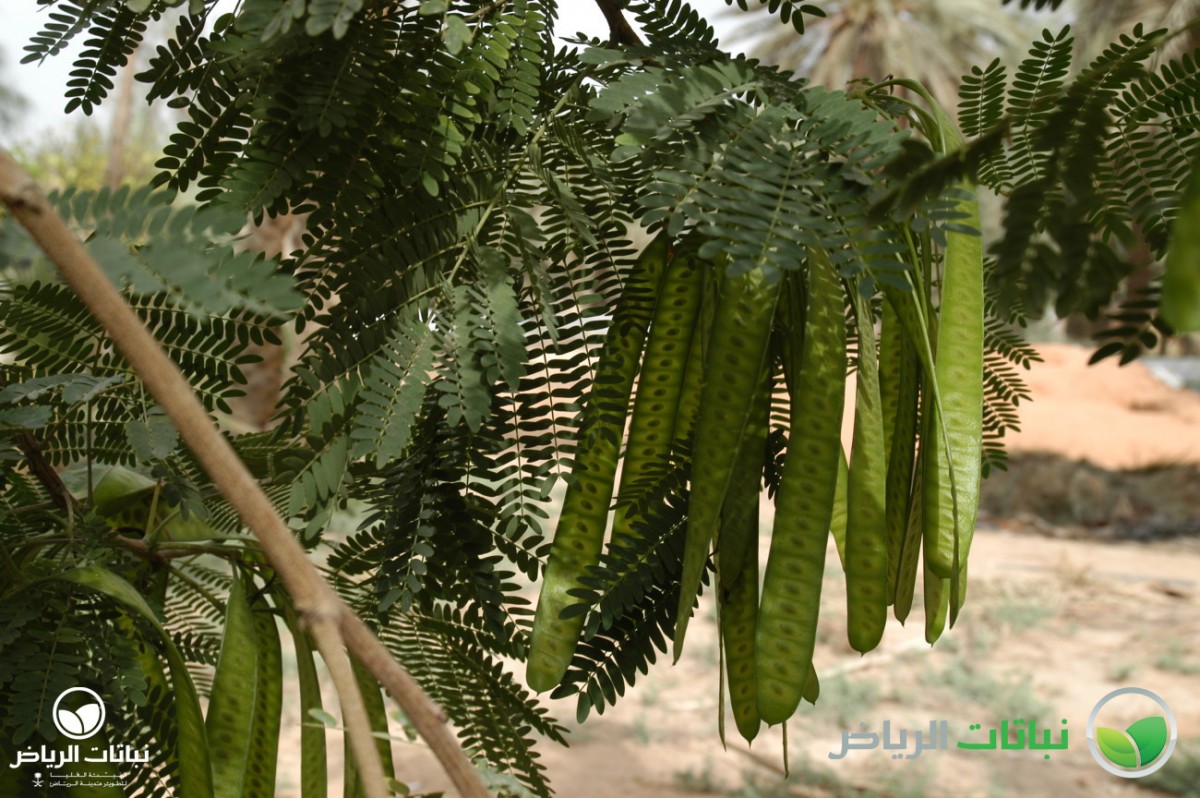
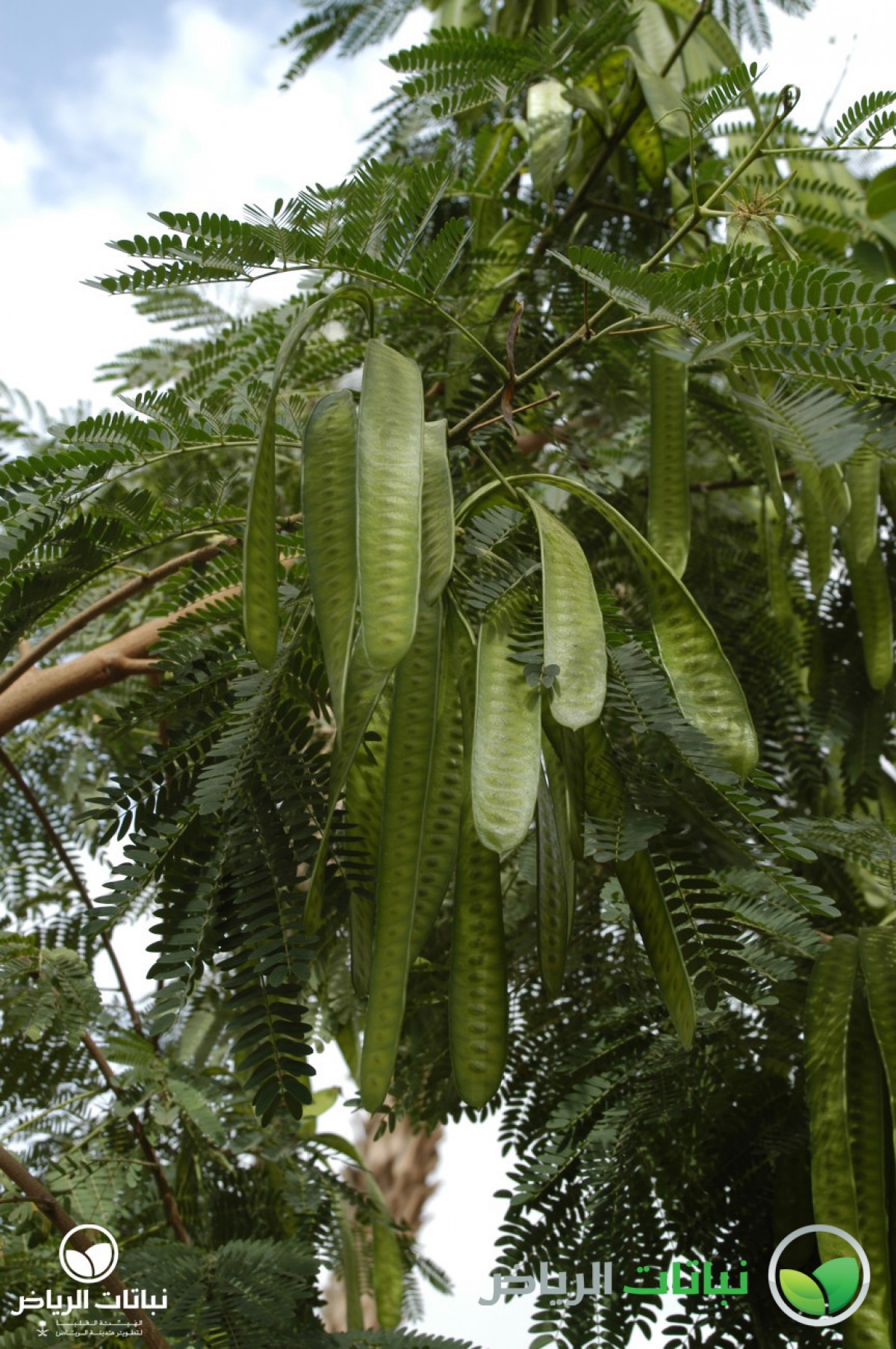
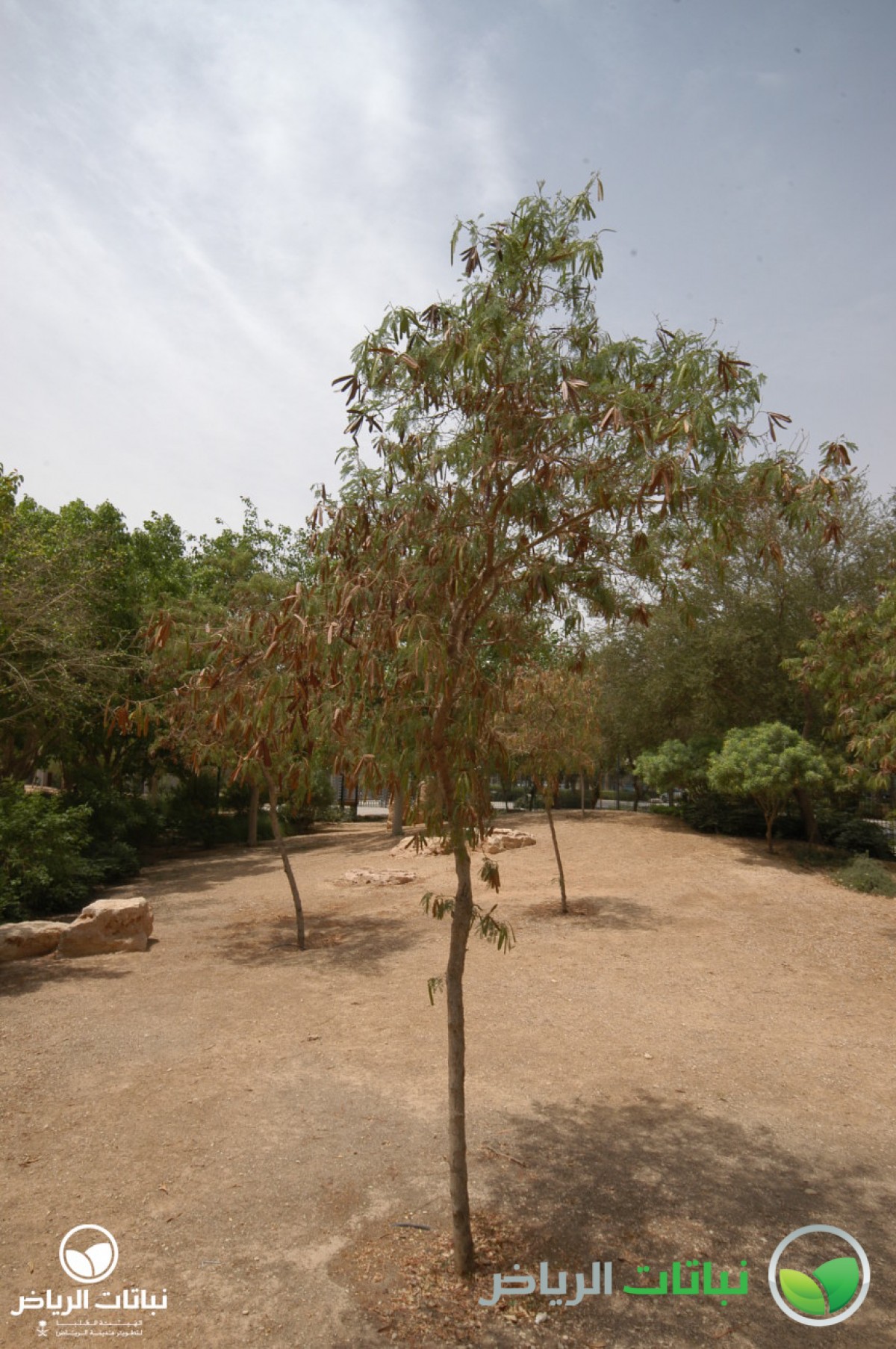
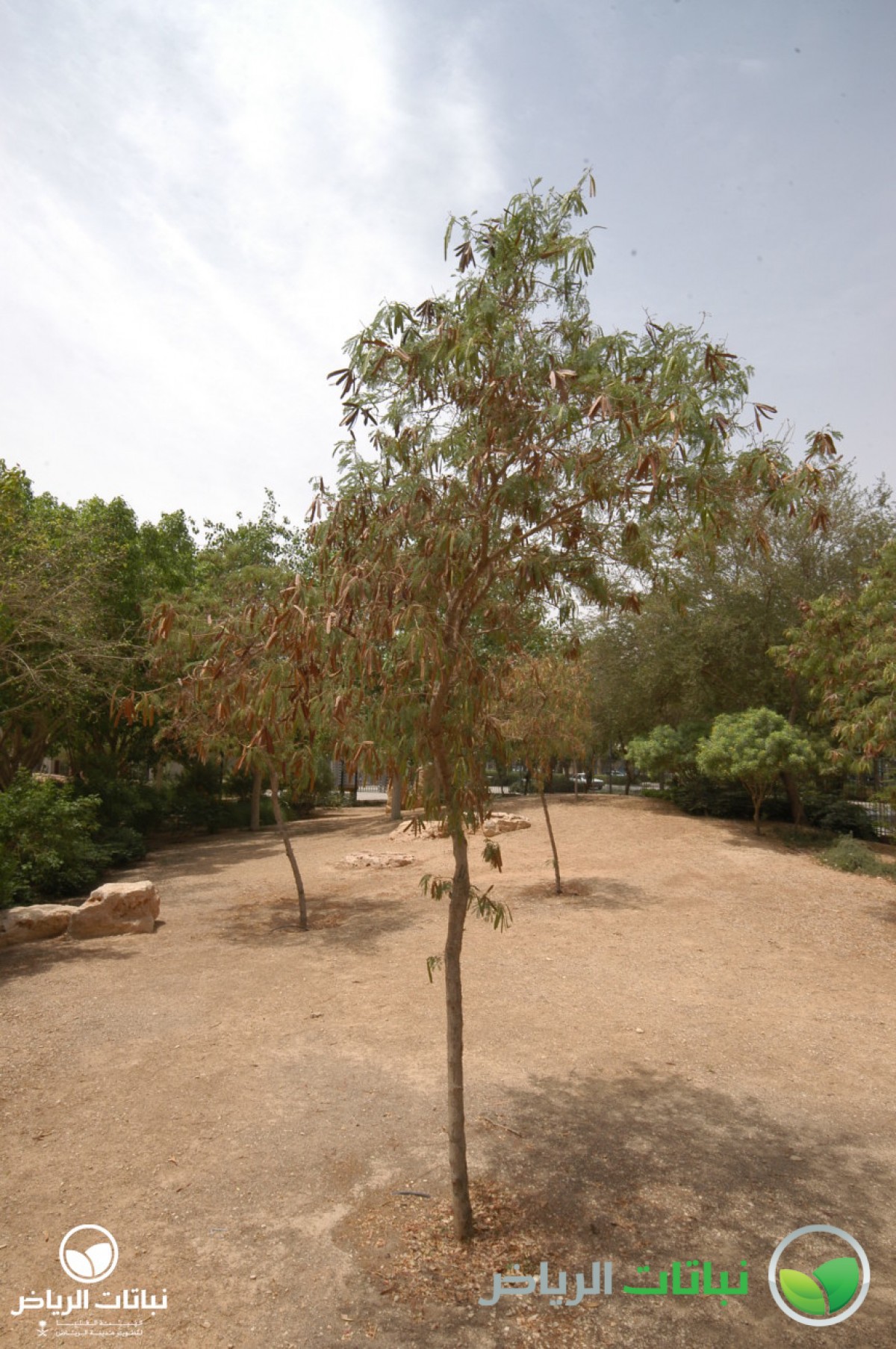
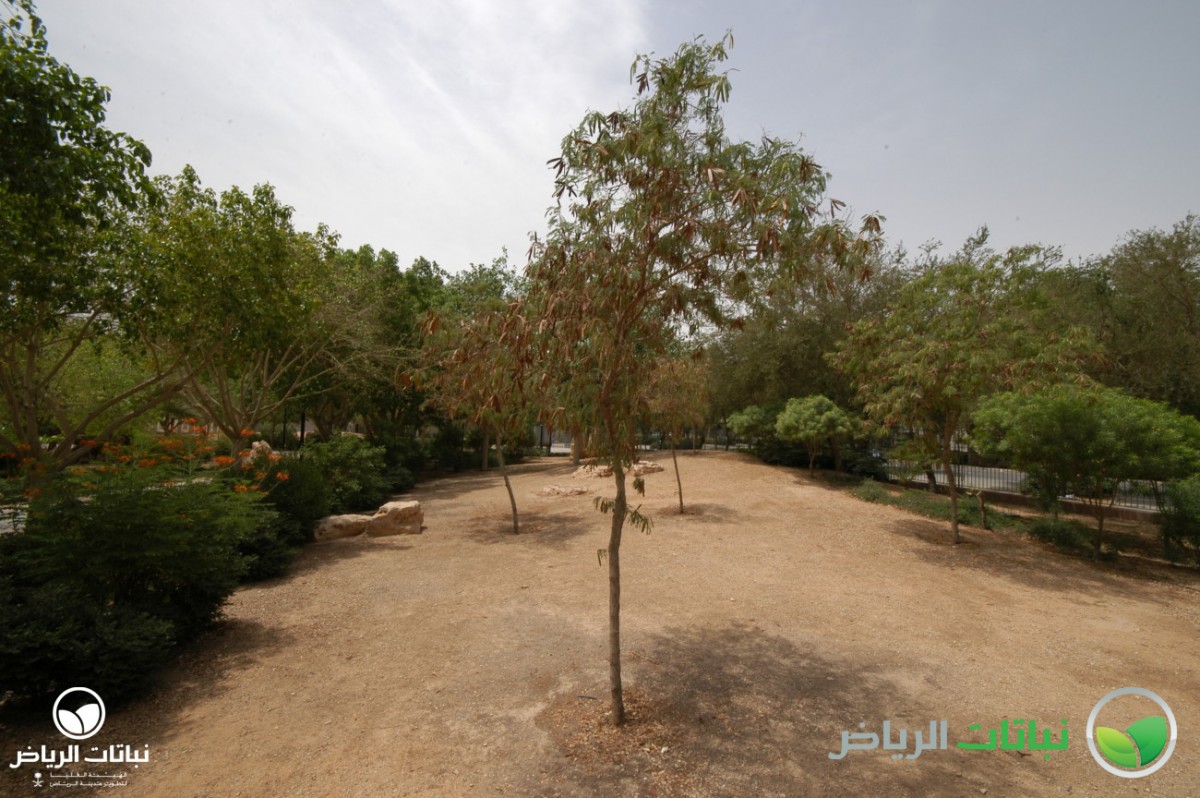
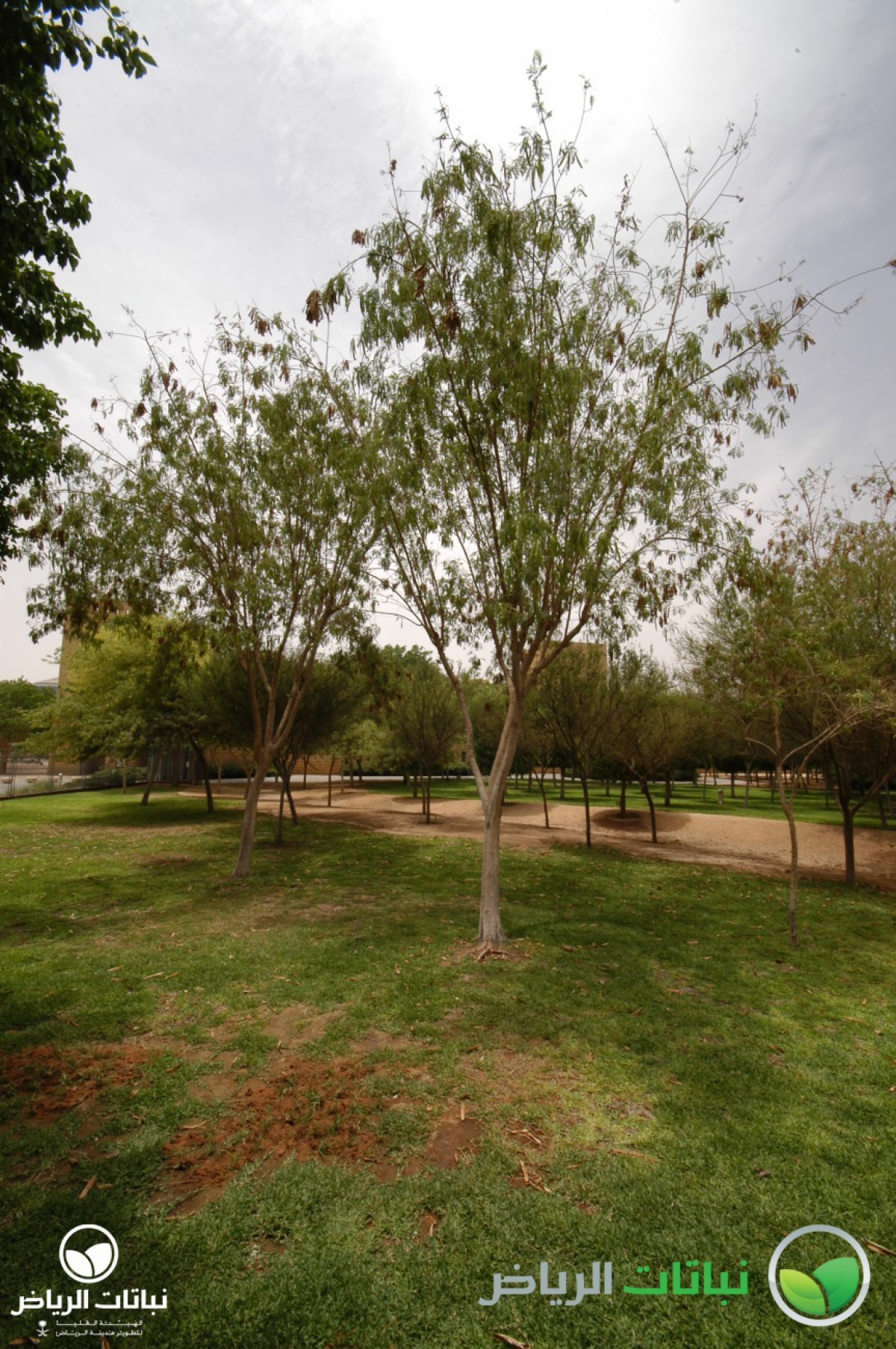
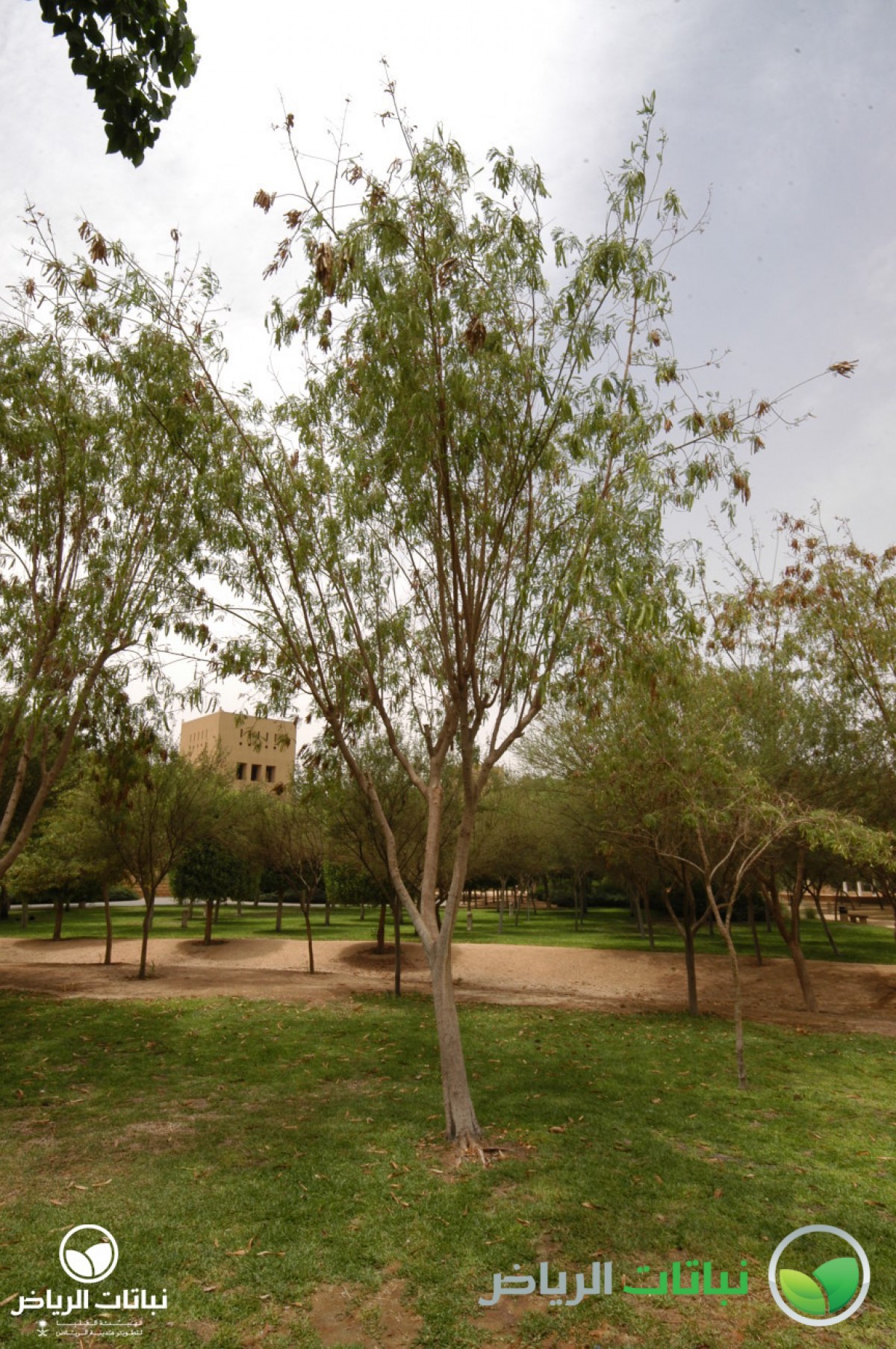
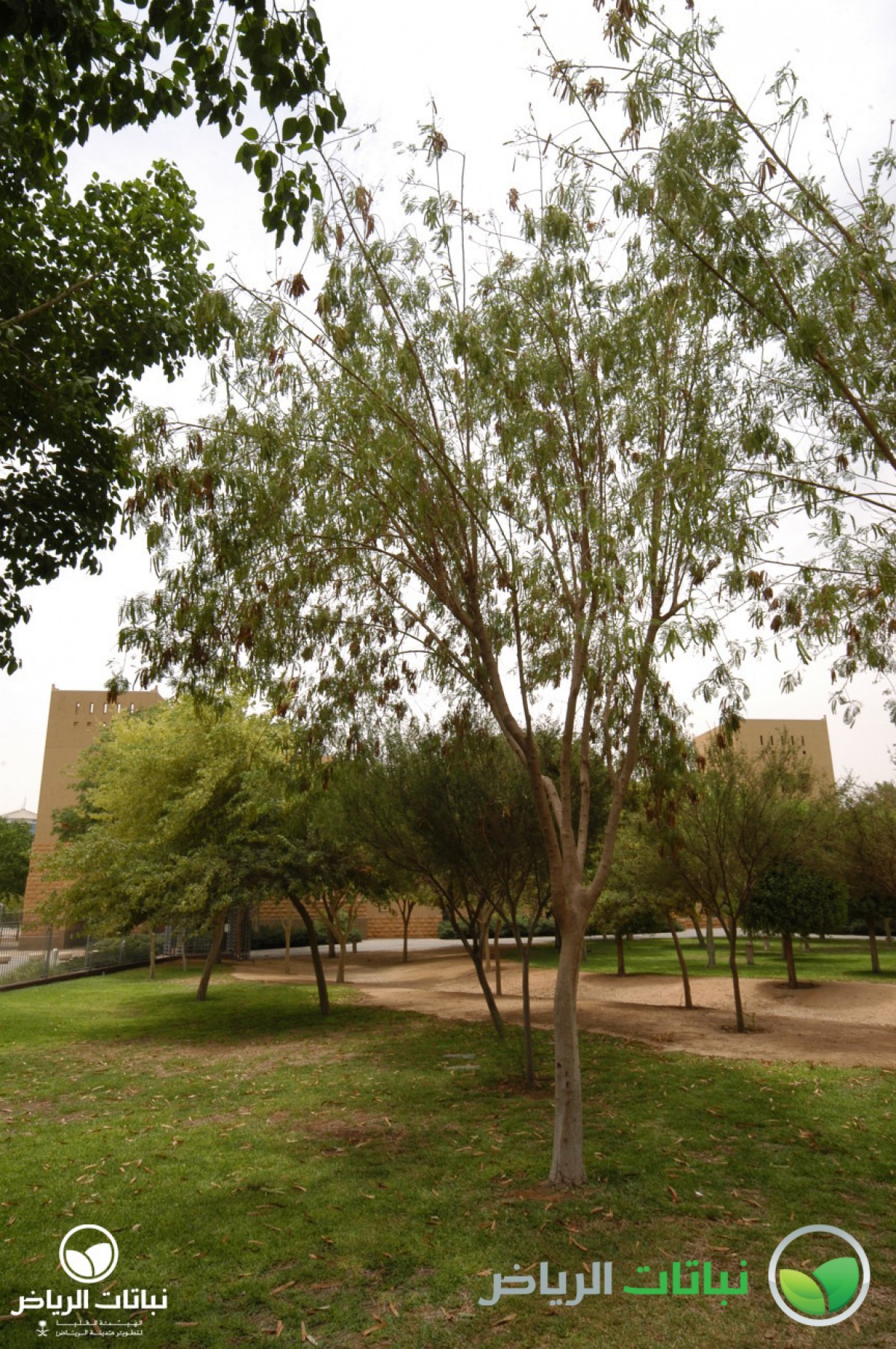
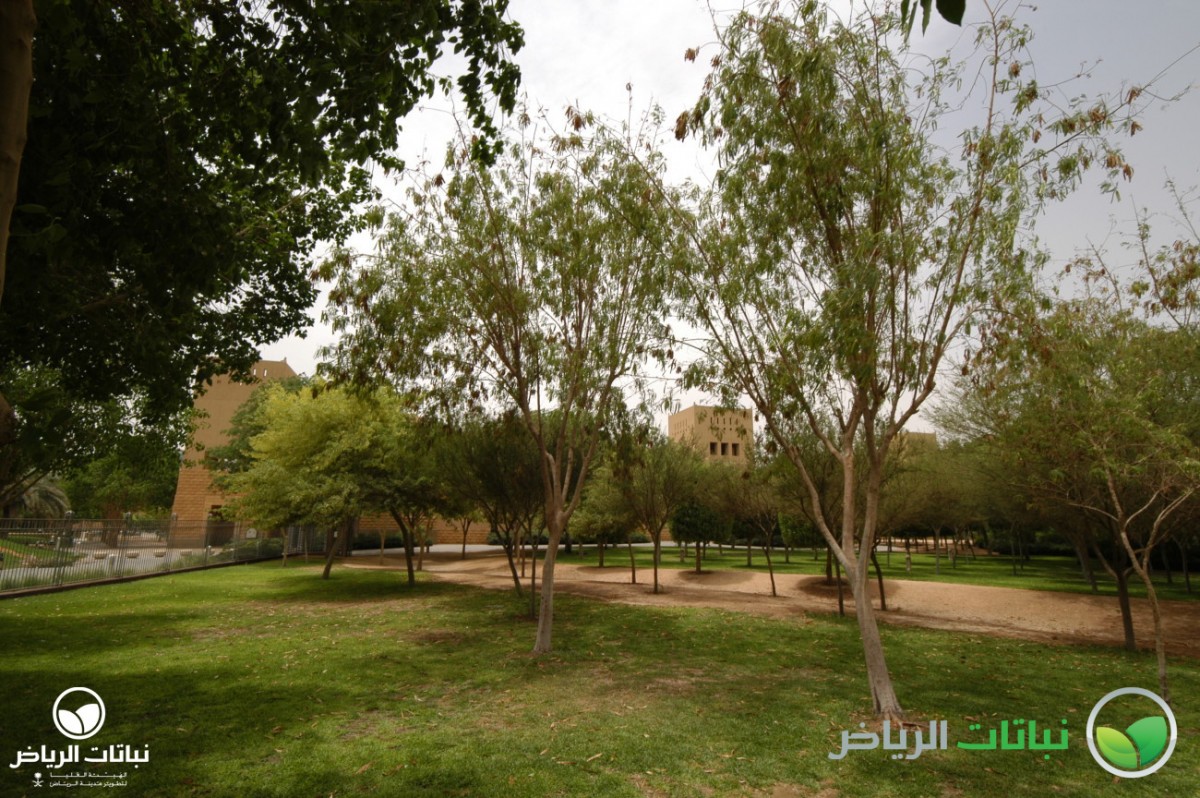
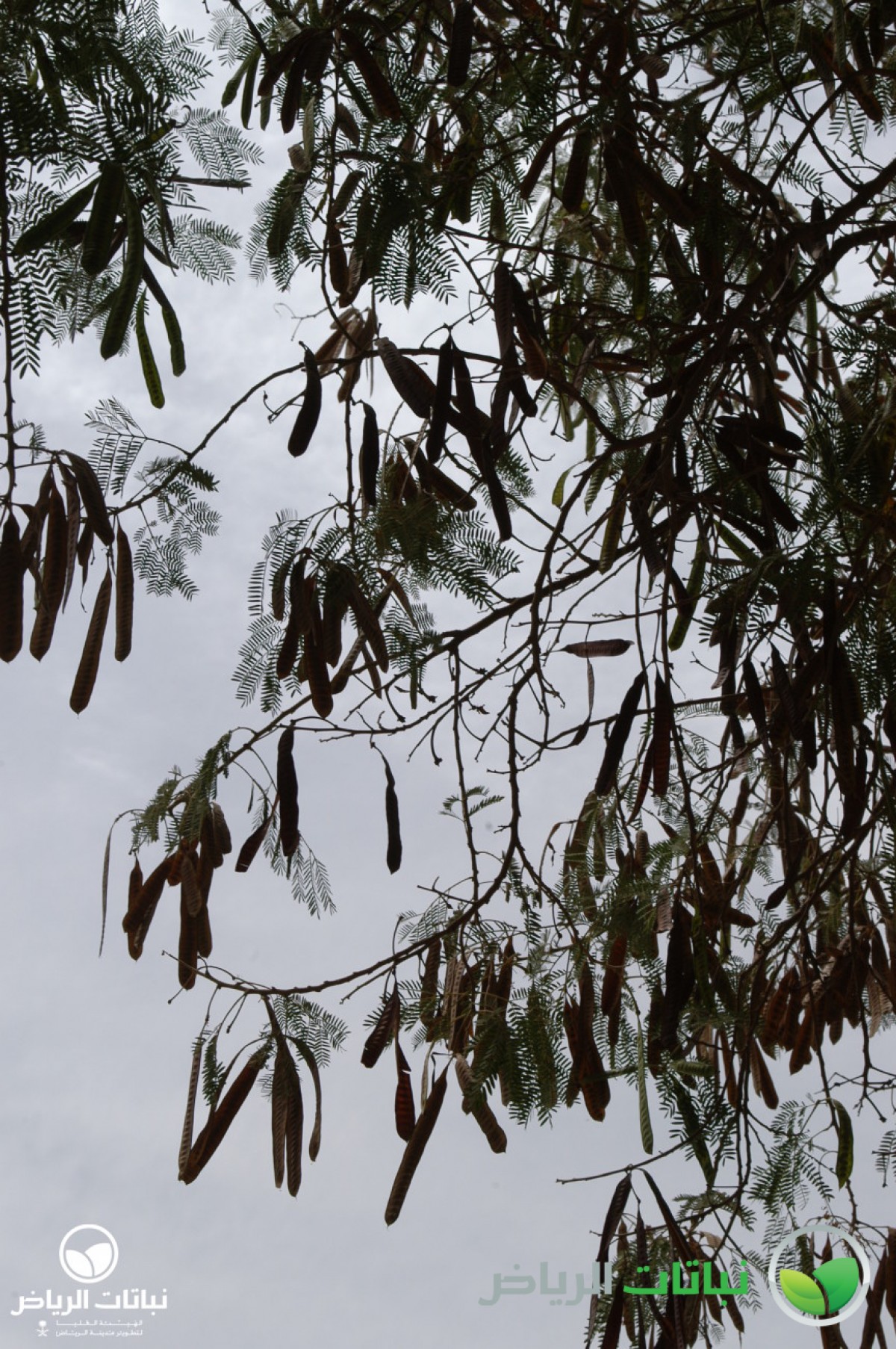
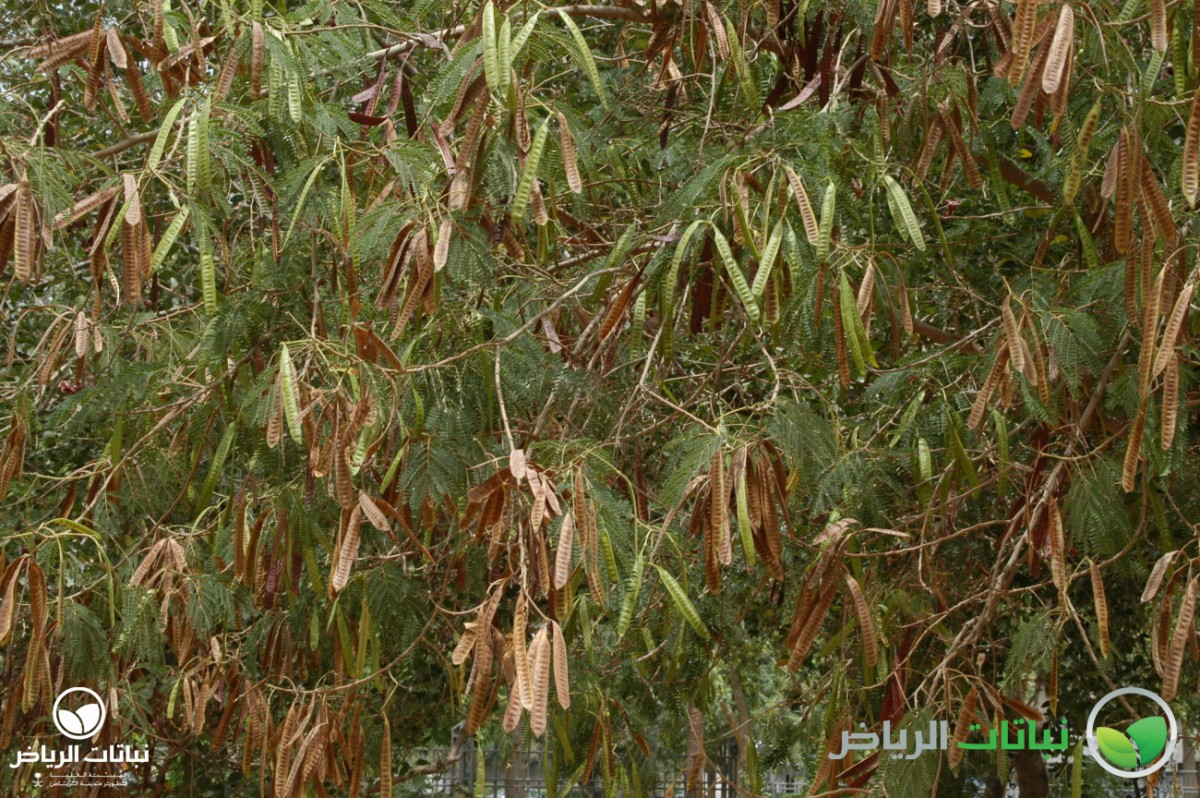
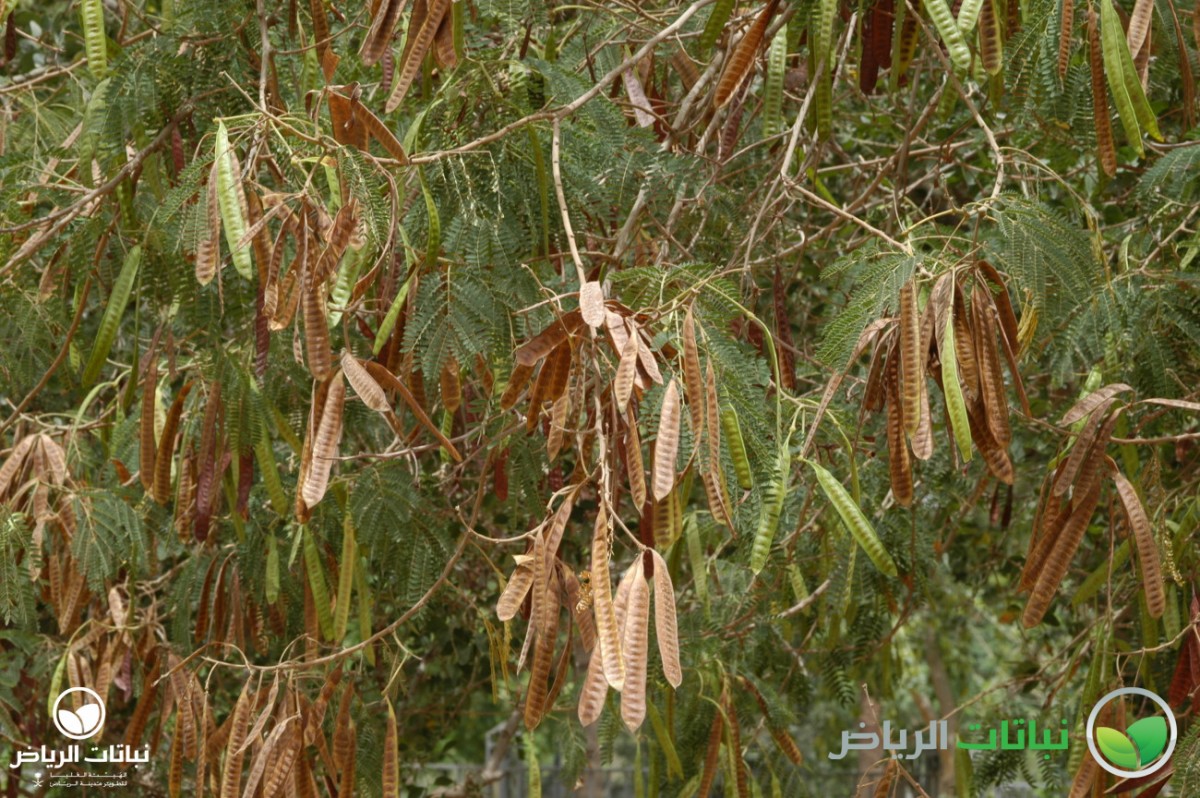
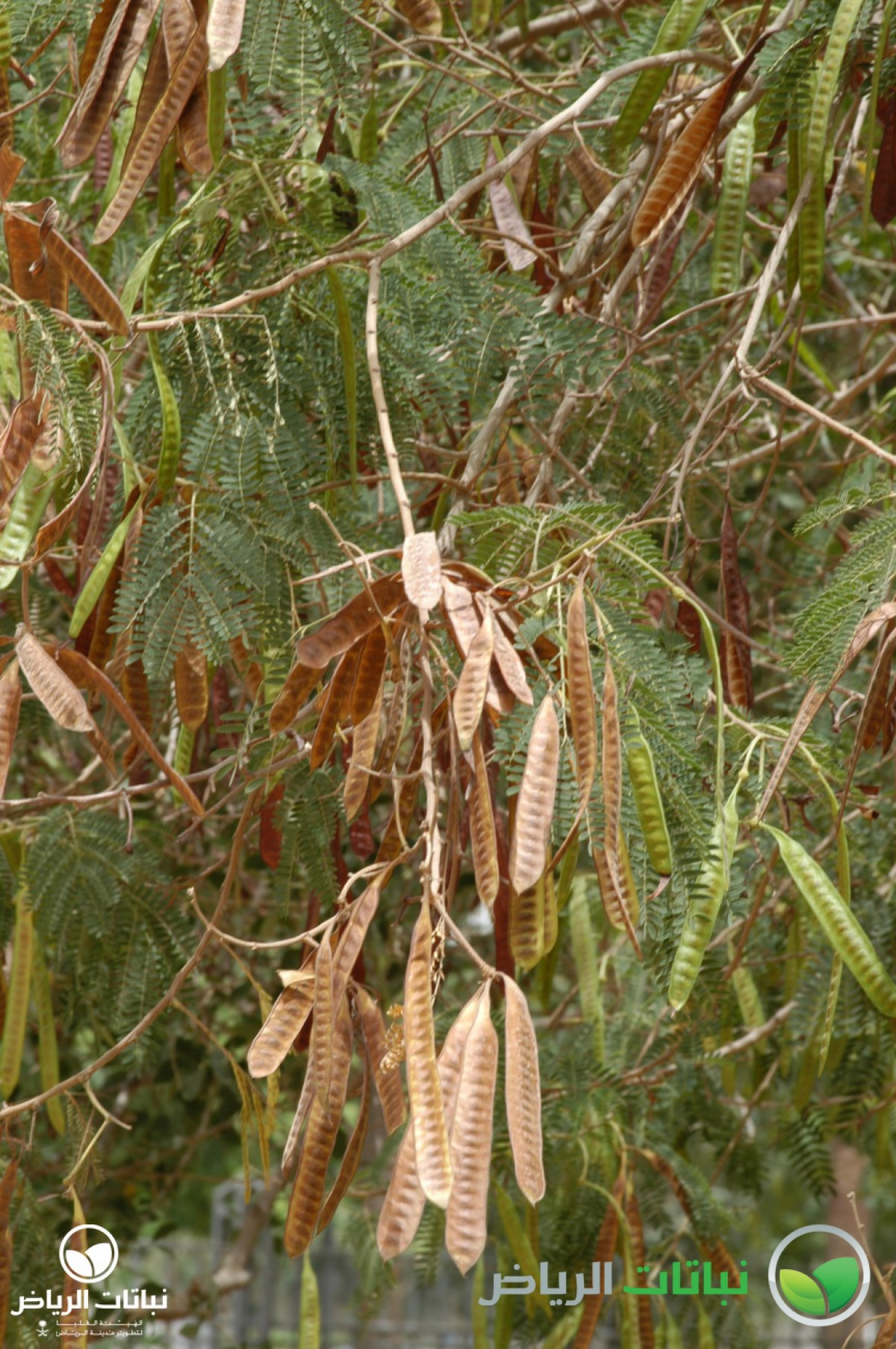
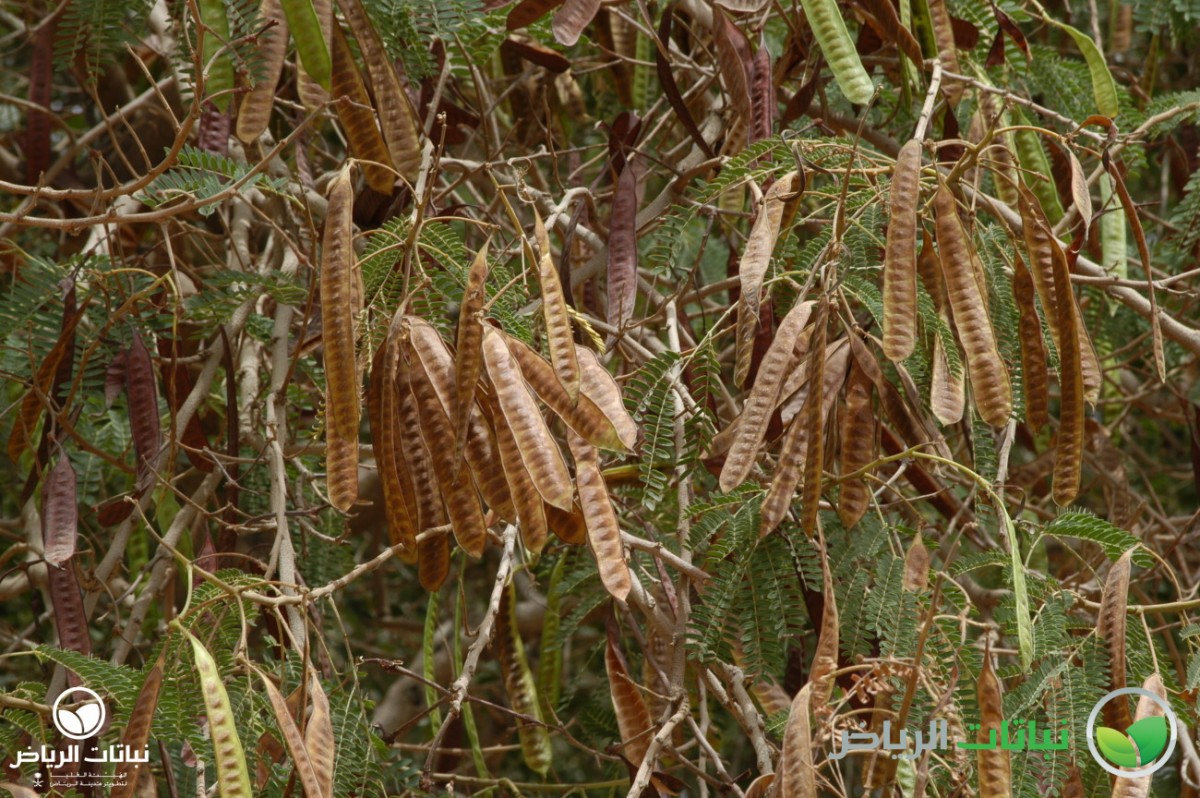
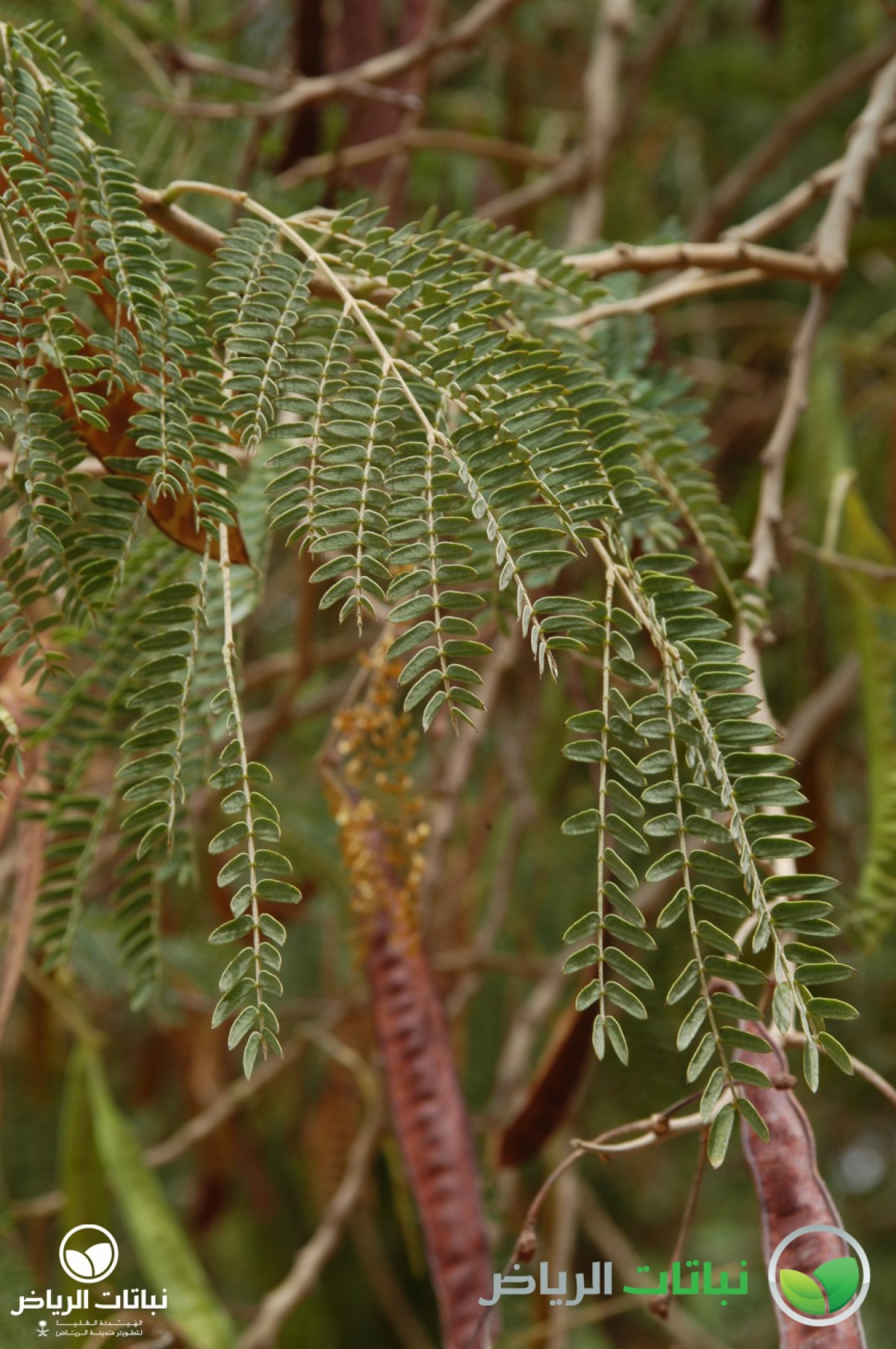
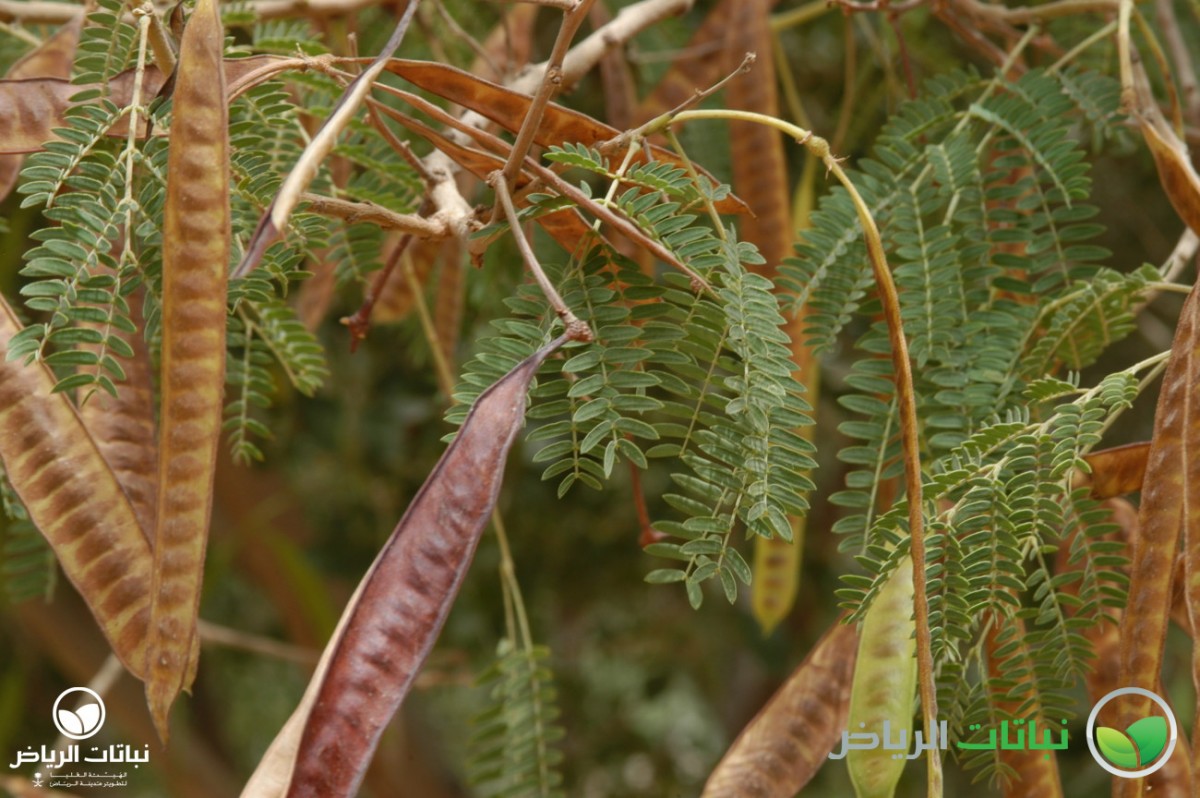
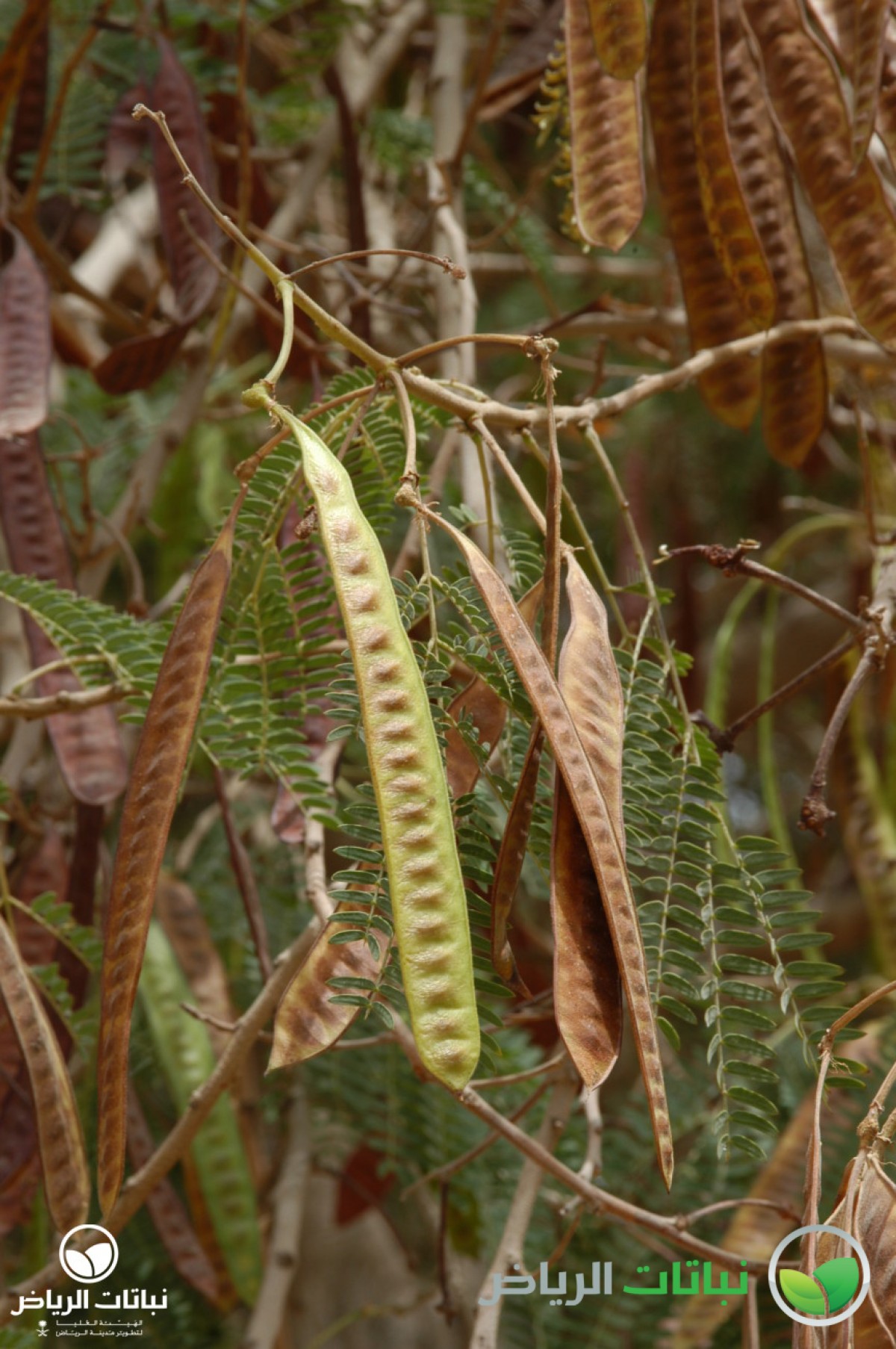
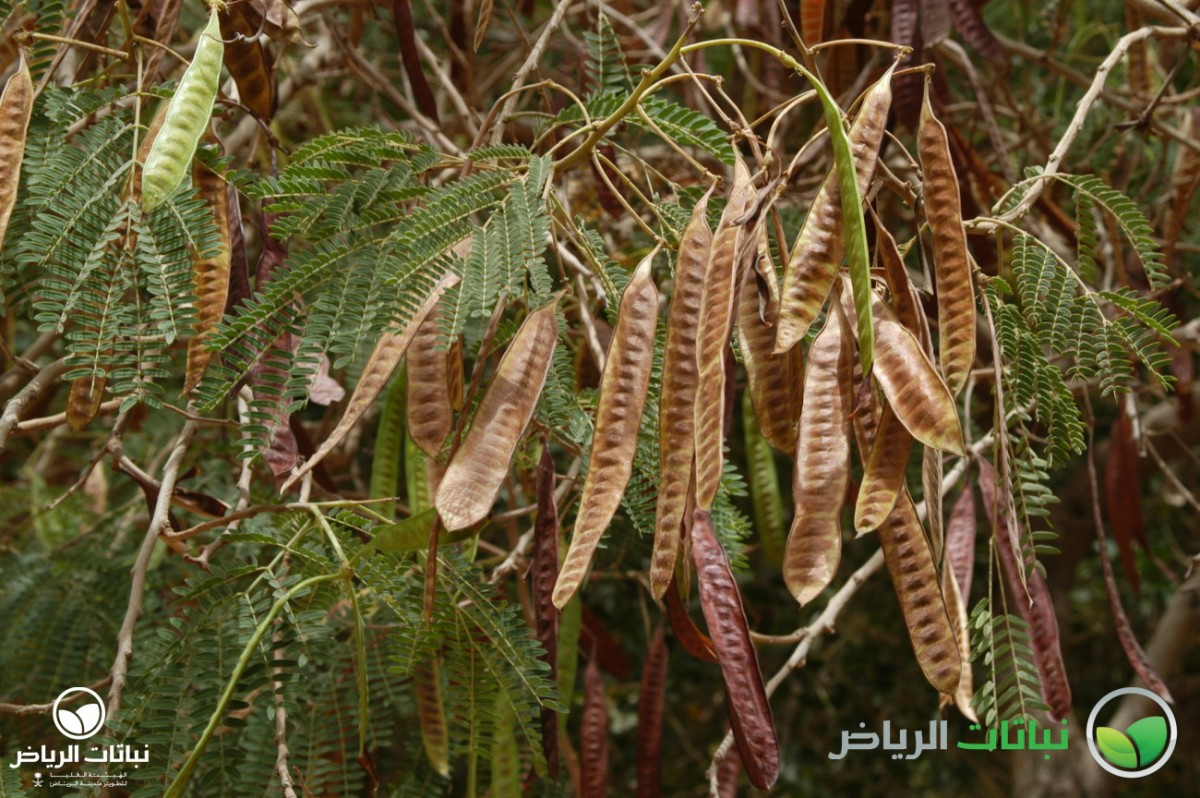
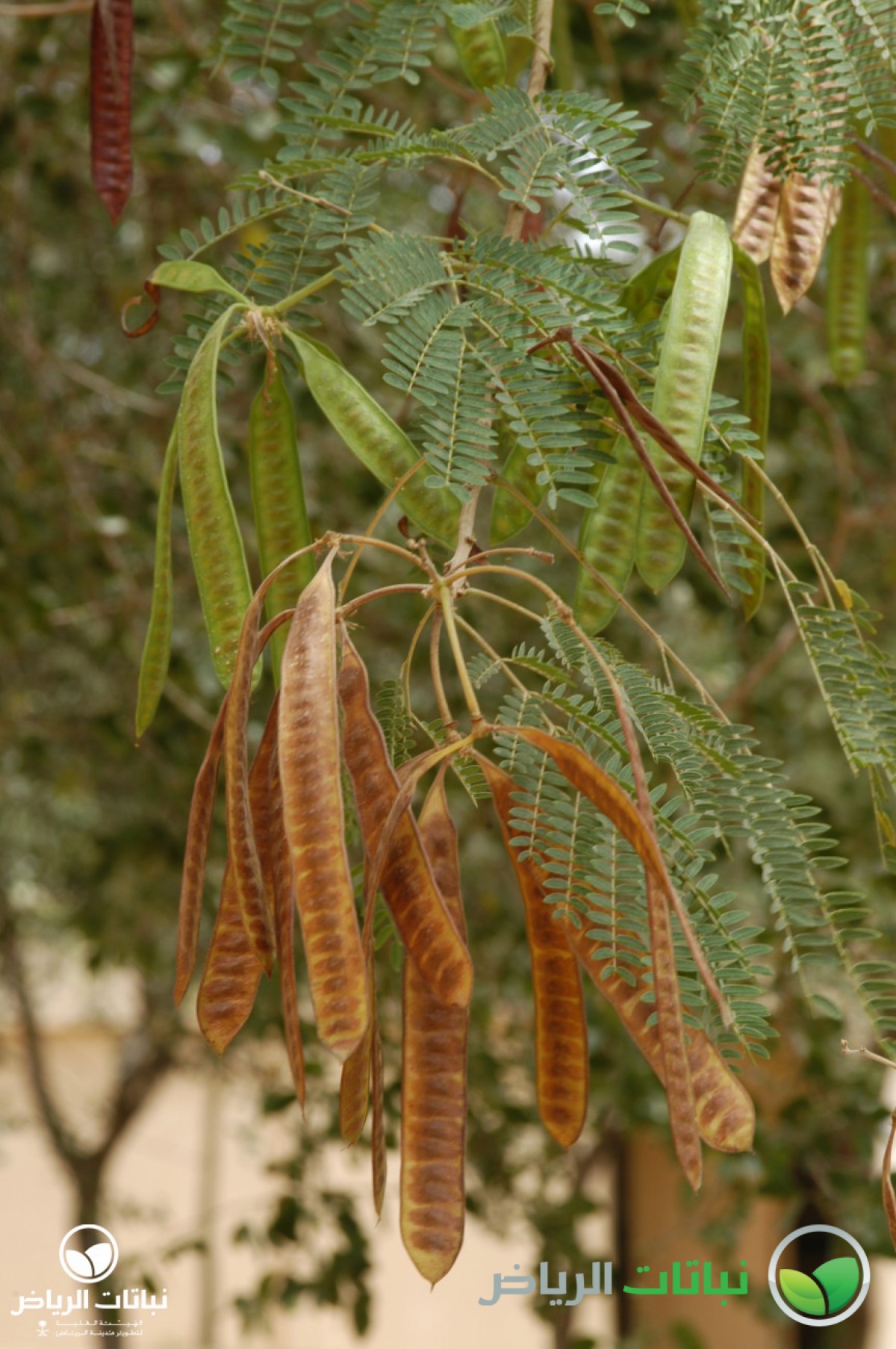
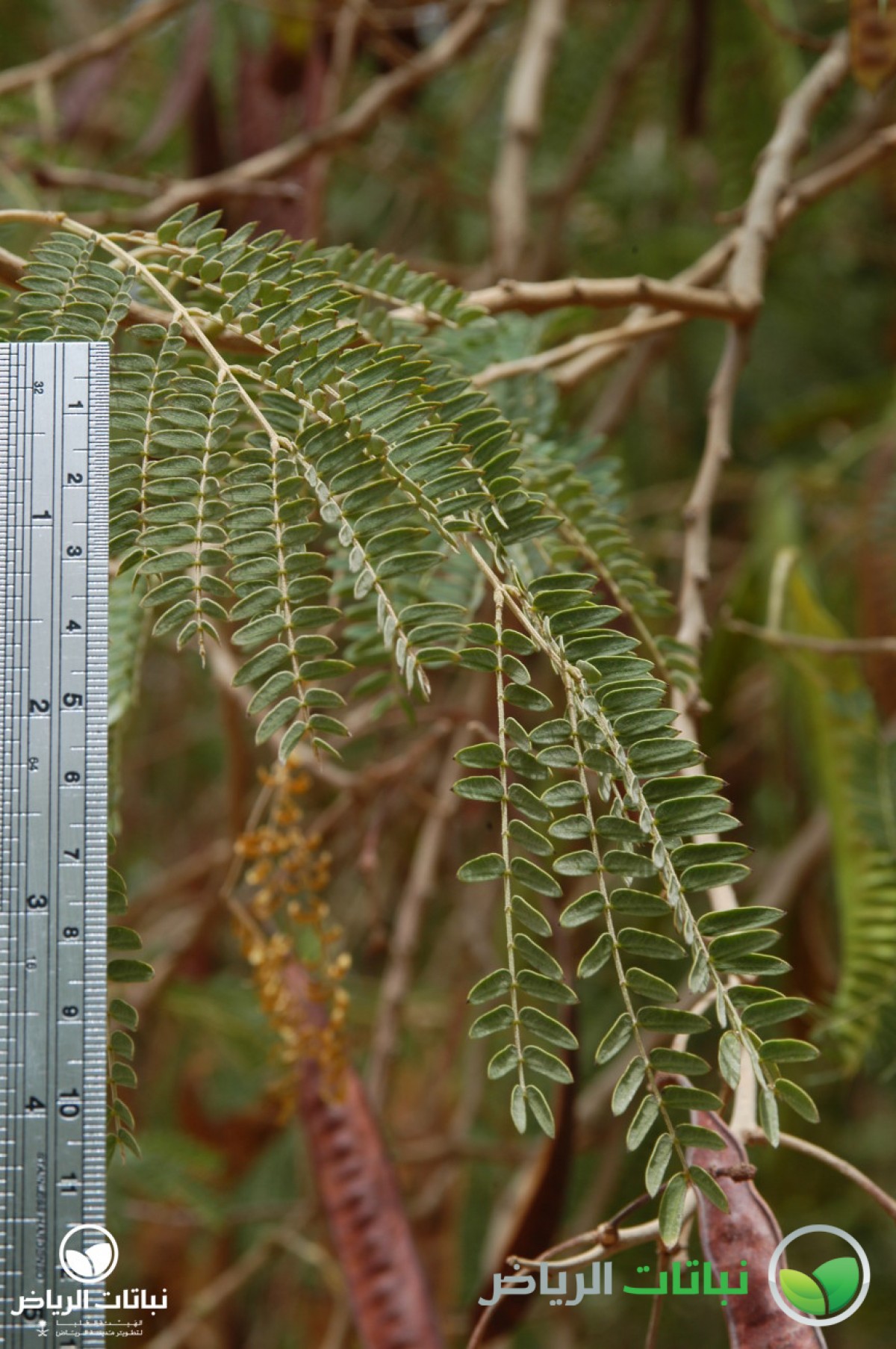
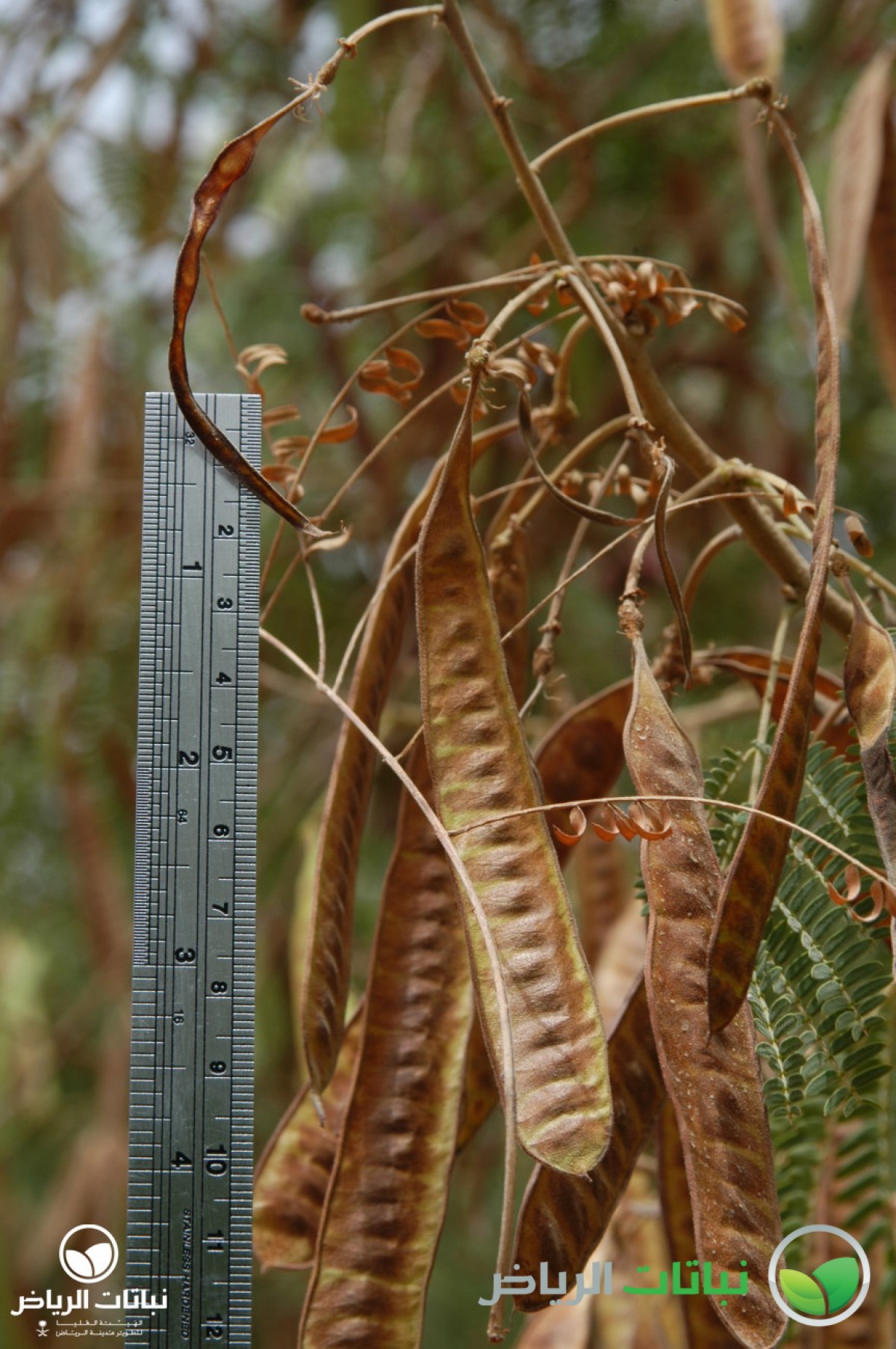
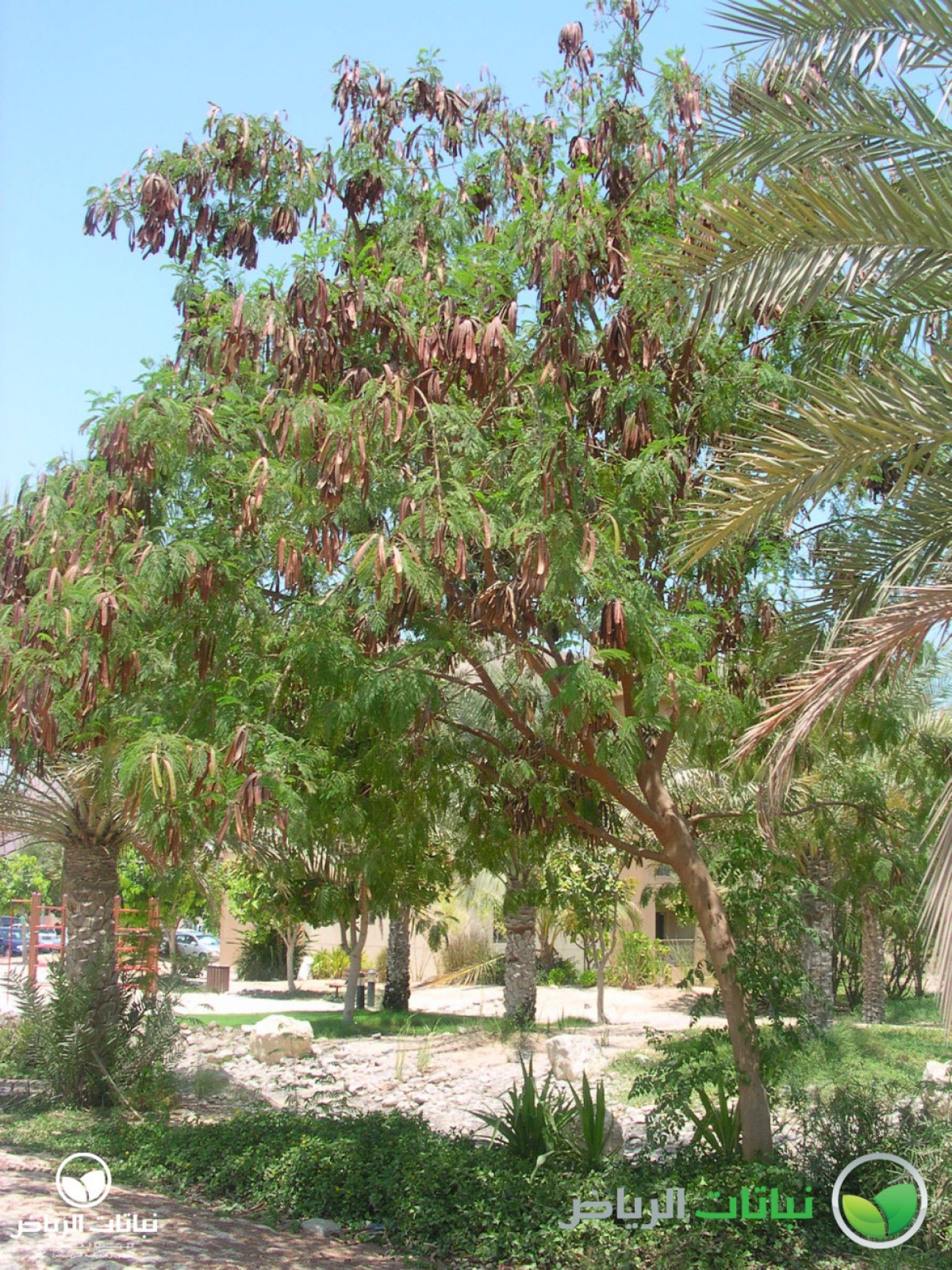
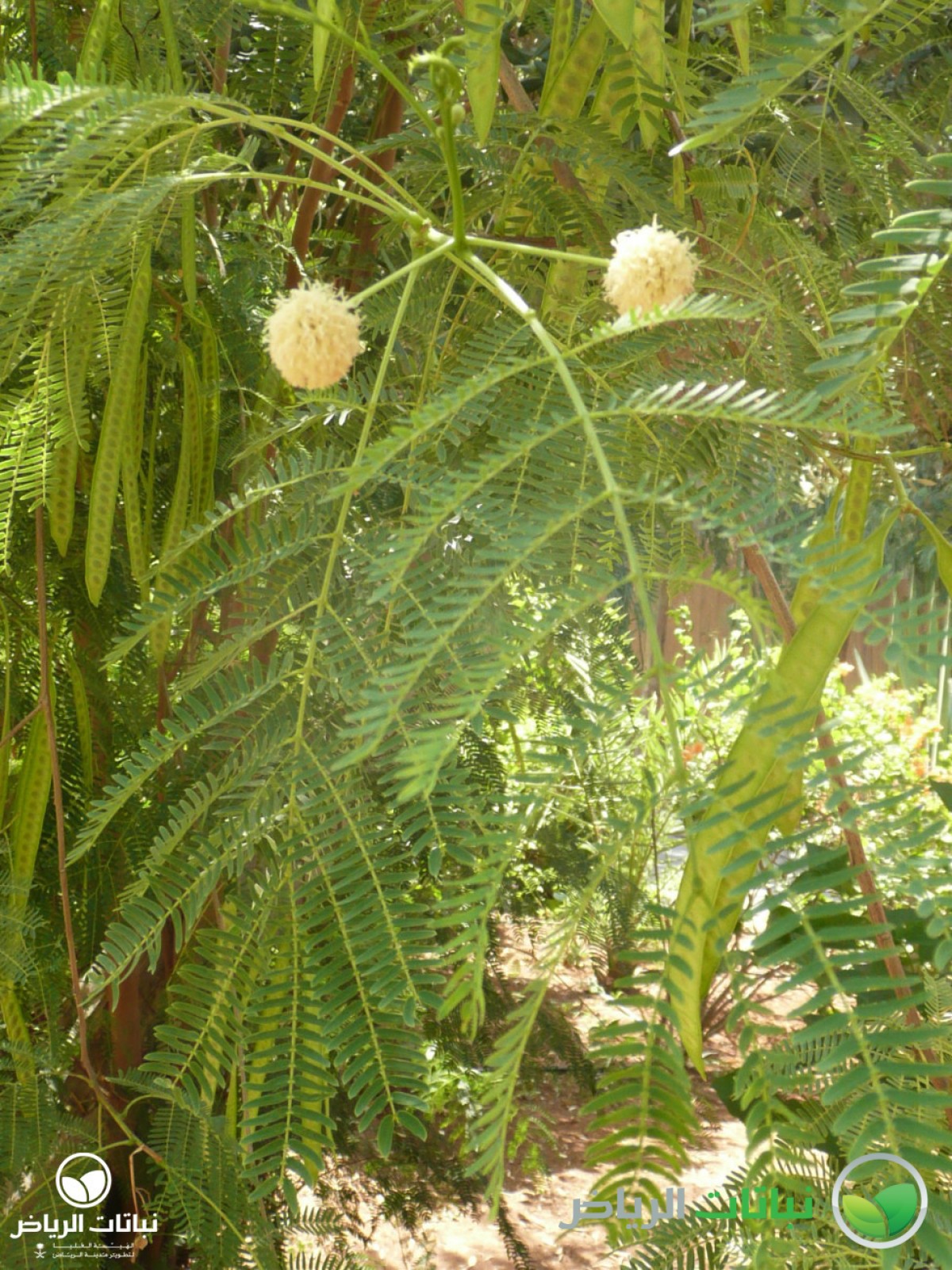
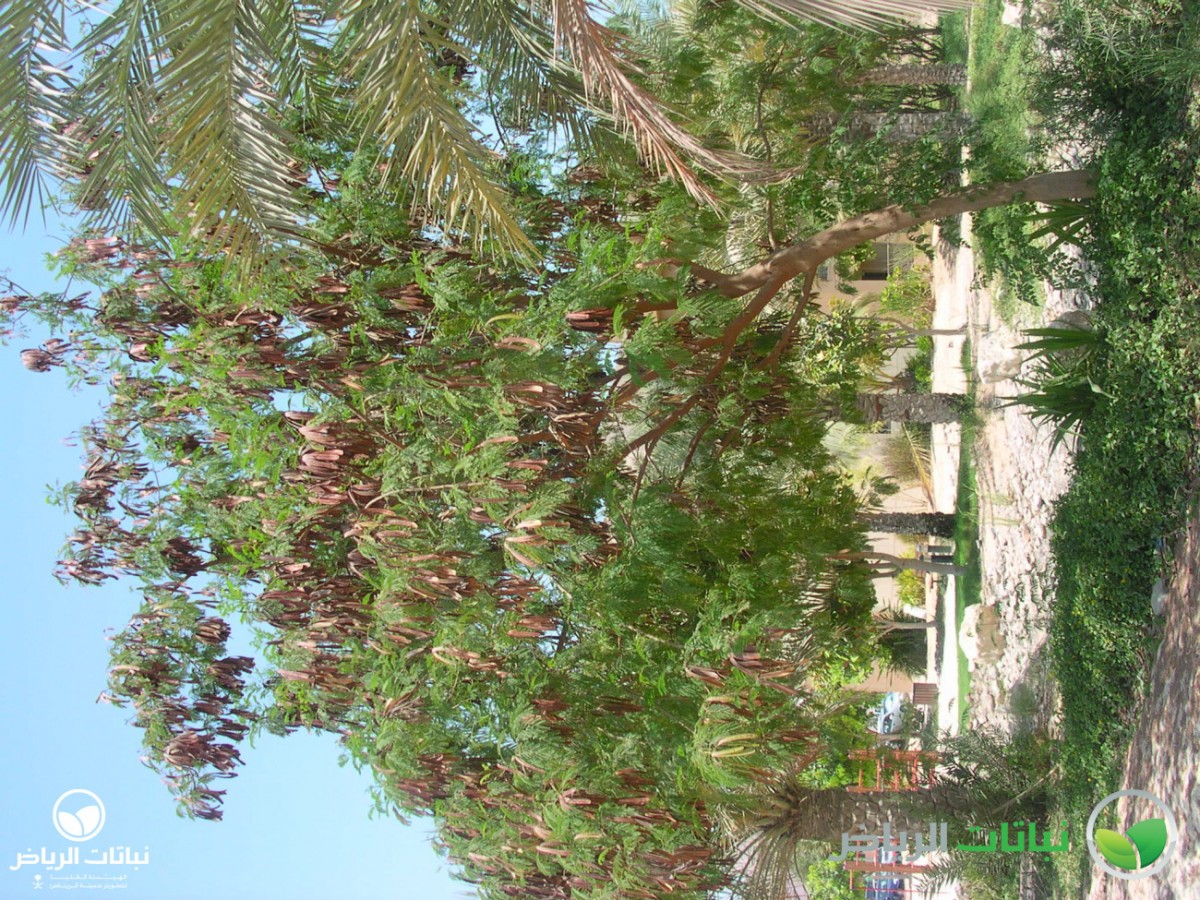
This is fast-growing tree, native to tropical America, which has become naturalised on all continents. In Arriyadh, too, it is now relatively common. Basically a weed, the habitats of which are watercourses, disturbed sites and often agricultural land, the Horse Tamarind is a small tree up to 10 metres tall with a slender trunk and rough, brown bark. It creates dense stands where conditions are favourable. The leaves are bright green, bipinnate and fine; the numerous white flowers, on long stalks, are like pin-cushions in spiky clusters. Trees are usually covered with the long, brown fruit pods, which can create a lot of litter and produce a multitude of seedlings. It is not frost-hardy and grows on most soils, though poorly on acid soil. It tolerates drought well, but needs irrigation until established. Trees are propagated by seed, which need scarification as well as cuttings. L. leucocephala responds well to fertiliser and soil liming. It is susceptible to insect infestations. At the end of the last century (CE), its use was heavily promoted as a shade plant on agricultural plantations, in land reclamation, erosion control, water conservation, reforestation and soil improvement programs. It is also used as a green manure crop (nitrogen fixation), for windbreaks and firebreaks. The Horse Tamarind requires more maintenance than is usual for an arid region plant, including regular grooming to improve its appearance, pruning after frost damage and weeding to remove unwanted seedlings. It should be used sparingly.