Riyadh Plants
Arjuna Tree
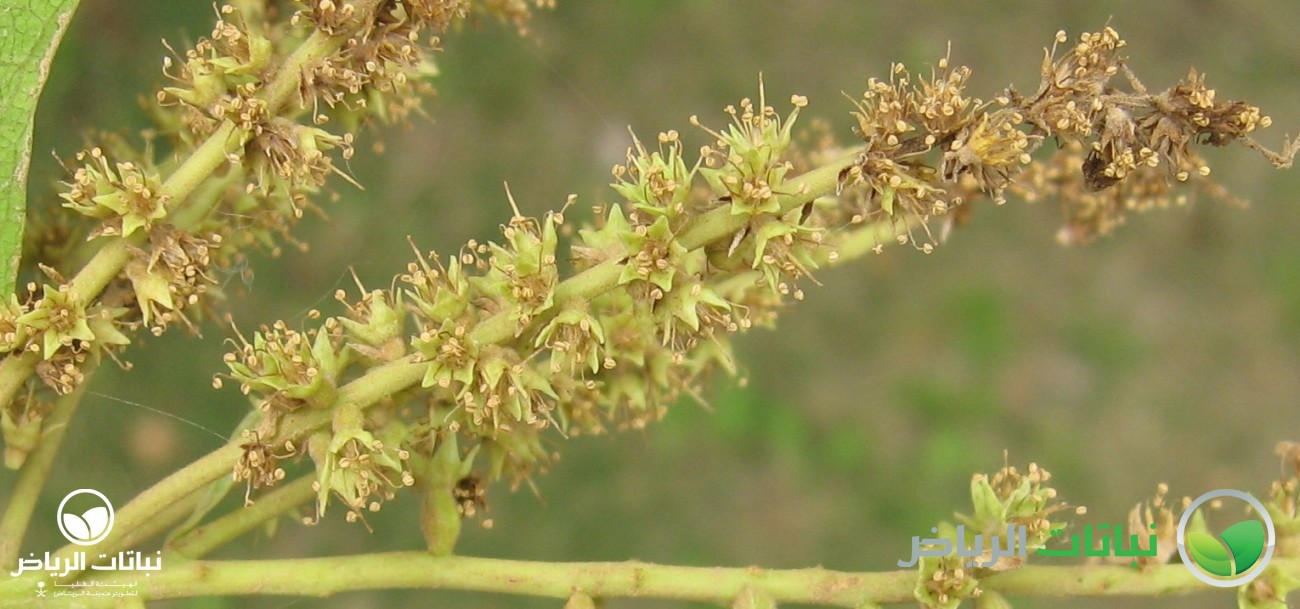
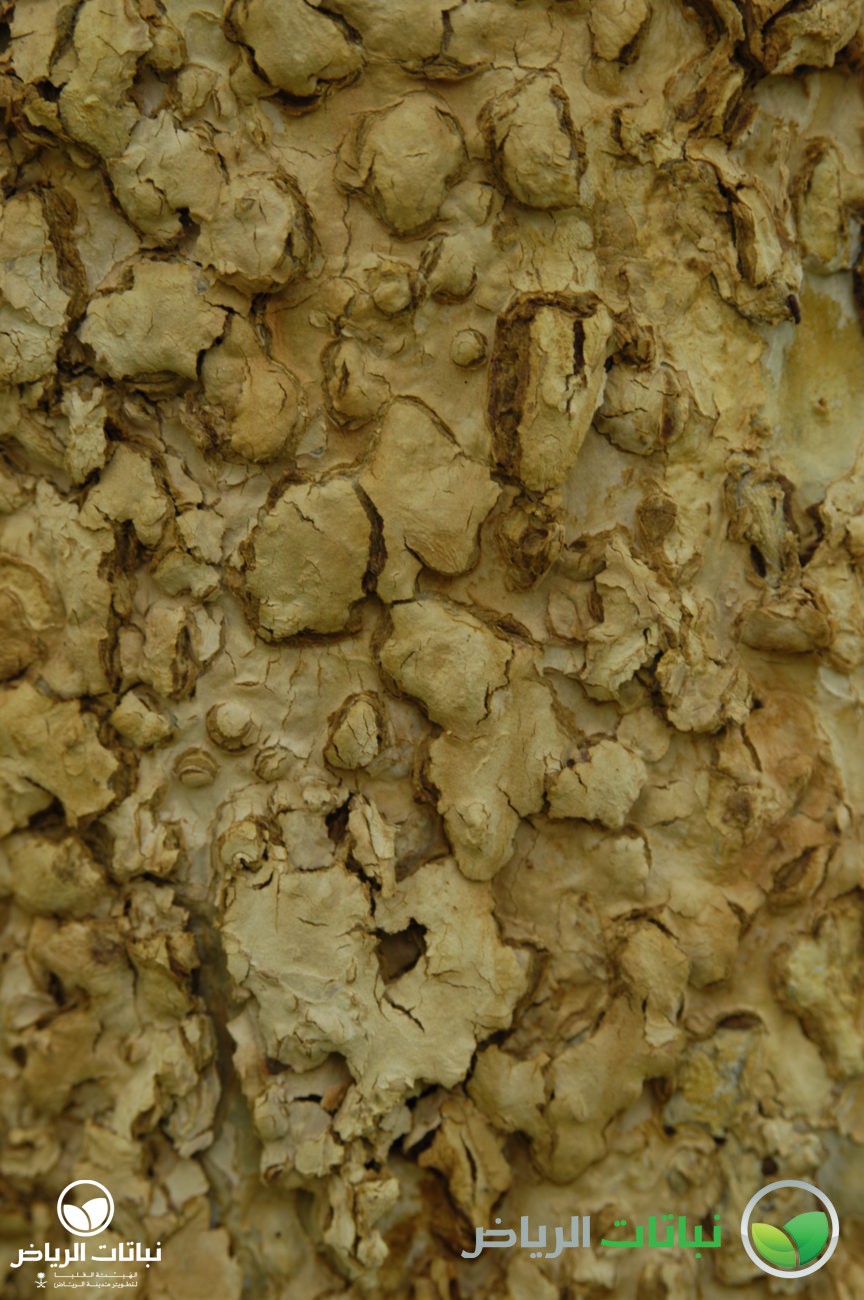
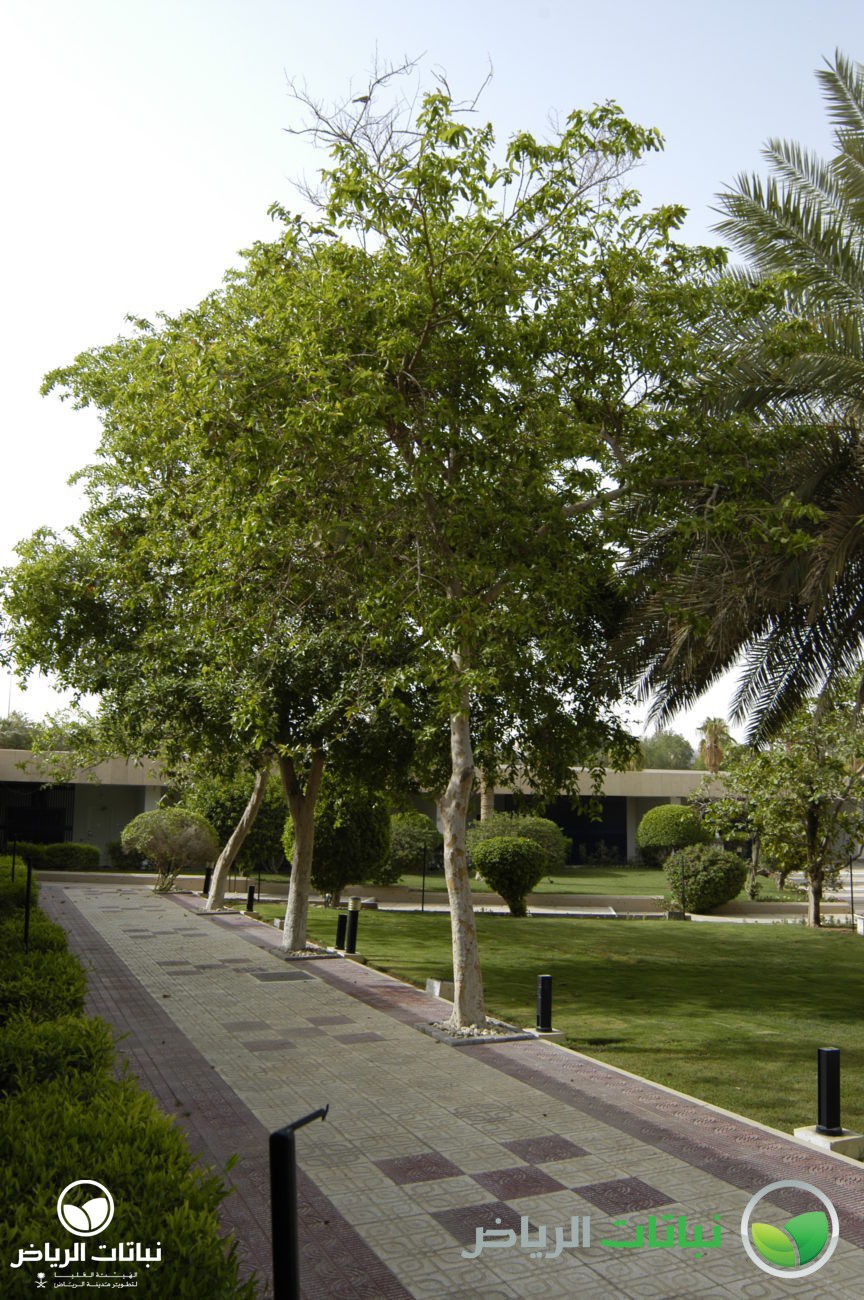
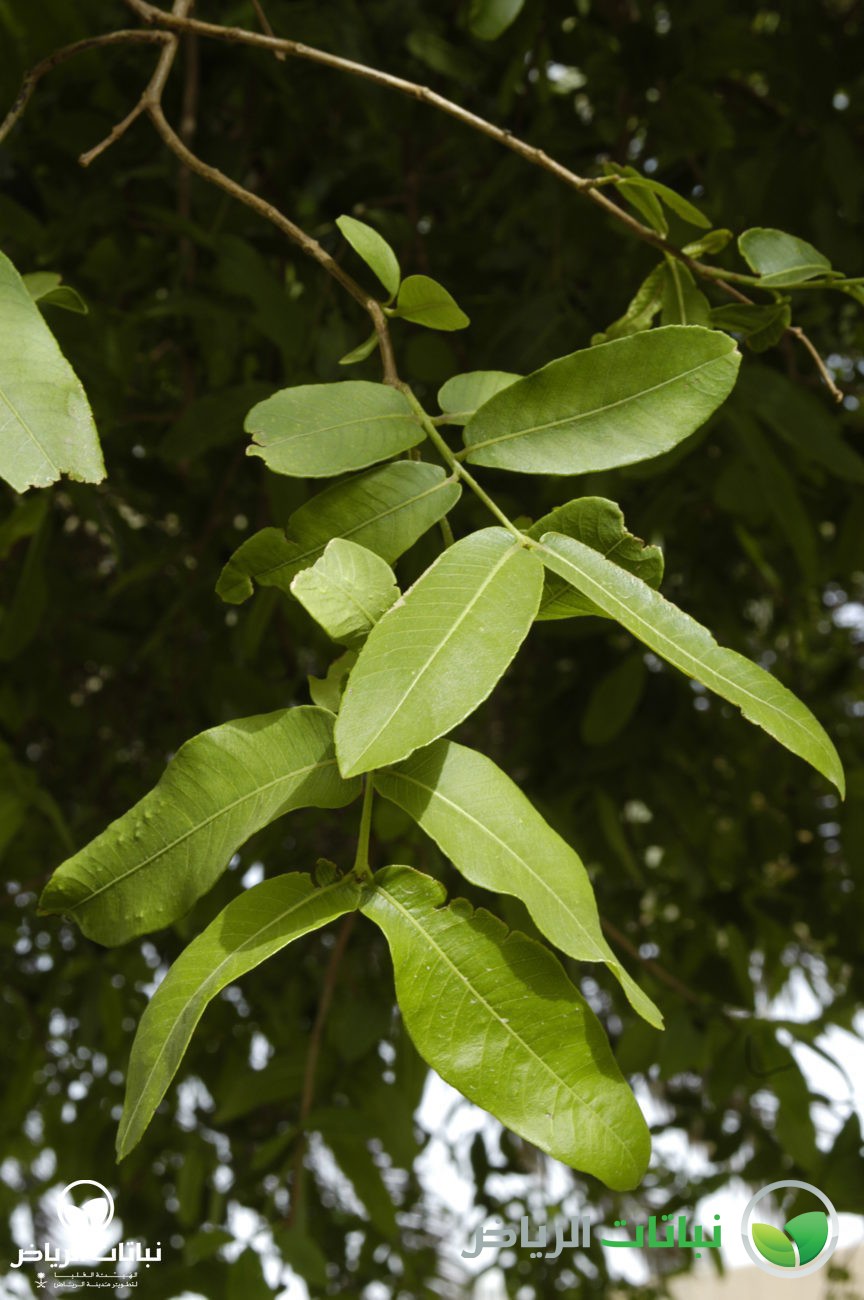
The Arjuna Tree, native to India, is a tall, deciduous, tree up to 25 m high, often with a buttressed trunk, the bark of which is grey or pinkish-green, smooth and peels off in thin strips. Found growing in several locations in Arriyadh (e.g. behind the Hotels Intercontinental and Khozama), it is not readily identifiable for most people. It is also very similar to T. elliptica. Arjuna has a wide crown with drooping branches. Its leaves are hard, simple, opposite, and elliptical, up to 9 cm long, often with crenulated edges: trees are sometimes leafless before late-spring flowering and new leaves appear in late winter. The small, cup-shaped, creamy or greenish-white and strongly fragrant flowers are borne on small terminal spikes up to 13 cm long. The dark brown, oblong, woody fruits with stiff, narrow, striated wings take nearly a year to ripen. Initially a slow-growing tree, the Arjuna has a shallow root system. In its native habitat, T. arjuna grows on most soils in ravines or in dry watercourses, becoming very tall on fertile alluvial loam. Tolerant to salinity and drought, regular irrigation is, however, required in Arriyadh. It will withstand cold winters, but is sensitive to hard frosts. Propagation is by seed, root suckers, and air-layering. T. arjuna is suitable for planting on saline, alkaline soils and deep ravines, and is a useful park tree and background tree in a large garden. Apart from tidying leaf litter and occasional deep watering to improve appearance, little maintenance is necessary.