Riyadh Plants
Singapore Plumeria, Lirio de la Costa, Temple Tree
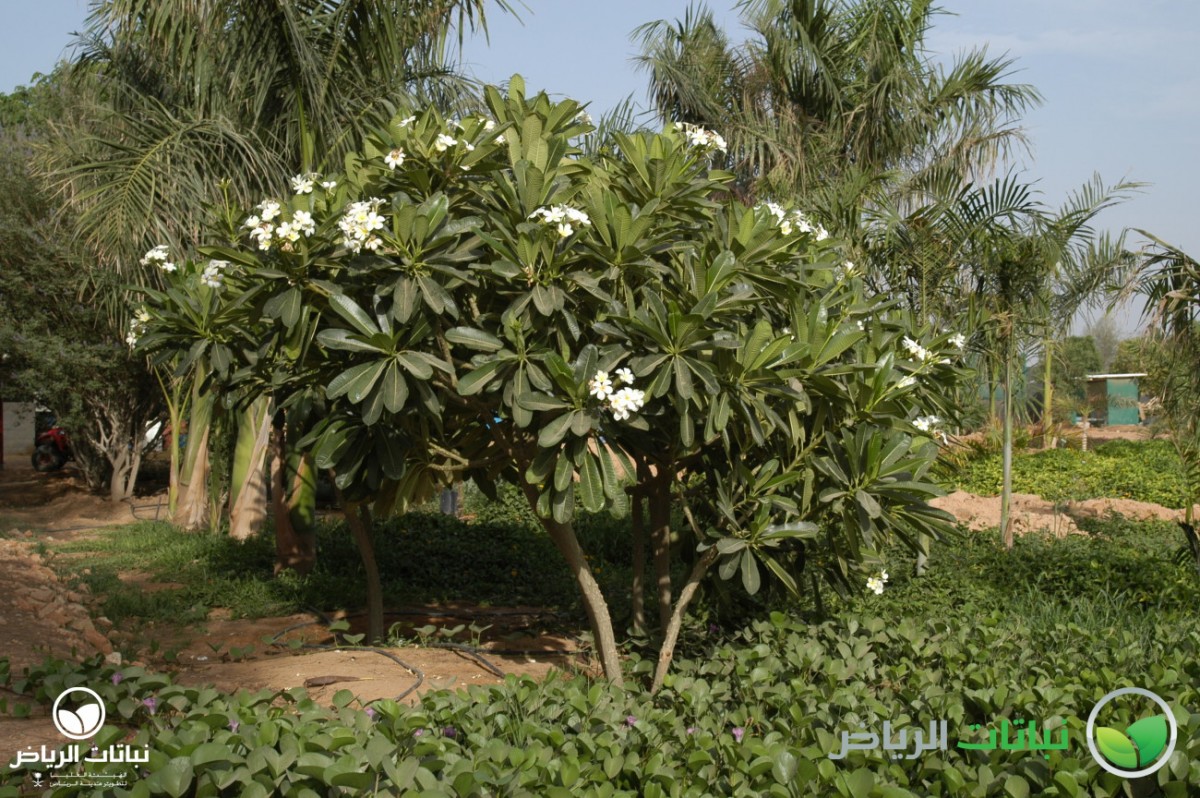
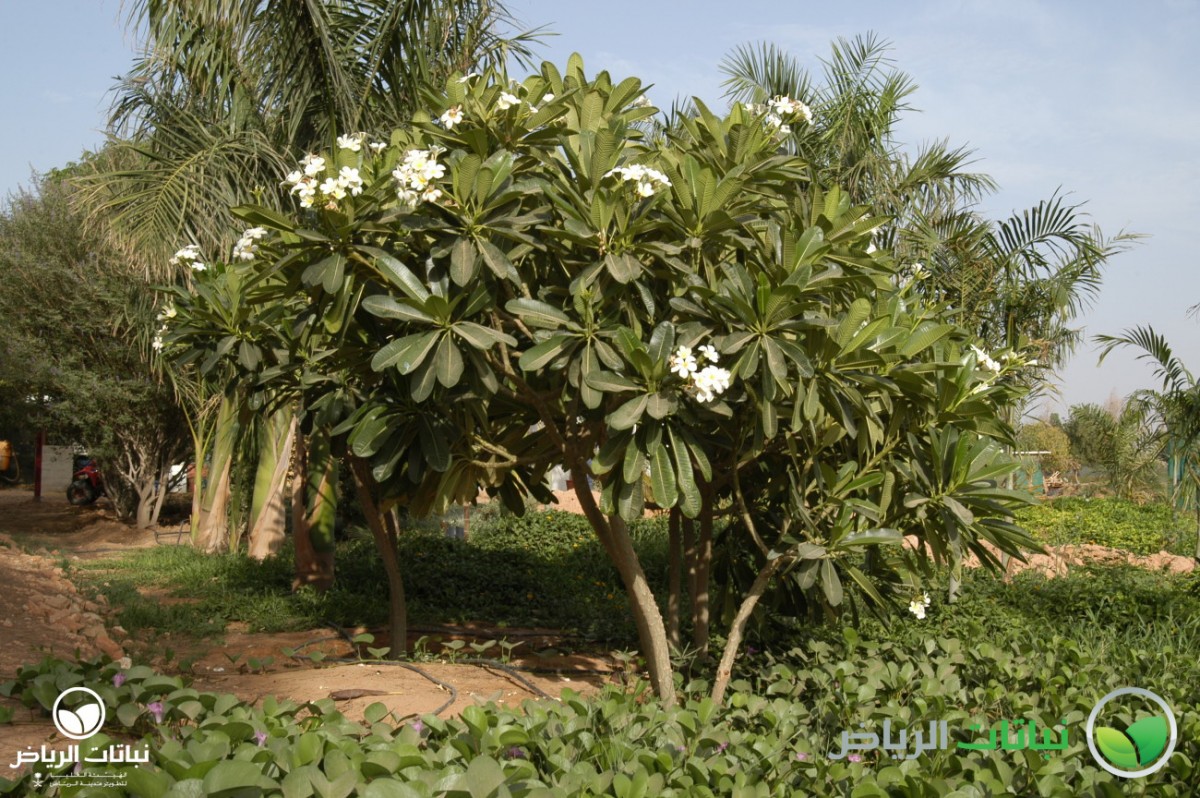
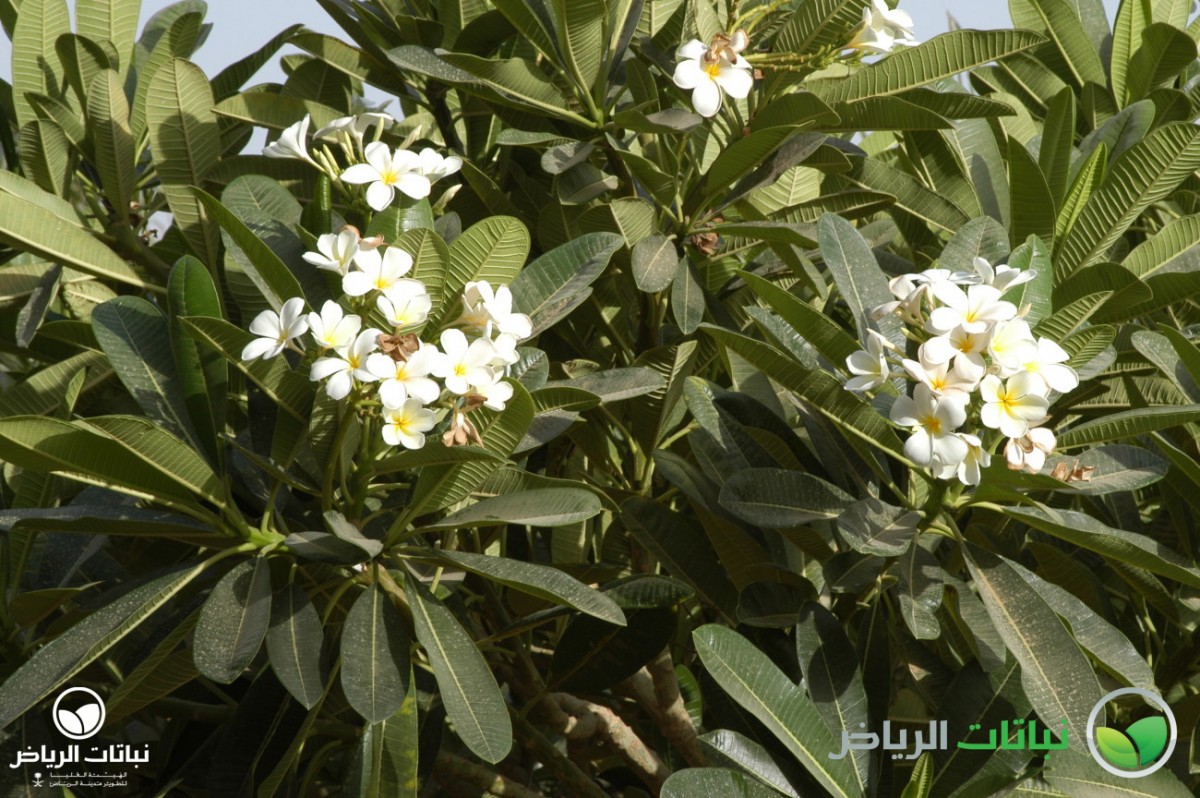
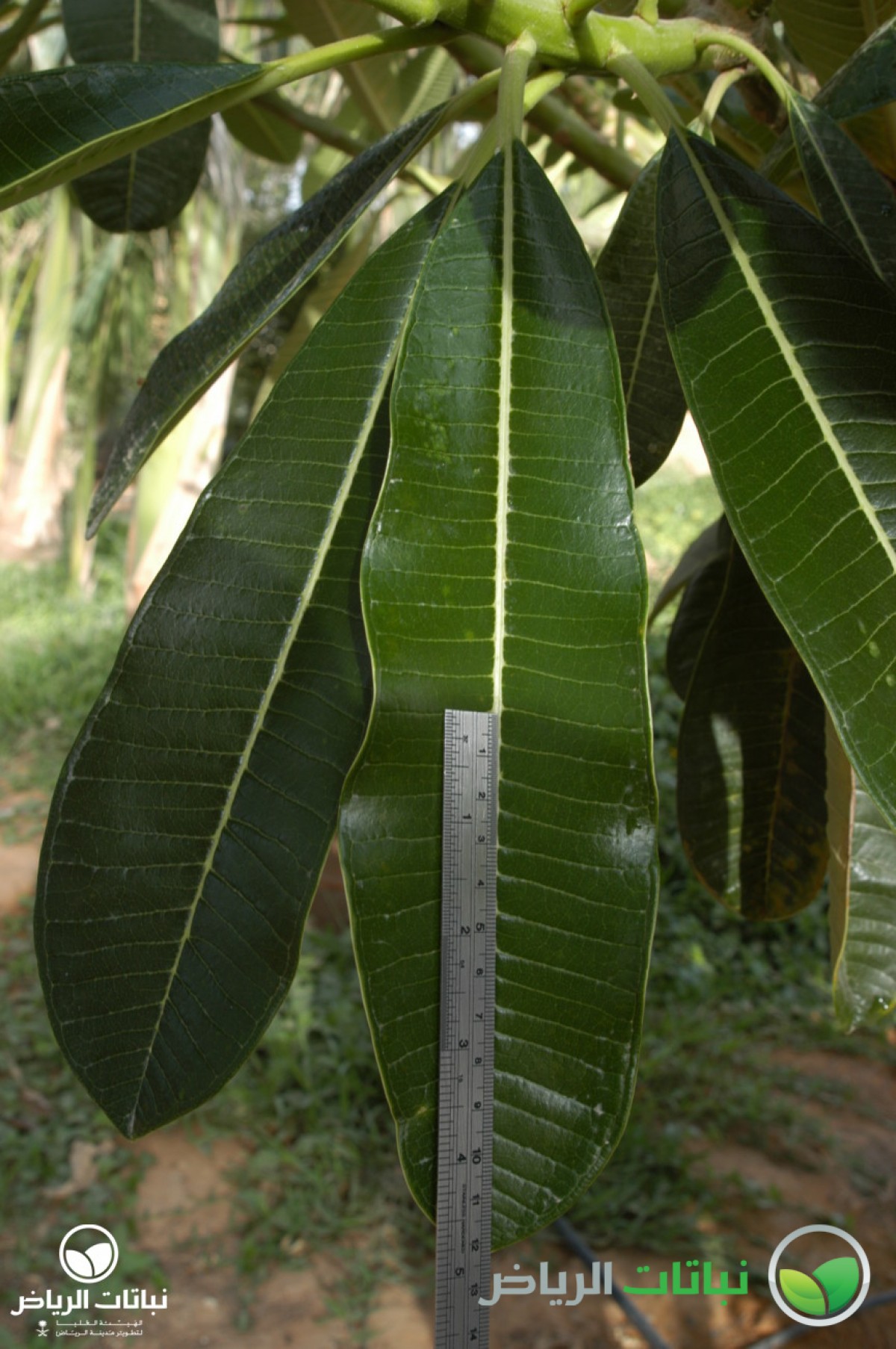
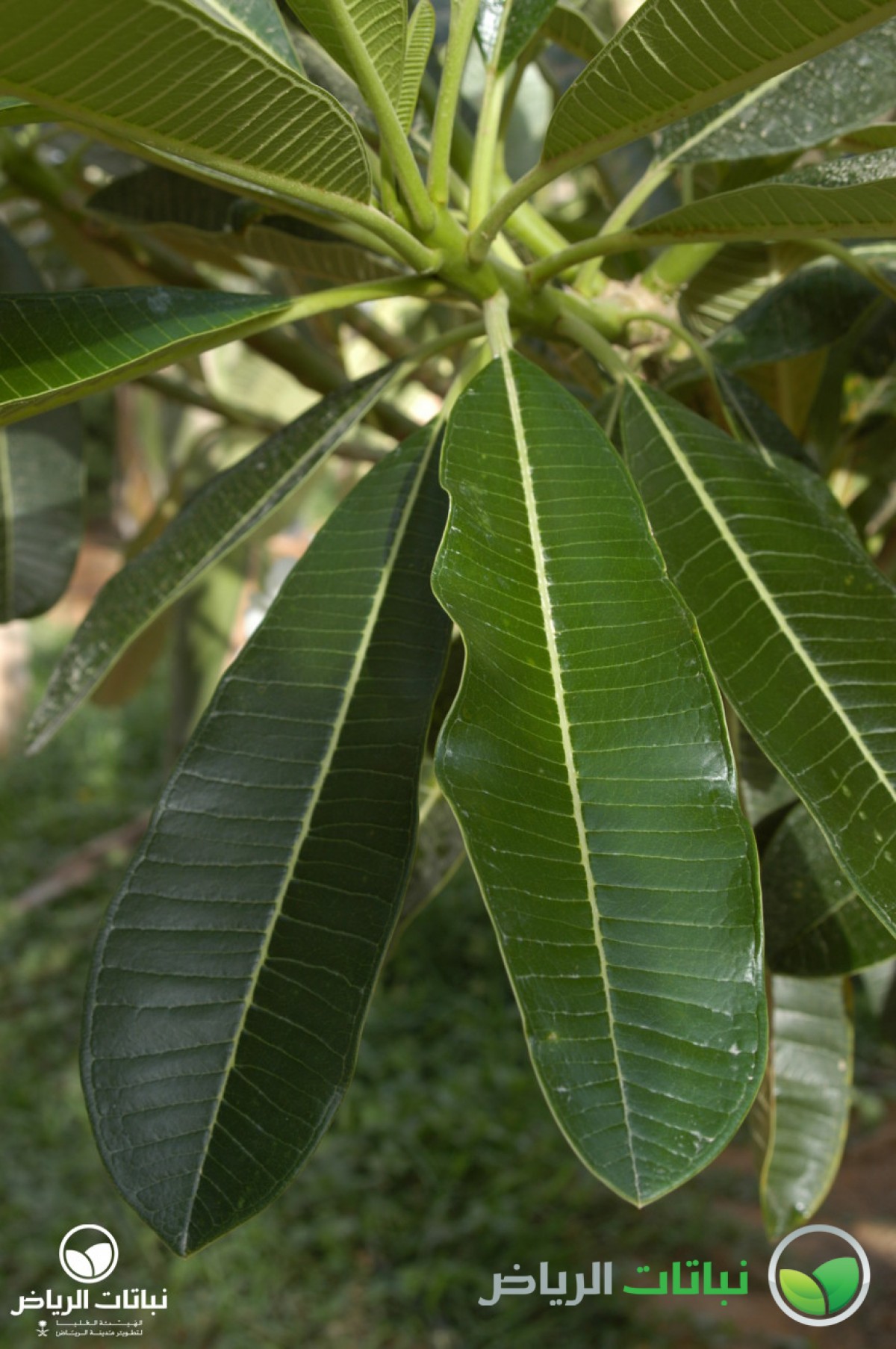
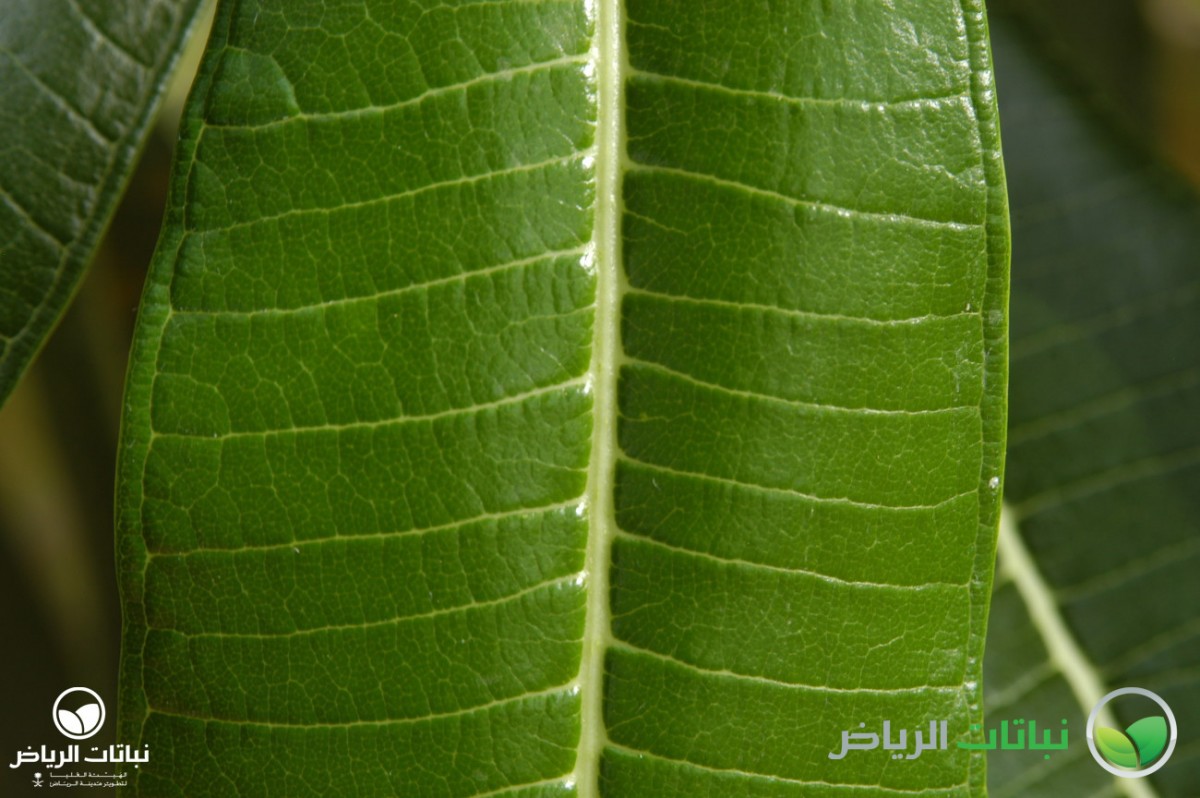
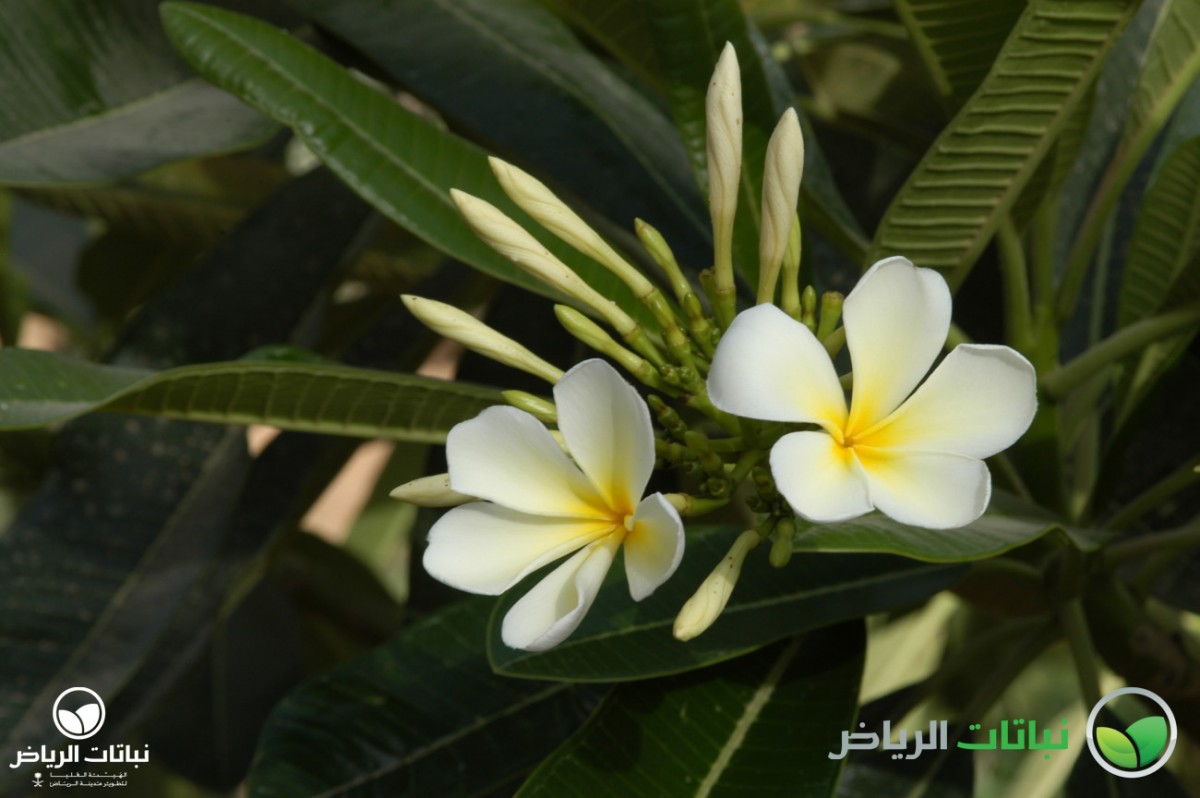
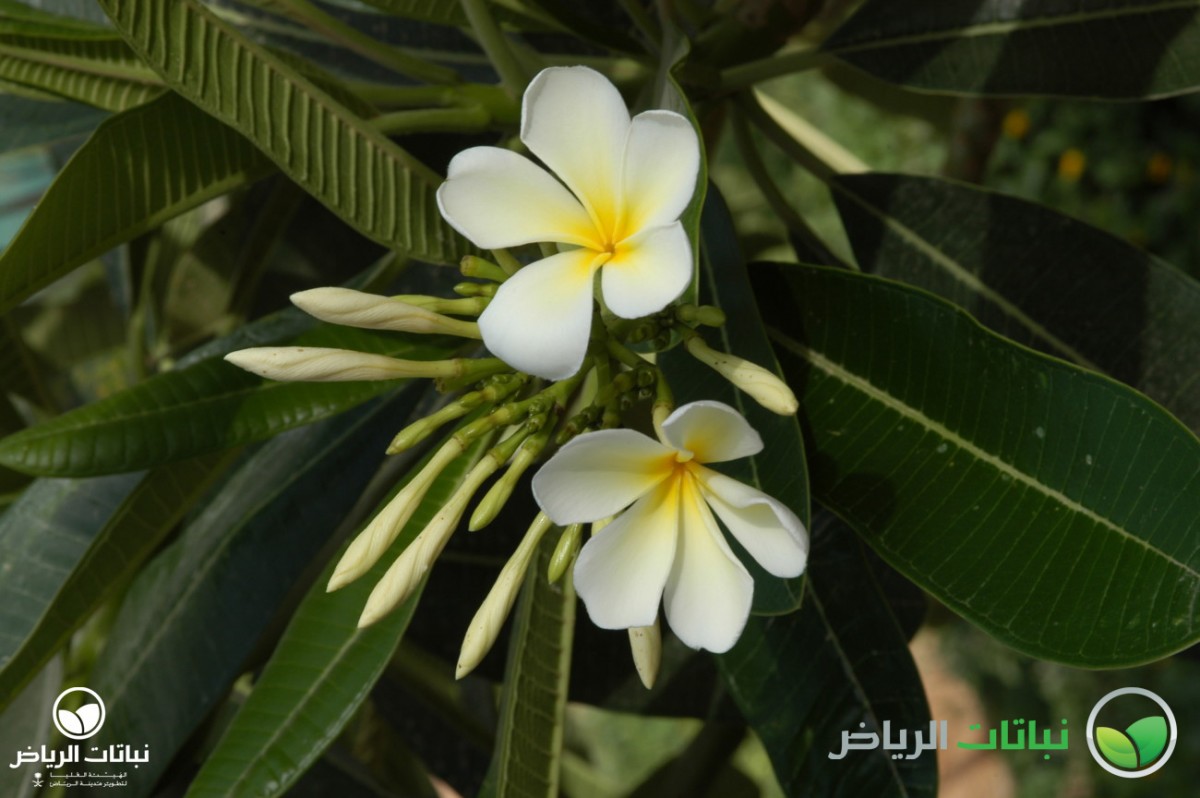
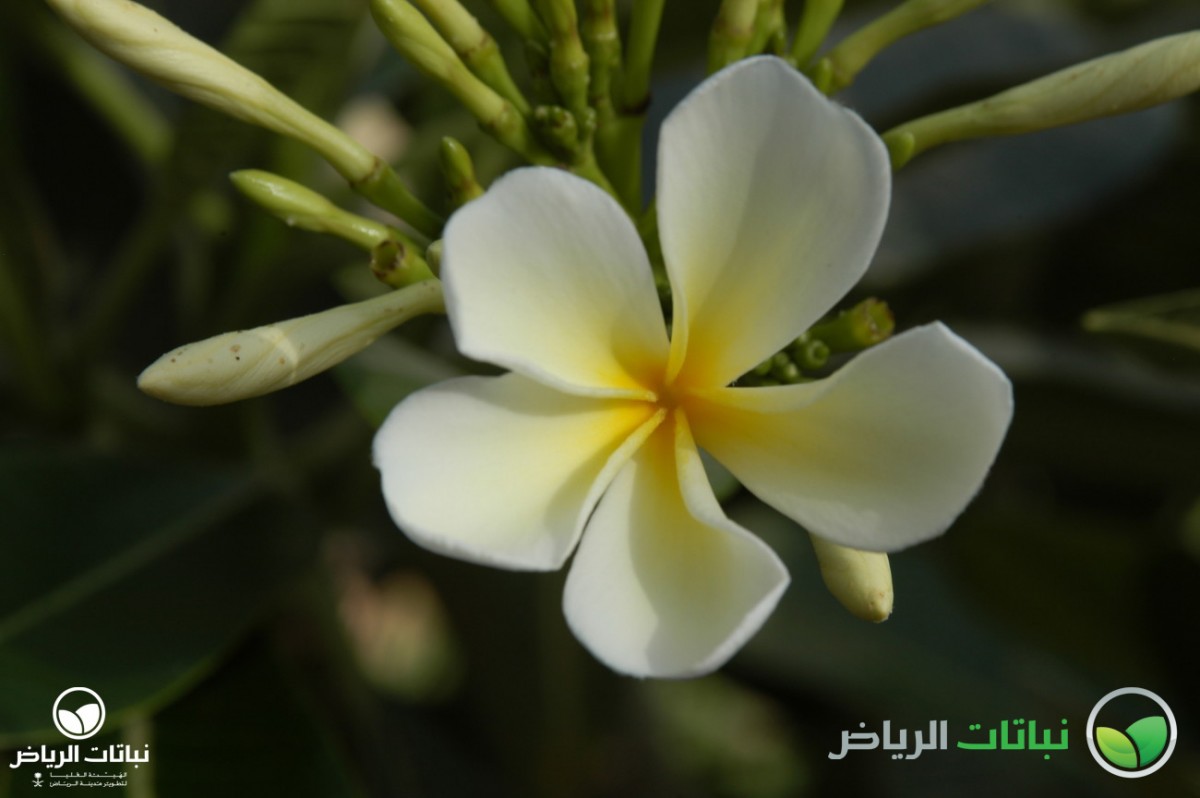
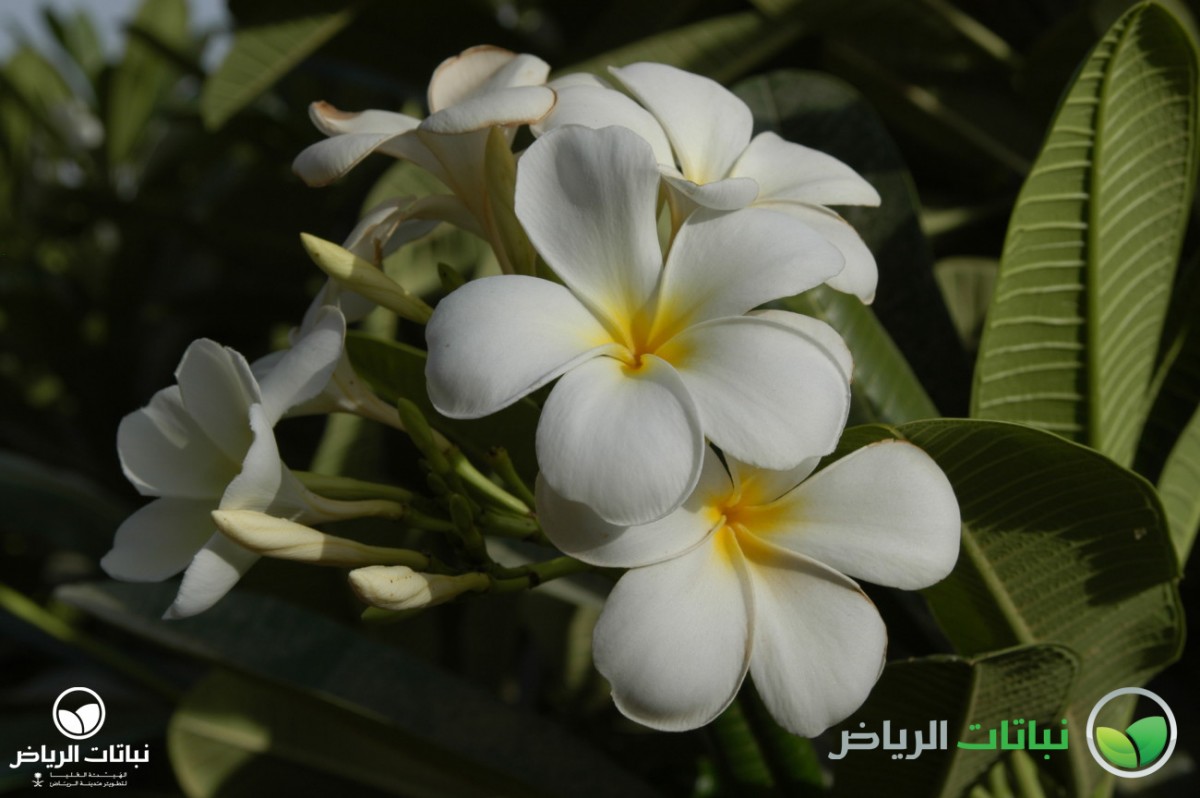
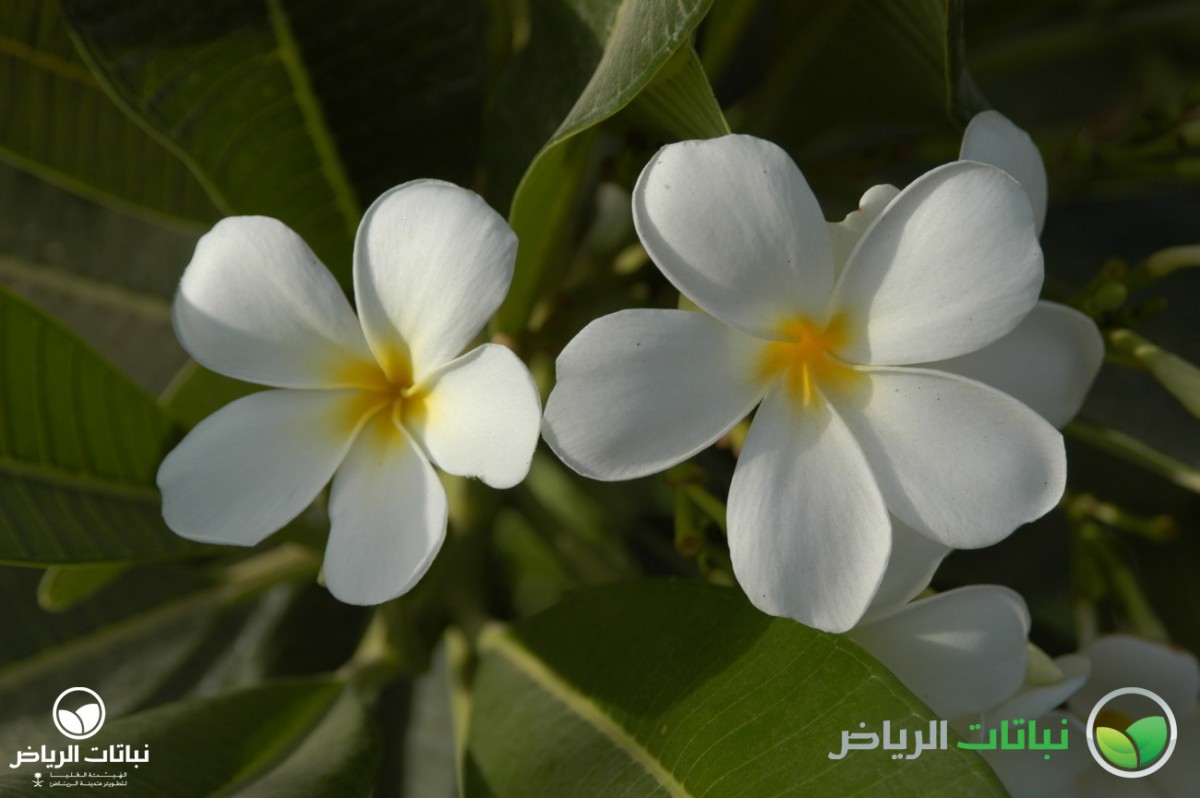
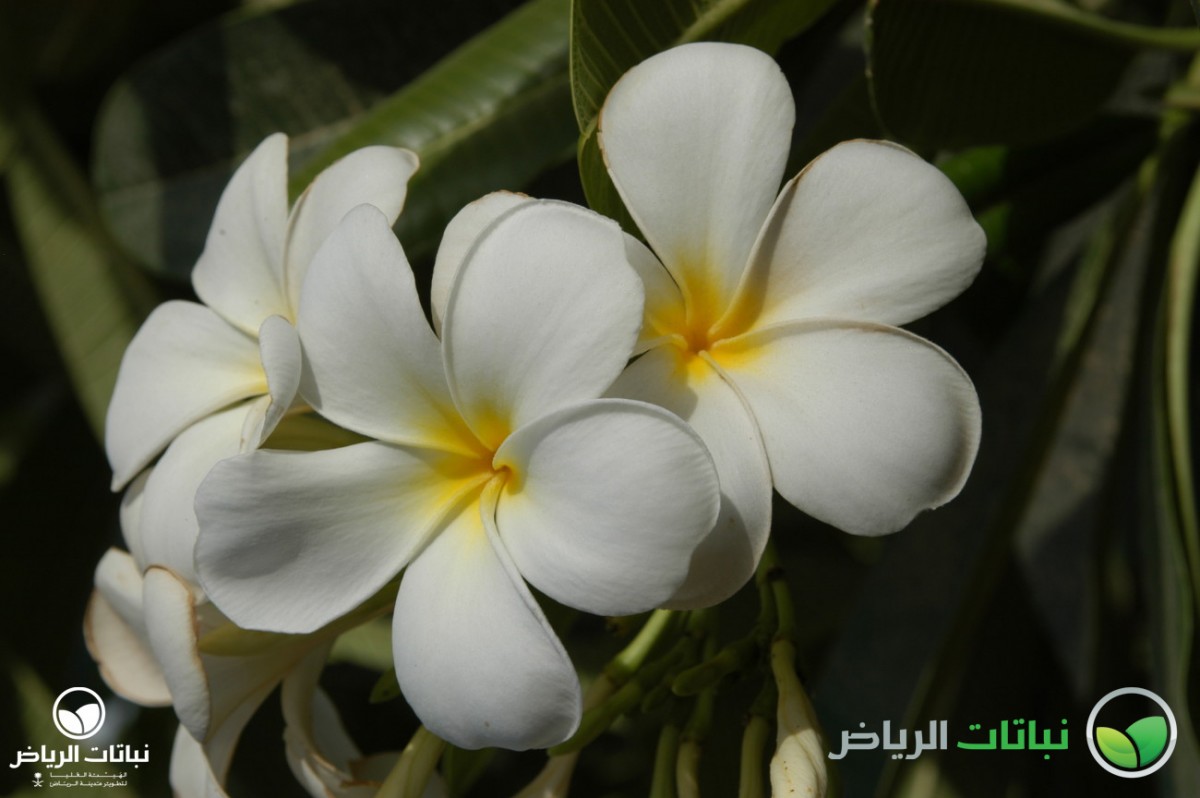
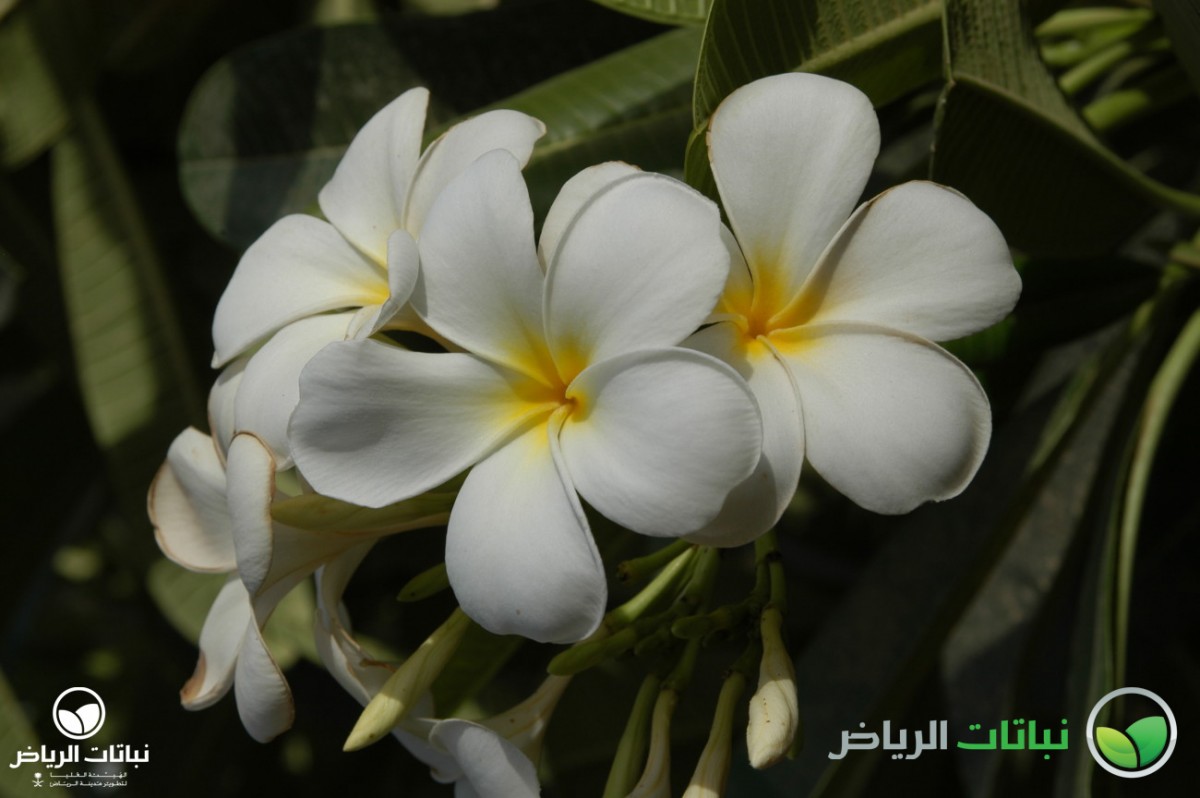
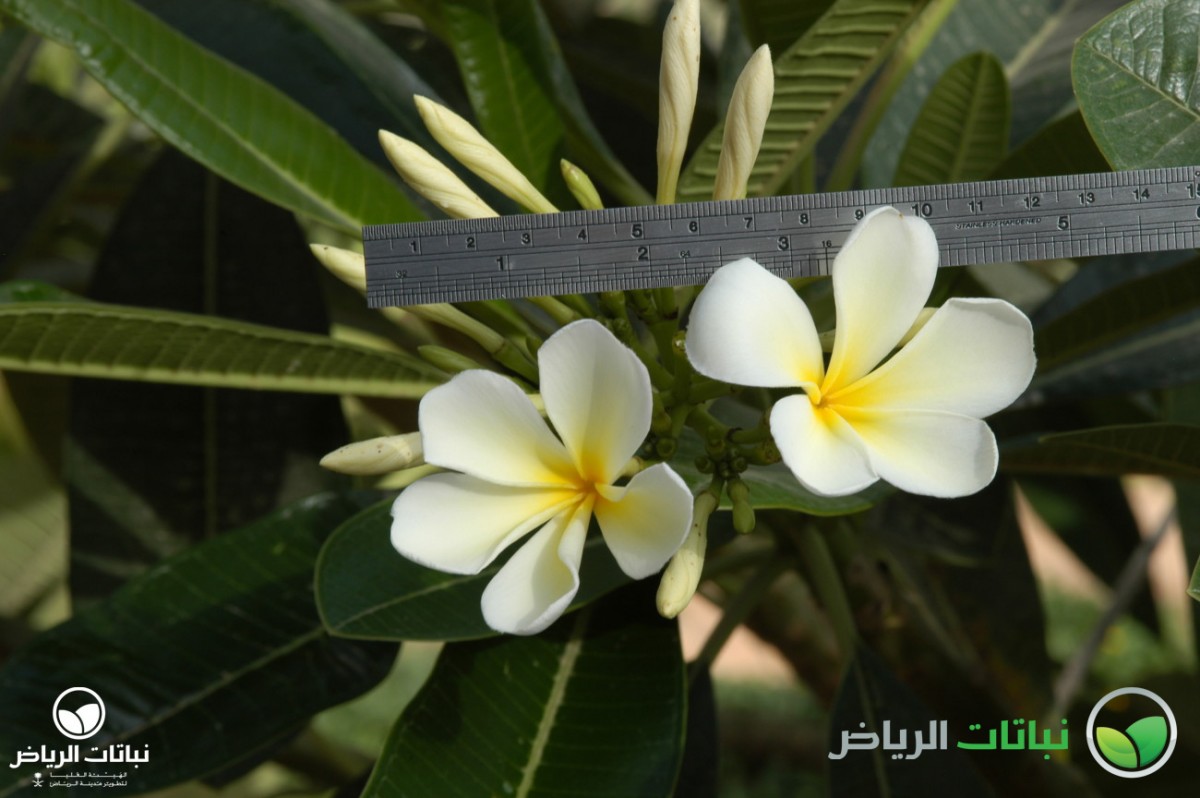
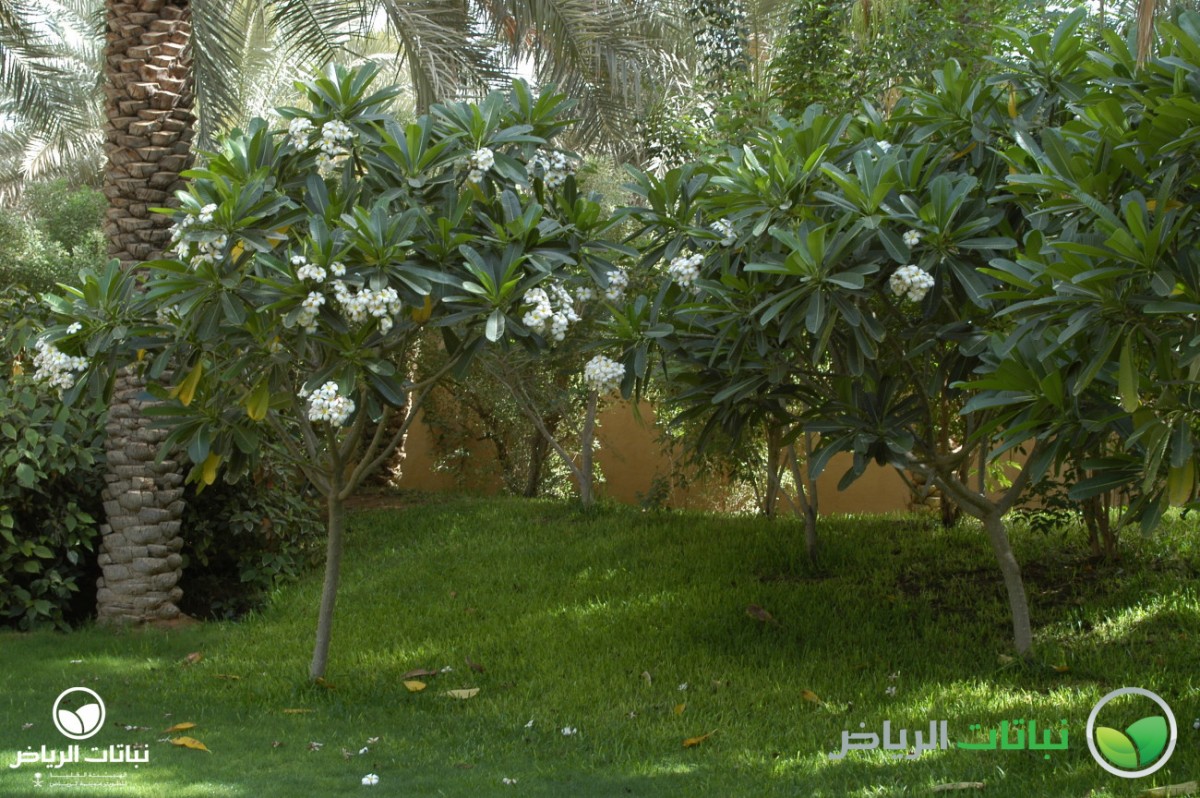
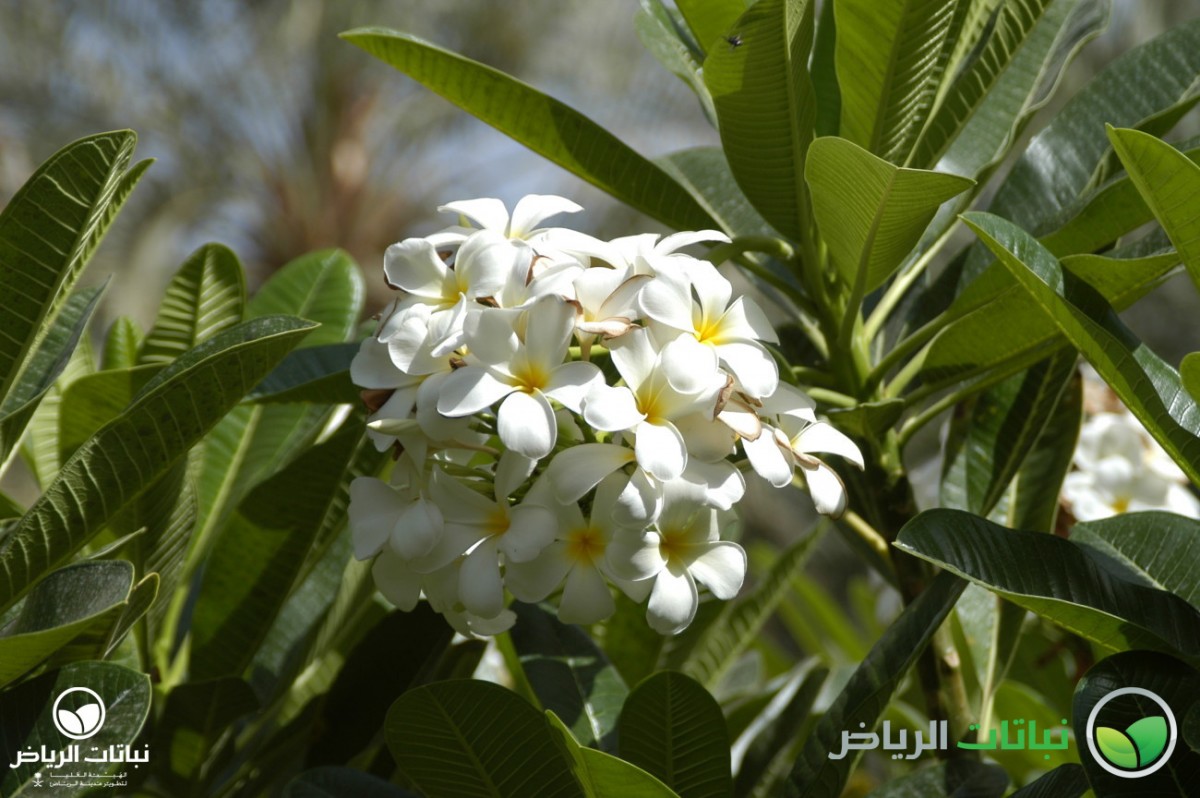
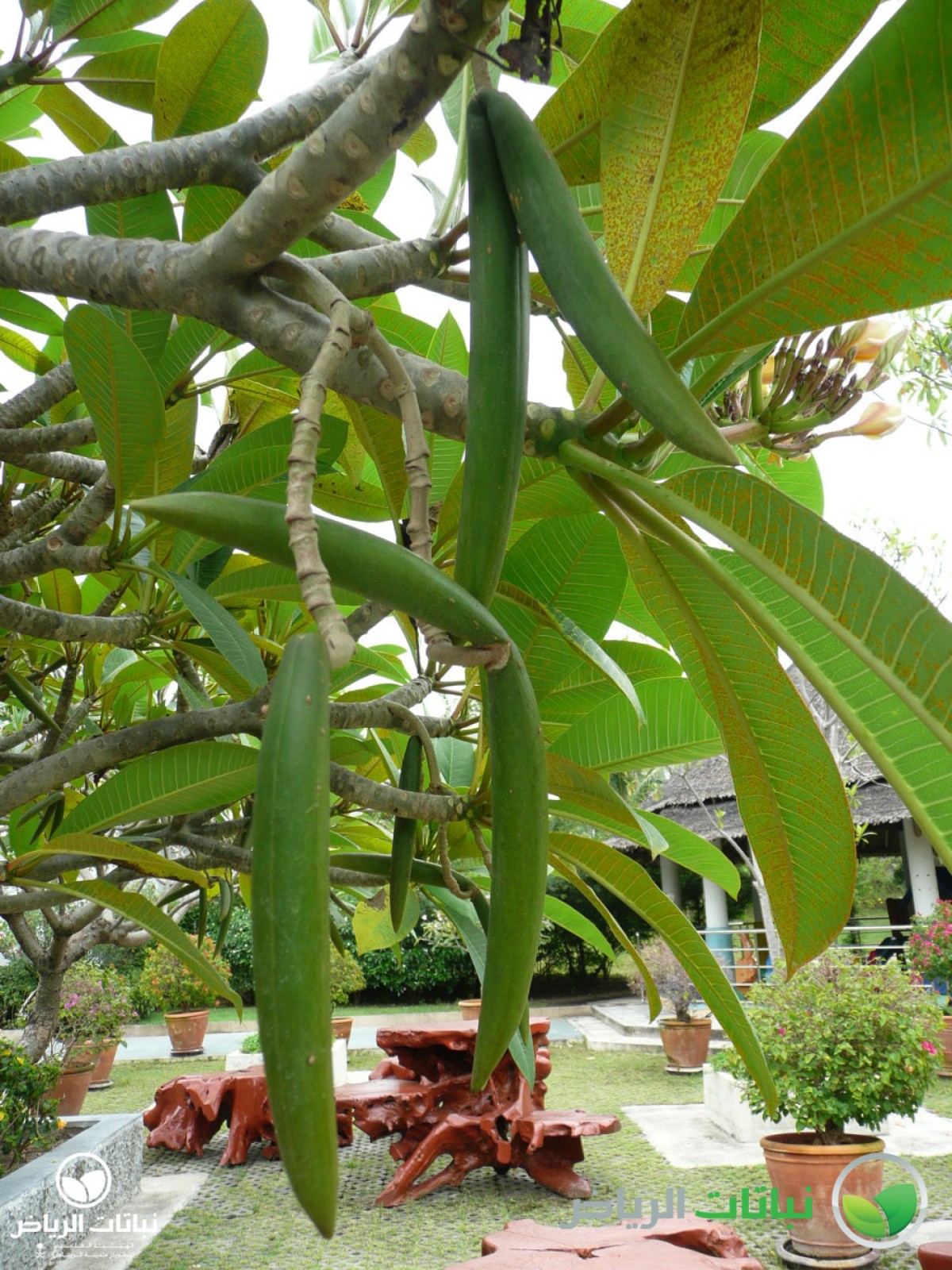
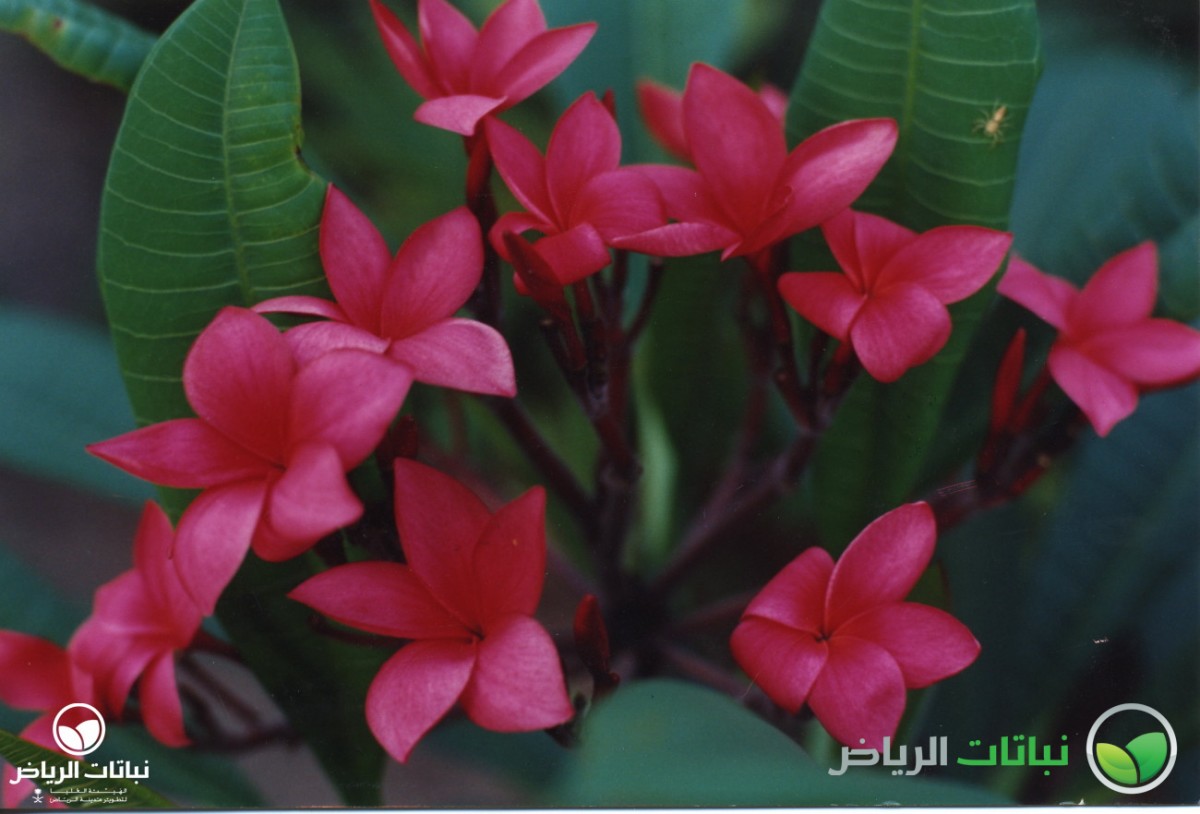
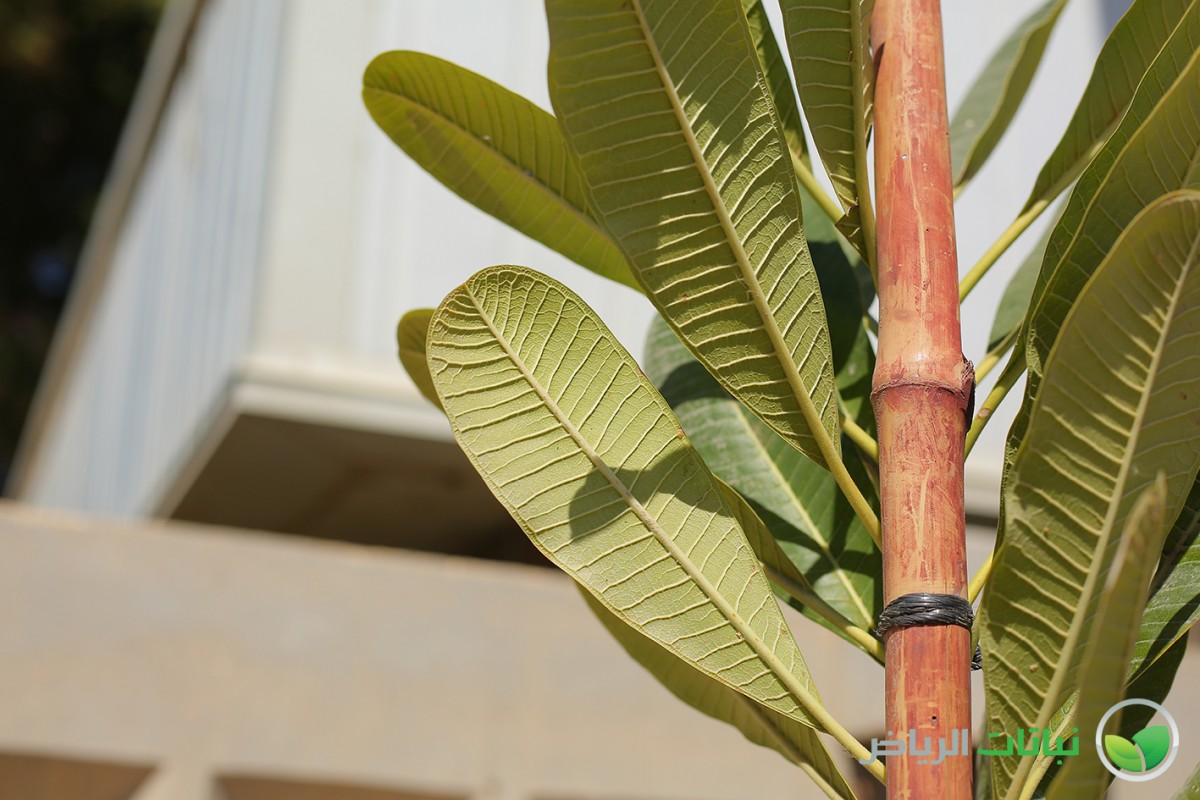
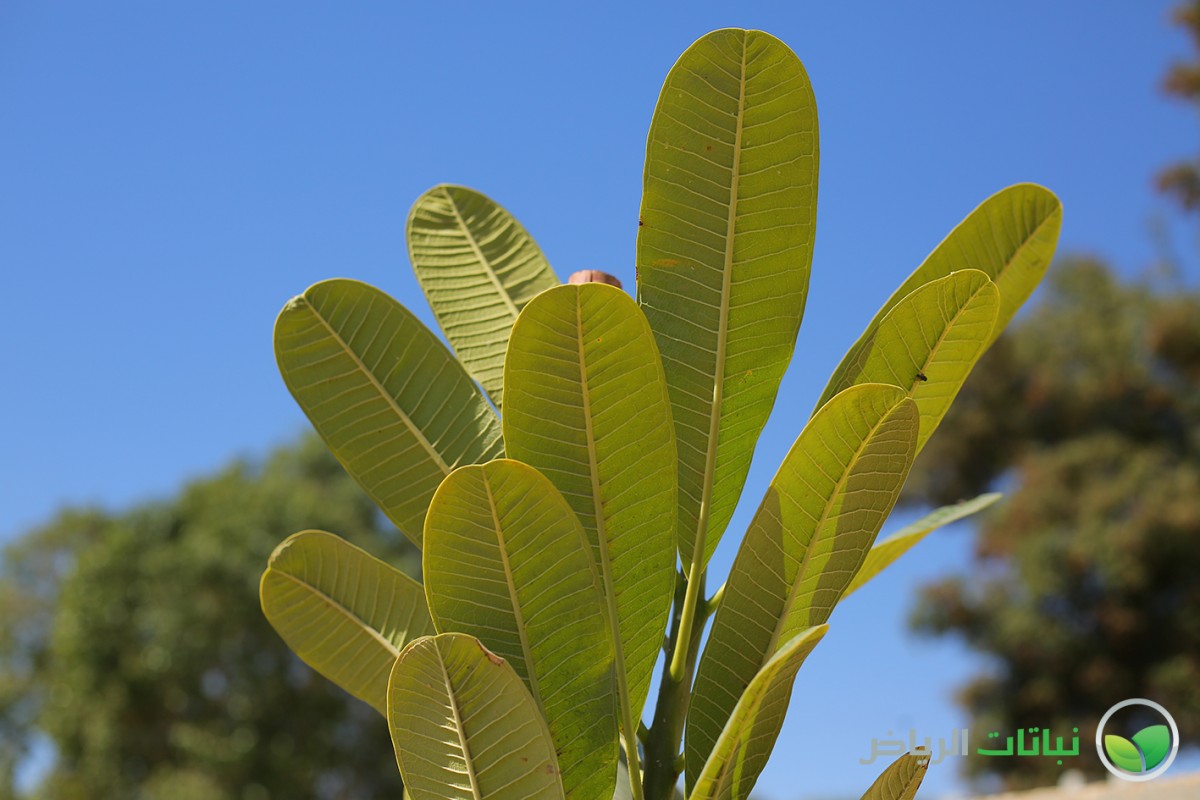
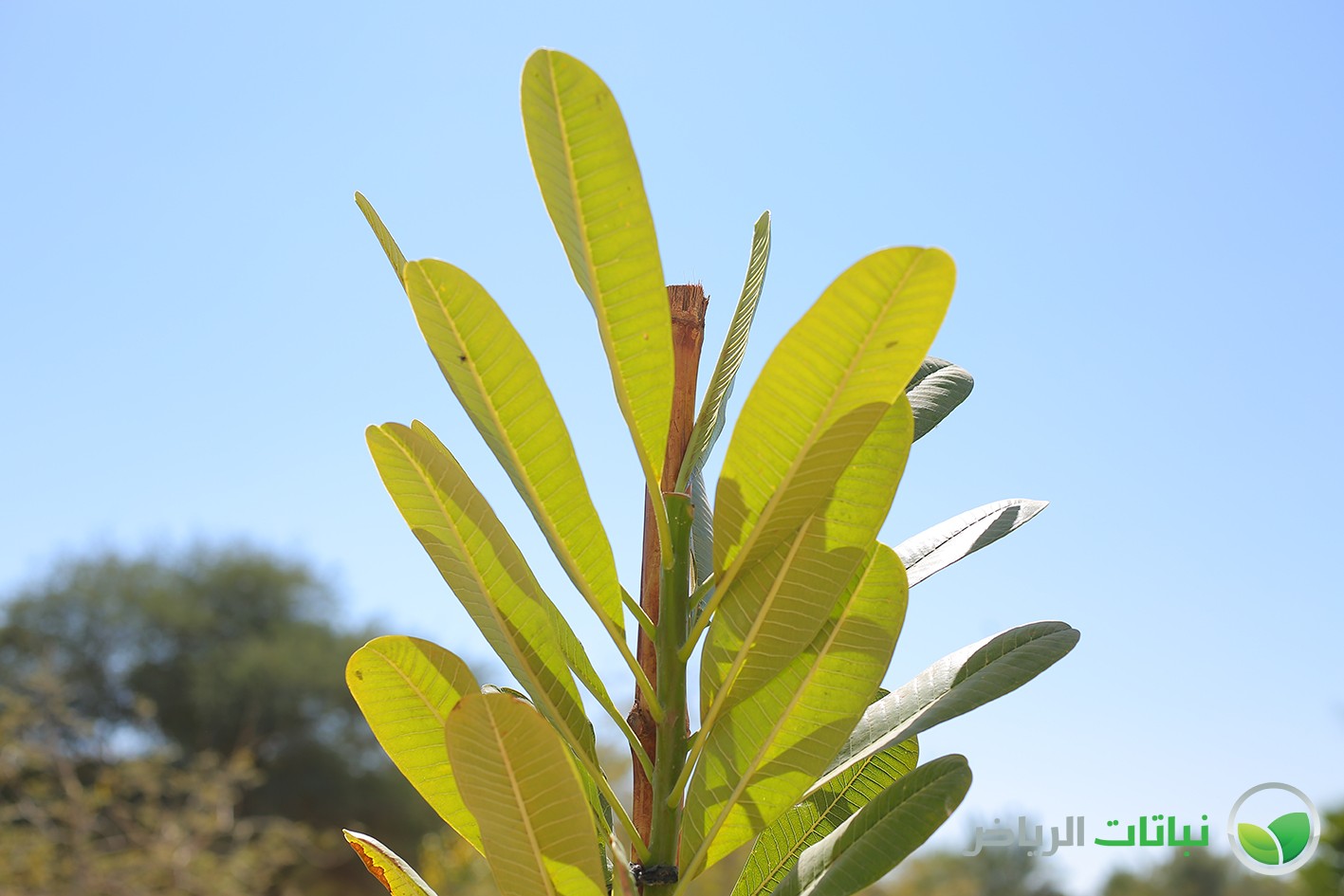
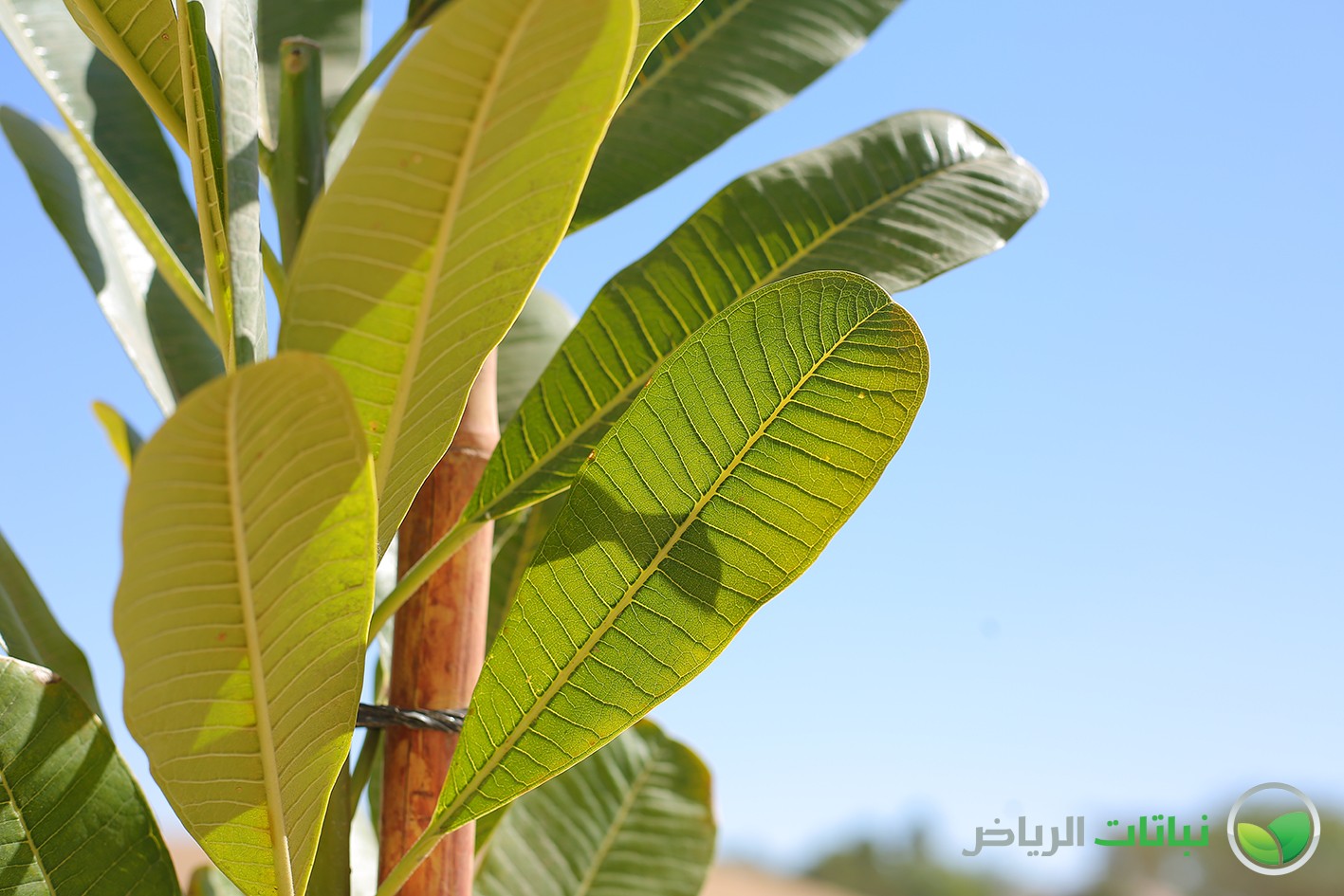
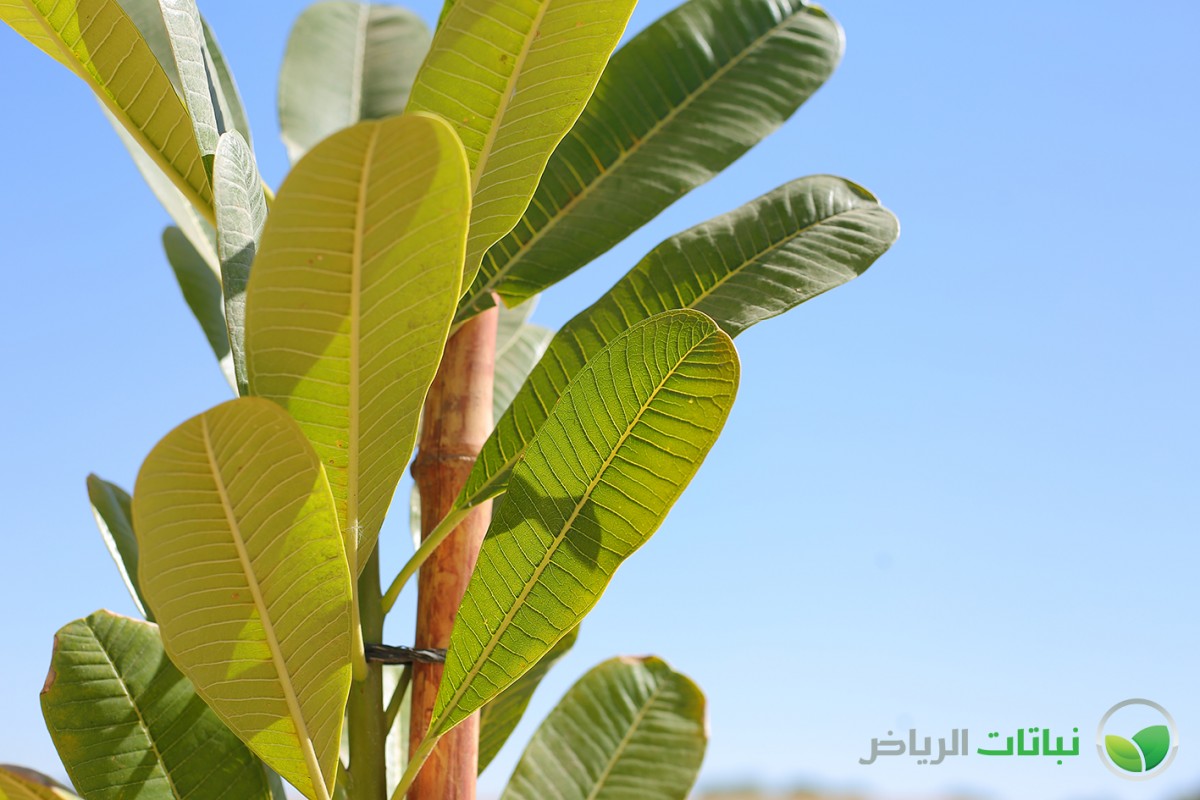
In warm, protected sites, this shrub retains its leaves, while they are usually shed in Arriyadh’s winter and sometimes succumb to frost. Although called Singapore Plumeria, the species originates from central America including the Bahamas and the Lesser Antilles. Nowadays, it is widely spread throughout tropical climates where temperatures do not drop below 4°C. In some regions, it is also called Temple Tree, and in fact it might reach a height of 8 metres with a width of 6 metres fairly quickly, and is easily trained as a standard if the strength of the trunk is sufficient to bear the weight of the crown. Irregular in shape. it will eventually develop an umbrella-like canopy. The leaves are leathery, dark green and shiny. reaching some 25 cm in length and are obovate in shape. They are arranged spirally around the green branches. From June to November, strongly scented flowers enchant garden owners or passers-by. They are white with a yellow throat, measuring up to 7 cm across. Singapore Plumerias grow in locations varying from full sun to semi-shade, and should be protected against strong, drying winds. Although deriving from the humid tropics, they tolerate low air humidity fairly well. They do not stand drought for long, and are vulnerable to waterlogging. The best soils are well drained and fertile, with high levels of humus, and frequent irrigation. Cuttings from the fleshy stems root easily in a mix of compost and coarse sand. Any injury causes white sap to be exuded, which is toxic and may irritate the skin.