Riyadh Plants
Henna, Egyptian Privet, Mignonette Tree
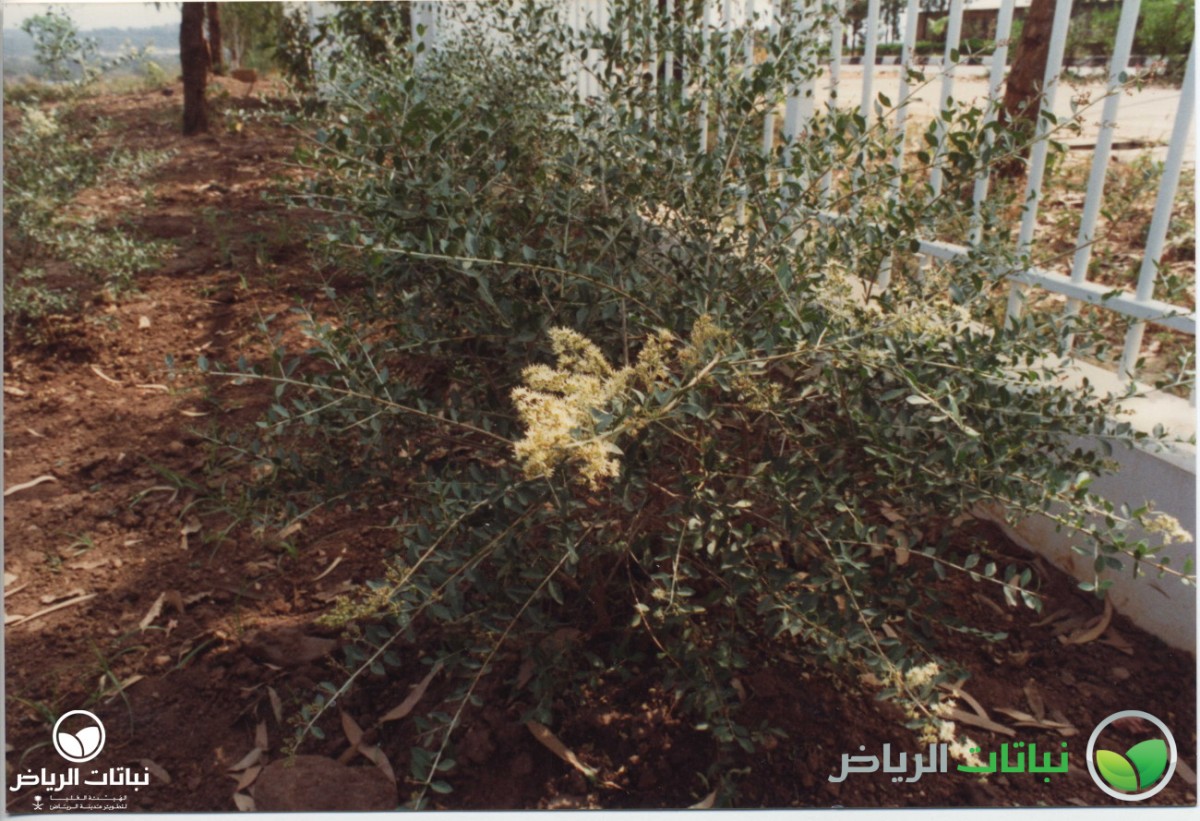
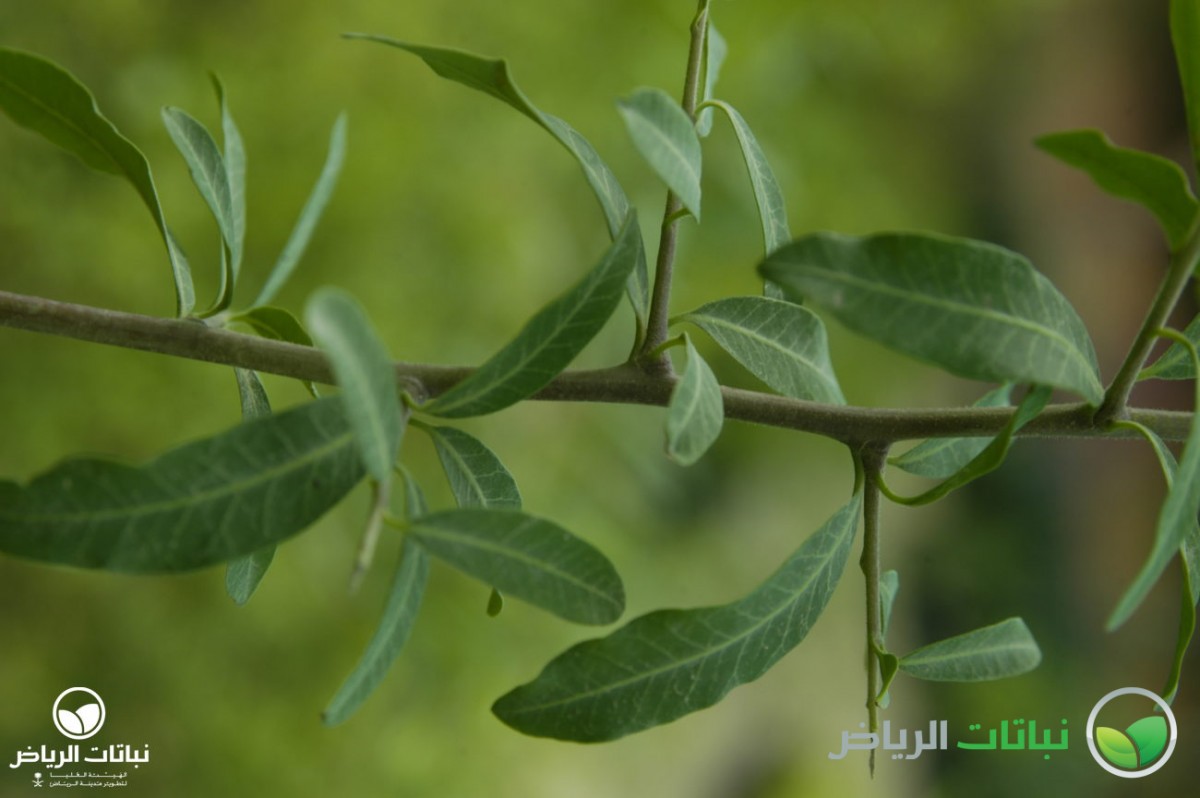
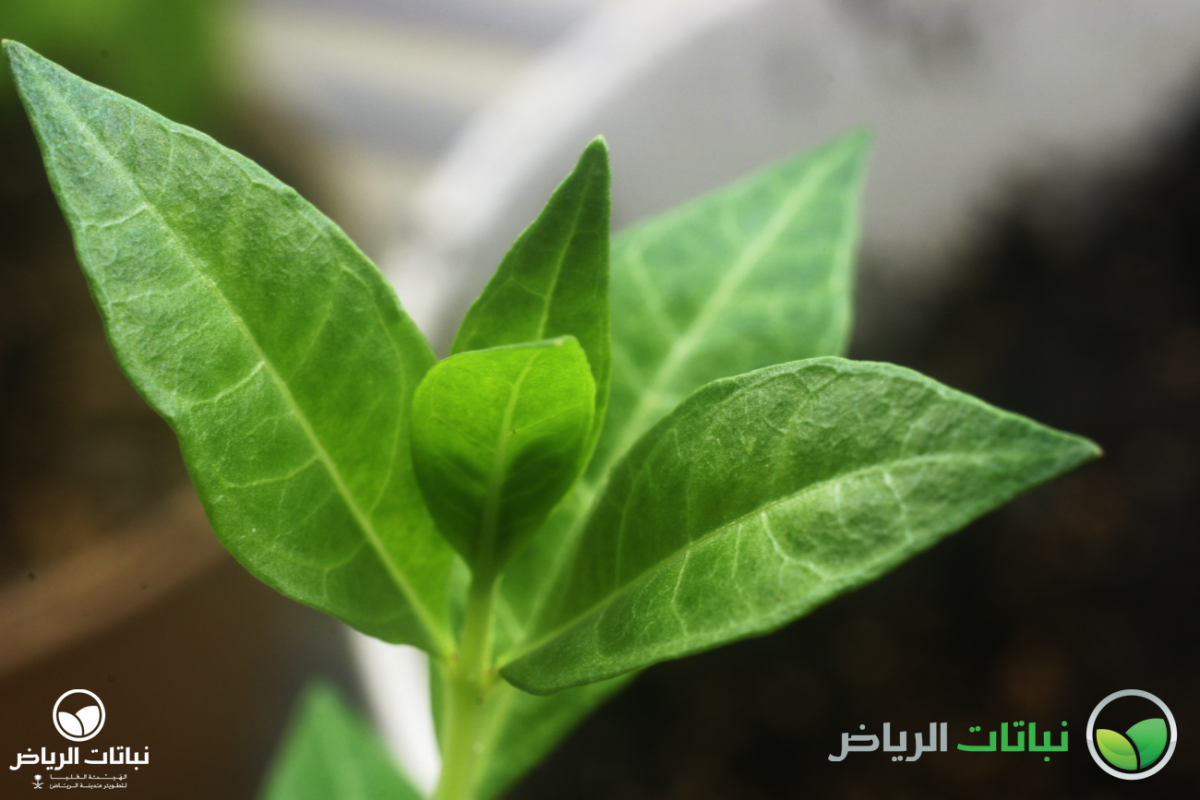
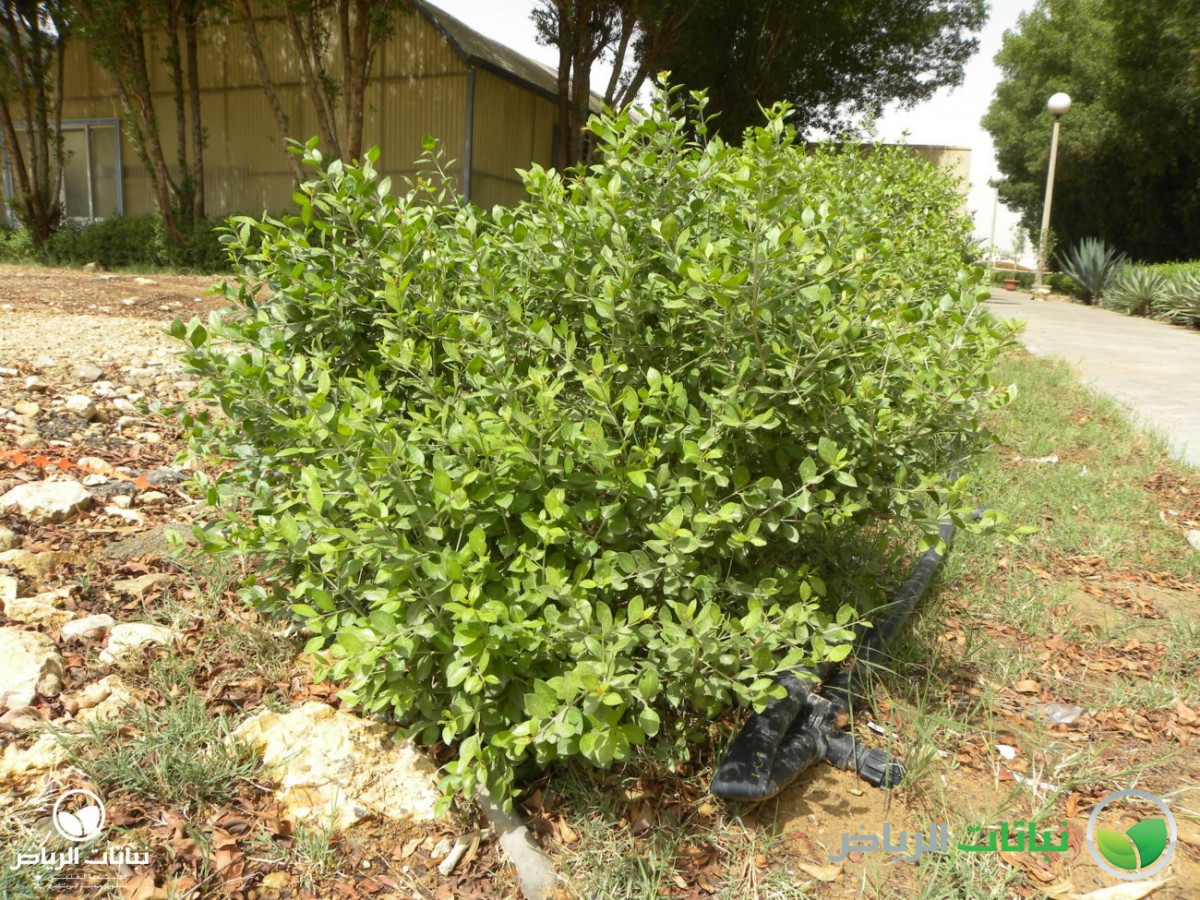
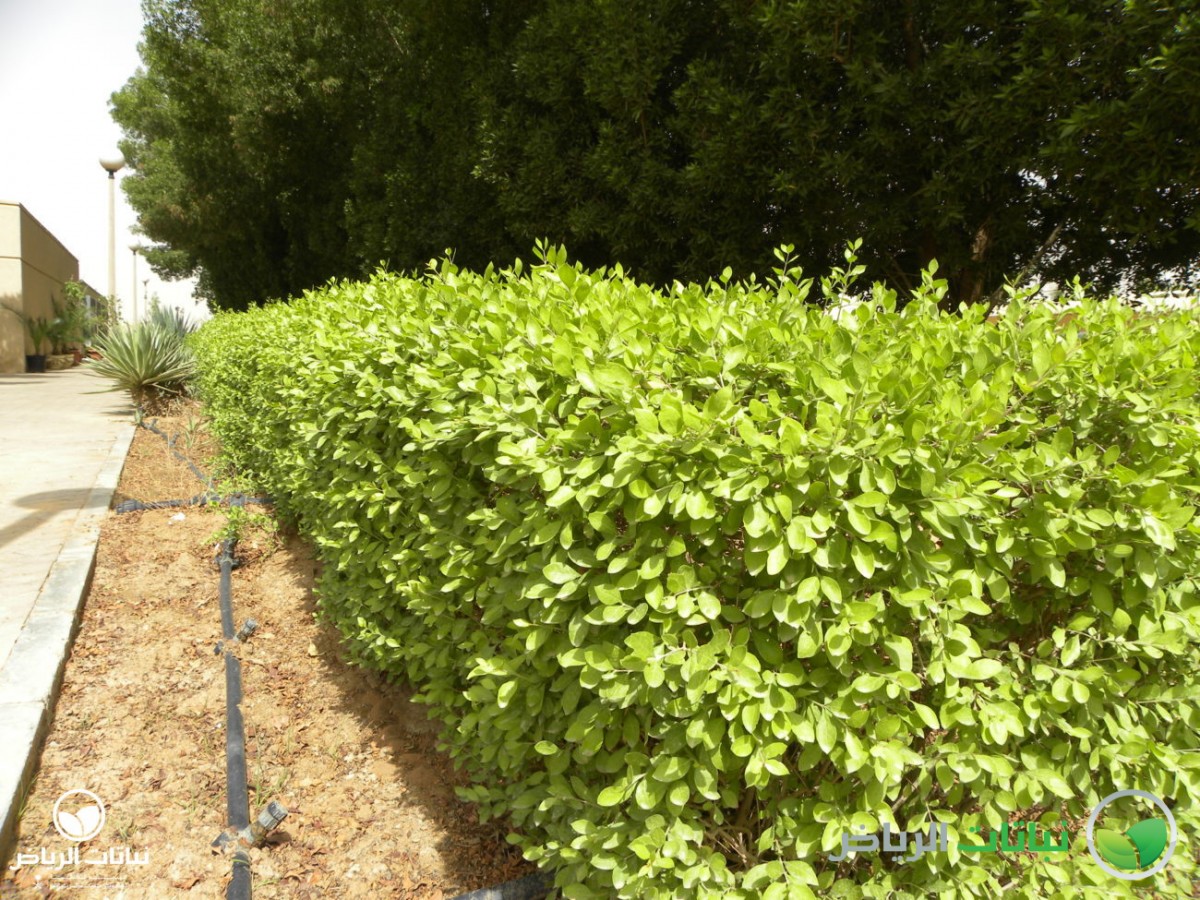
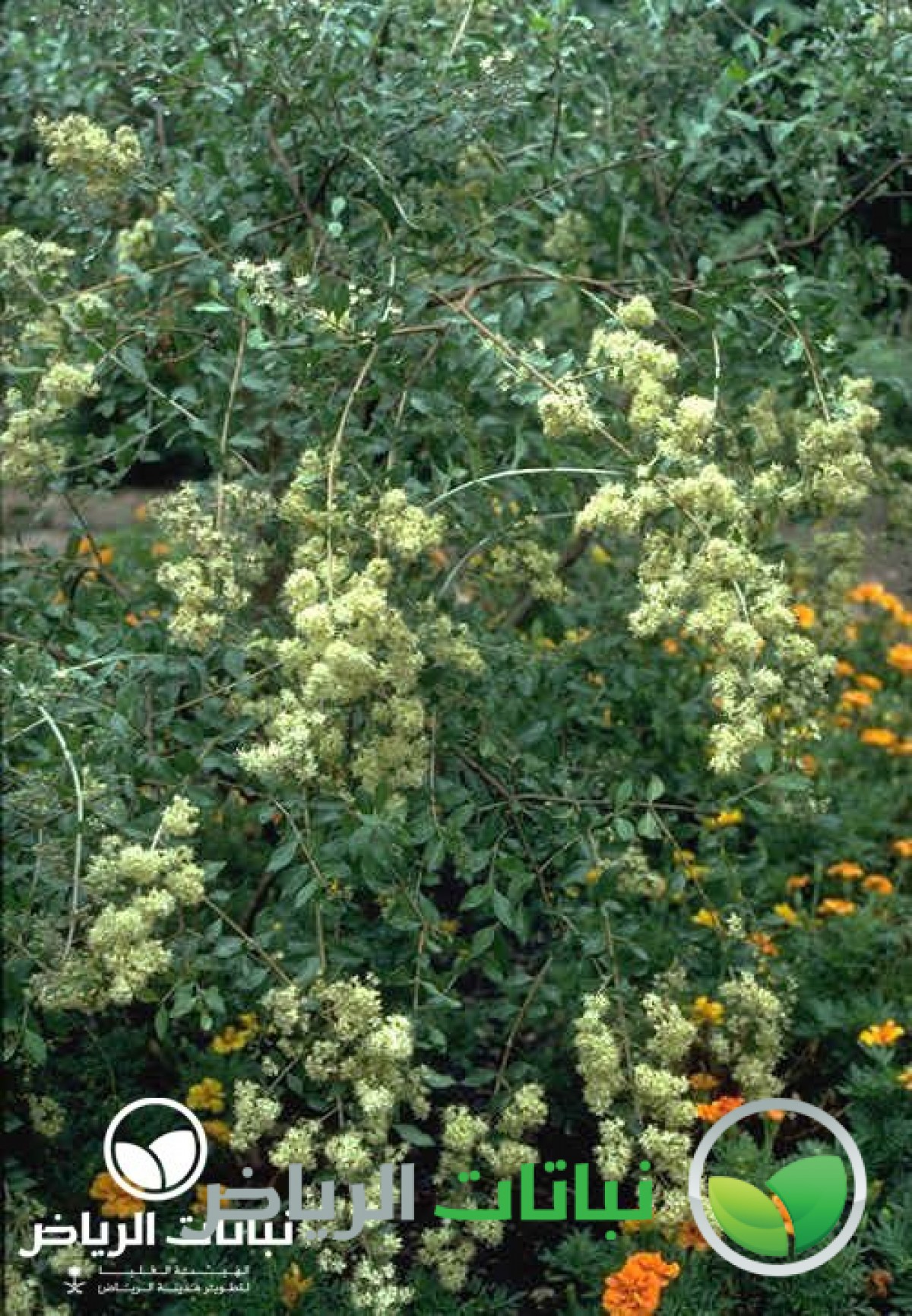
Egyptian Privet or Henna grows wild in the Hejaz where it has become naturalised on alluvial soils along watercourses. It is grown throughout the Kingdom as an ornamental shrub. Fast-growing, it reaches the proportions of a small tree. Henna is a somewhat straggly, many branched, glabrous shrub up to 6 metres high with a greyish-brown bark. The size of the small, pale grey-green, elliptical leaves is dependent on the availability of water. L. inermis bears numerous, very fragrant, usually whitish, sometimes reddish flowers, in large, pyramidal, terminal panicles, in summer. The globose fruit capsules, are purplish-green and many-seeded. Propagation is by cuttings or seed, and the thick seed coat must be pre-germinated before sowing. Henna requires full sun and high temperatures, and will survive light frosts. Very drought-resistant, it needs moderate water in summer and deep watering to improve its appearance during hot weather. It prefers stony and sandy soils, with good drainage, but adapts to heavy, fertile clay soils. It is not salt-tolerant. Henna is susceptible to only a very few pests and diseases. L. inermis is of great importance to Muslims, where it is used in marriage ceremonies: the leaves are ground into a paste that can be used to decorate the palms of the hands and the soles of the feet or to dye the hair. Tucked into a garden, it will provide an exclusive fragrance. It is also useful as a hedge plant, although clipping will remove the scented flowers. Careful pruning is necessary to keep the plant compact.