Riyadh Plants
Tangerine
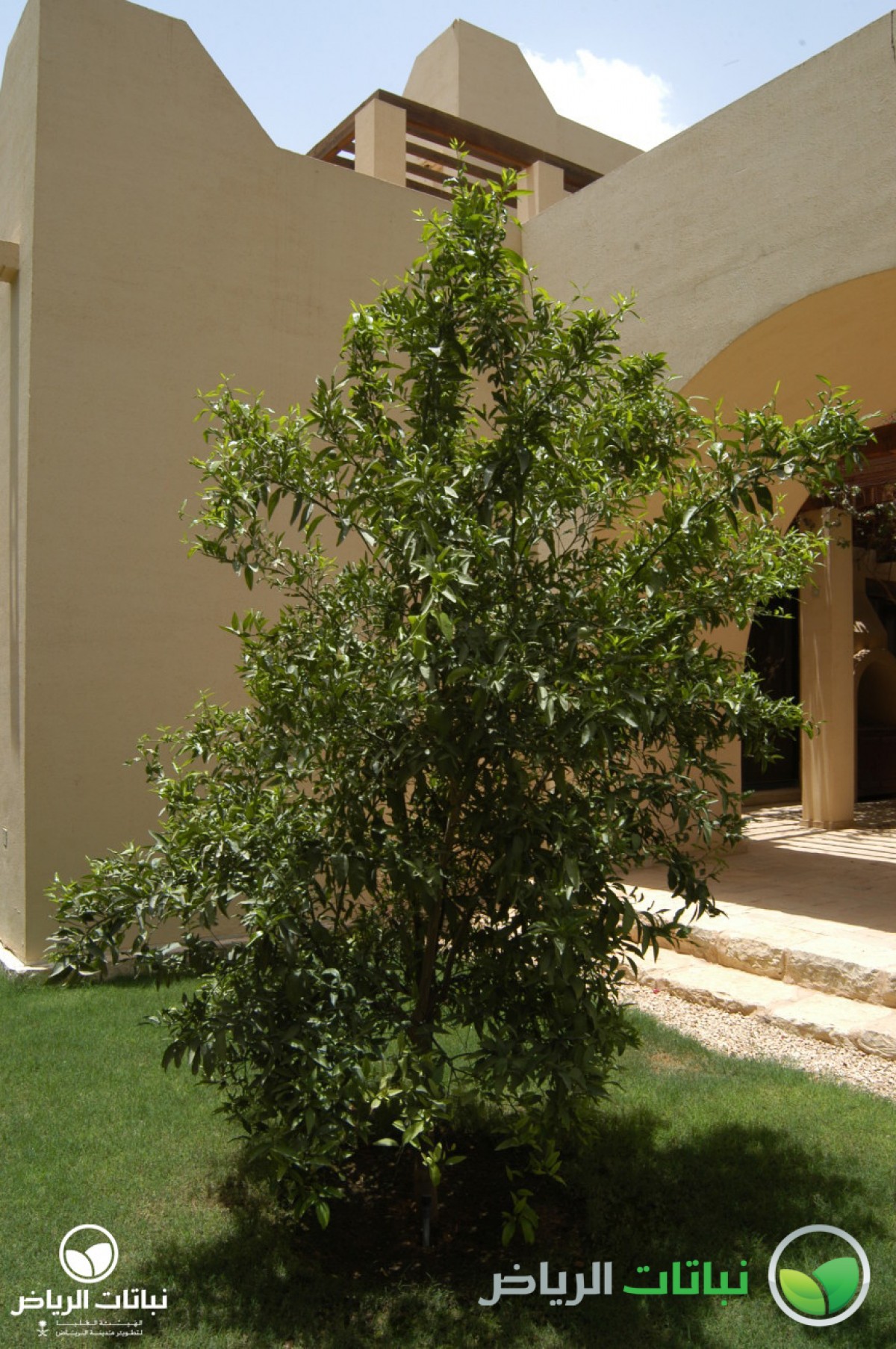
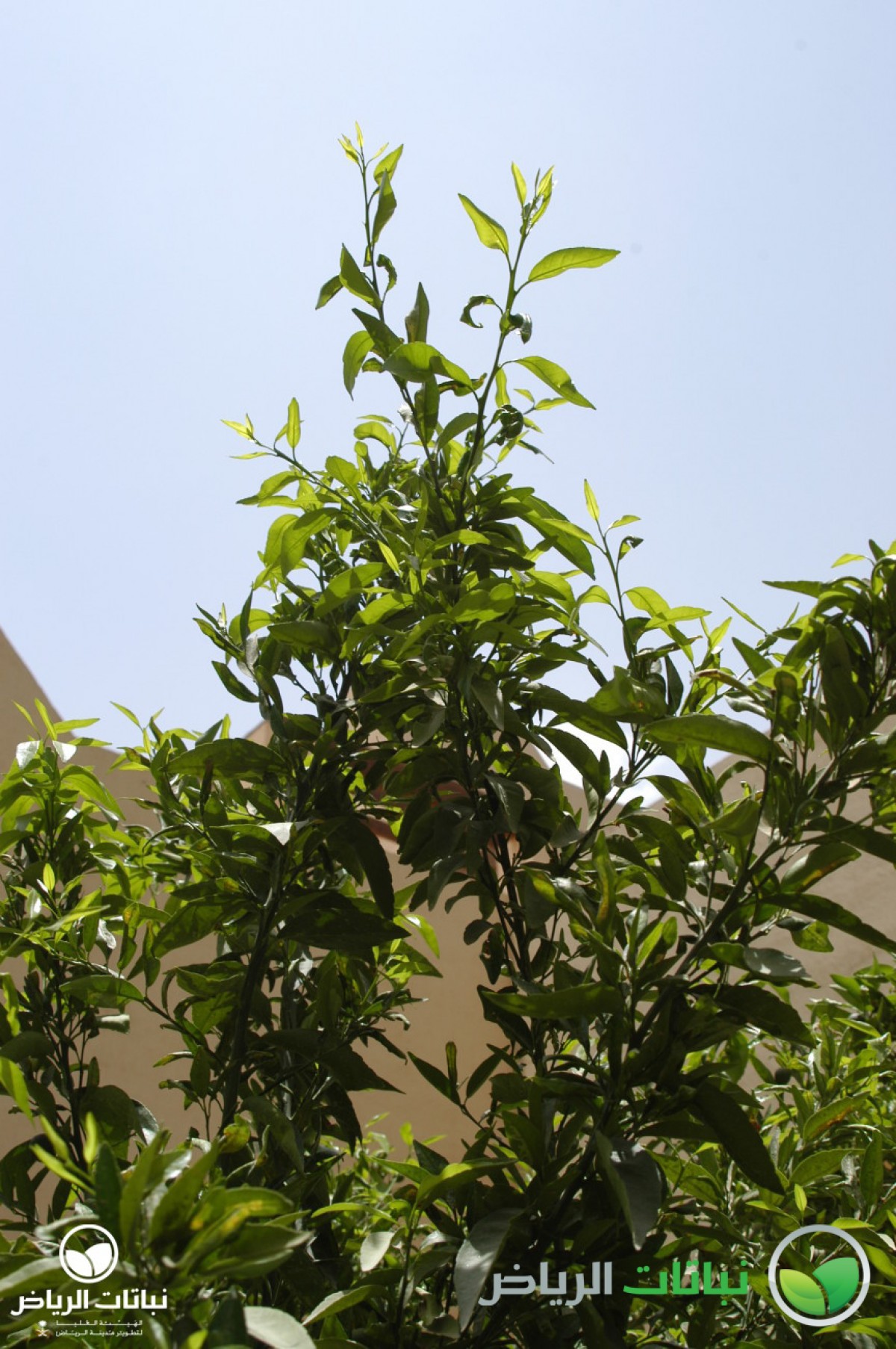
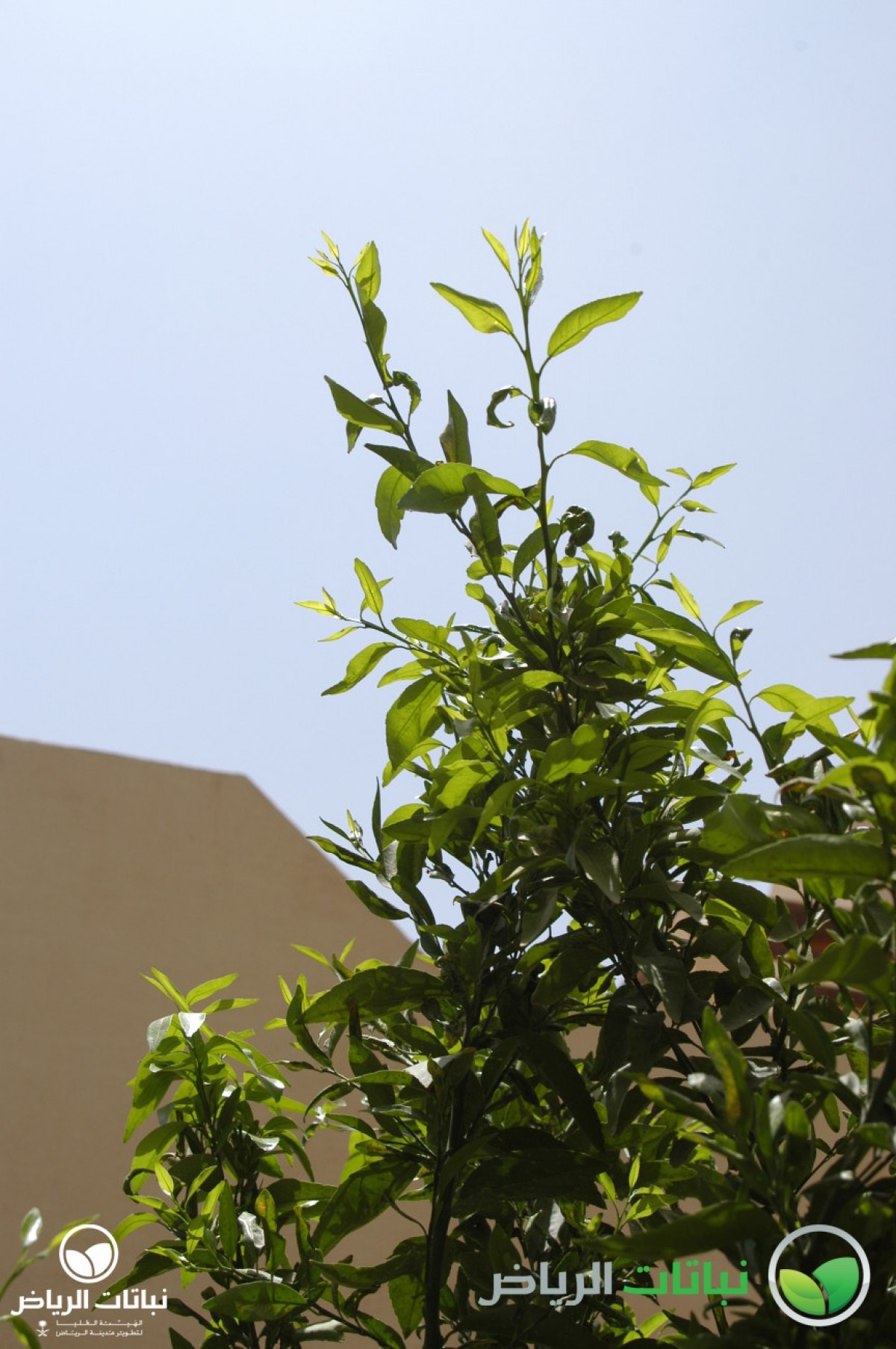
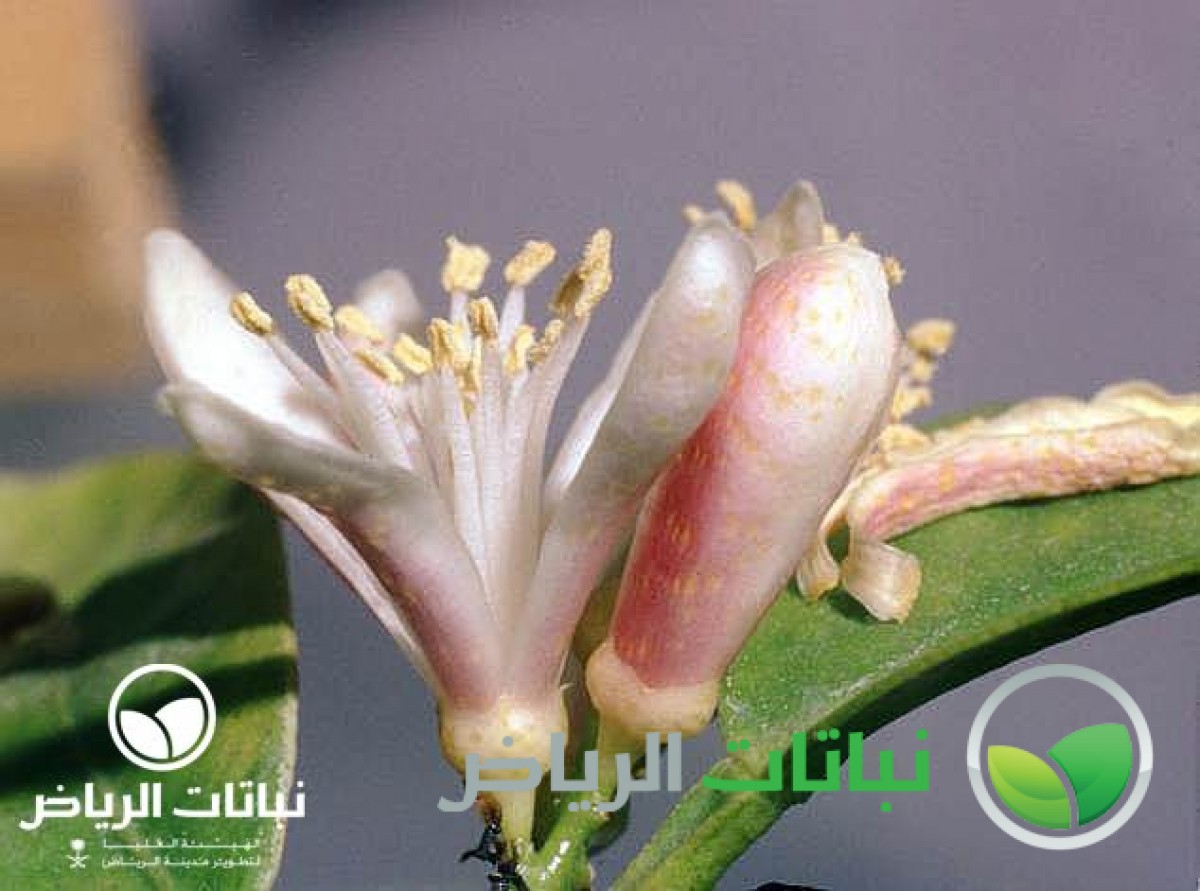
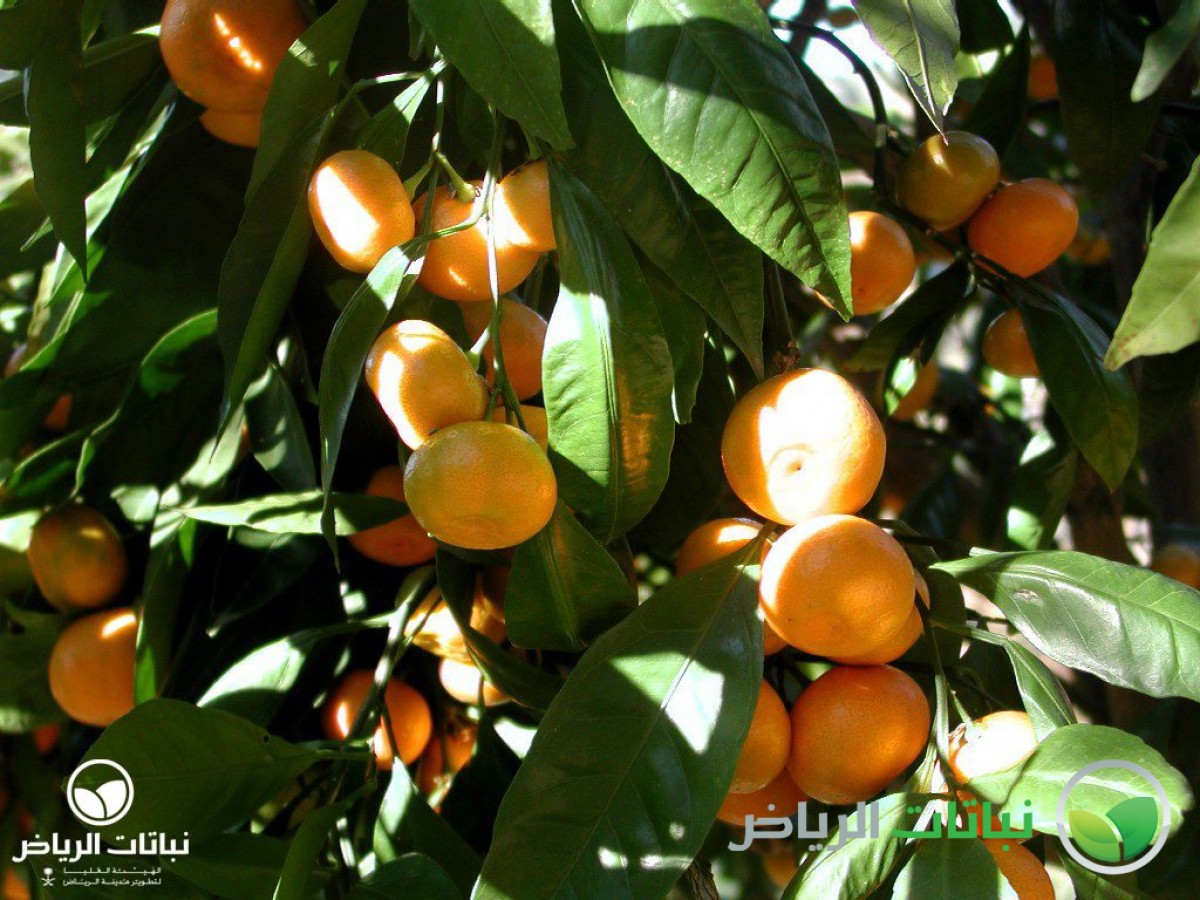
This is the medium-sized, evergreen tree that bears tangerines: it grows to a height of 5 metres, and up to 7 metres in width. Once native to southeast Asia, C. reticulata is now grown in any warm climate in the world. Tangerines are an important cash crop and are easier to peel than other citrus. The open crown is covered with shiny, oval leaves with serrated margins and winged petioles. They are dark green and aromatic when touched or crushed. In spring, pink buds open to white flowers that exude an strong, sweet fragrance. After pollination by honeybees, the tree bears the well-known, tasty fruits with bright orange rind in a flattened, round shape. Many cultivars vary in fruit size, yield, fruit colour, taste and number of seeds. Widespread are ‘Clementine’, ‘Dancy’ and ‘Fremont’, which are usually grafted onto stock that tolerates adverse conditions. The fruit ripens in winter, which makes them highly popular when there are no fruits harvested in cold or temperate climates. Yields vary from heavy crops one year to minimal performance the next year. Full to partial sun is ideal with additional irrigation in summer, but less in winter. The most serious pest to citrus are leaf miners. Mechanical methods to get rid of the larvae that live within the leaf are impossible, and chemical treatment is highly elaborate but often unsuccessful. Prevention is the best way to avoid infestation, so that each new citrus tree must be carefully examined before planting.