Riyadh Plants
Goldwreath Acacia, Blue-leafed Wattle
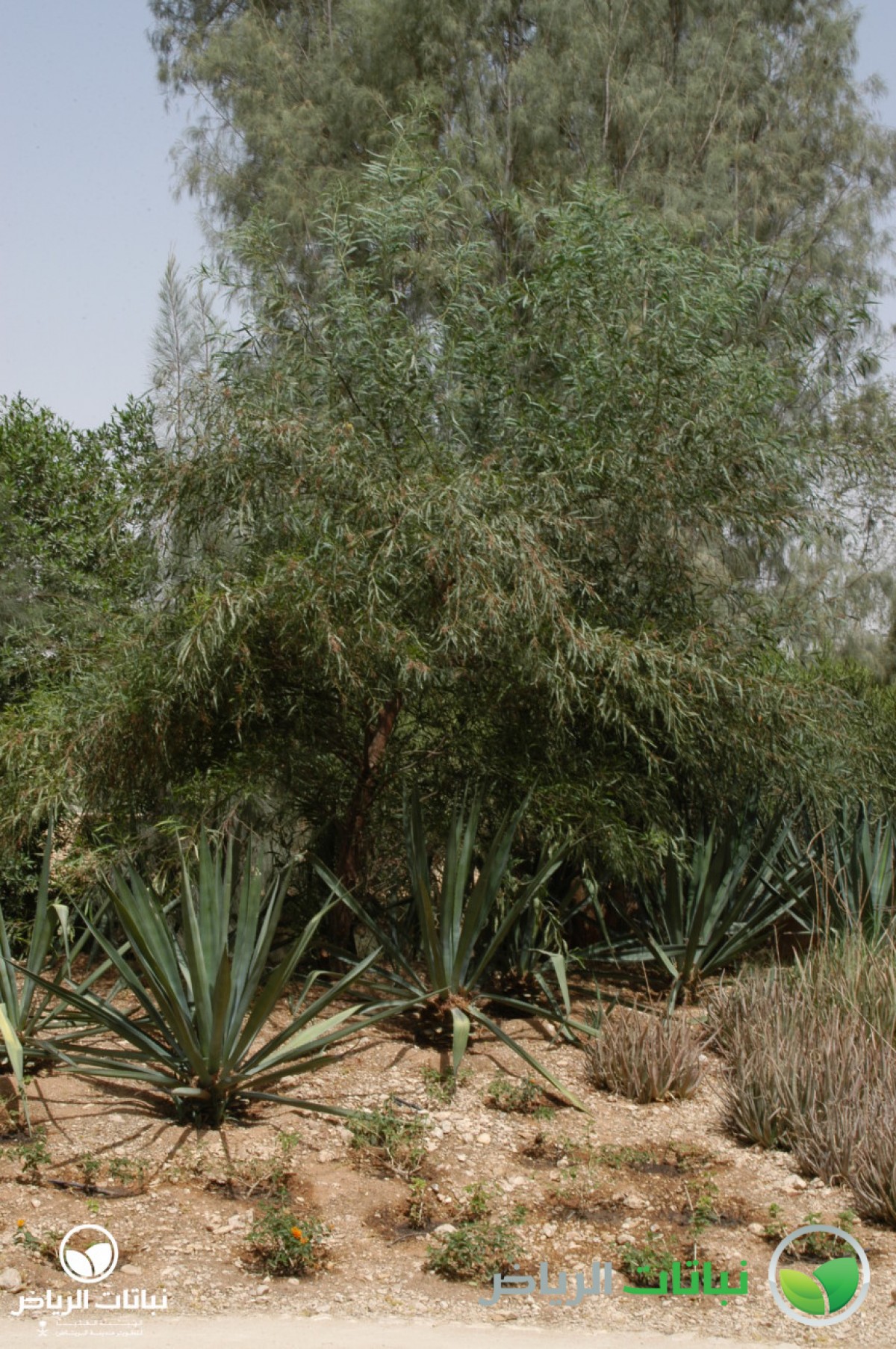
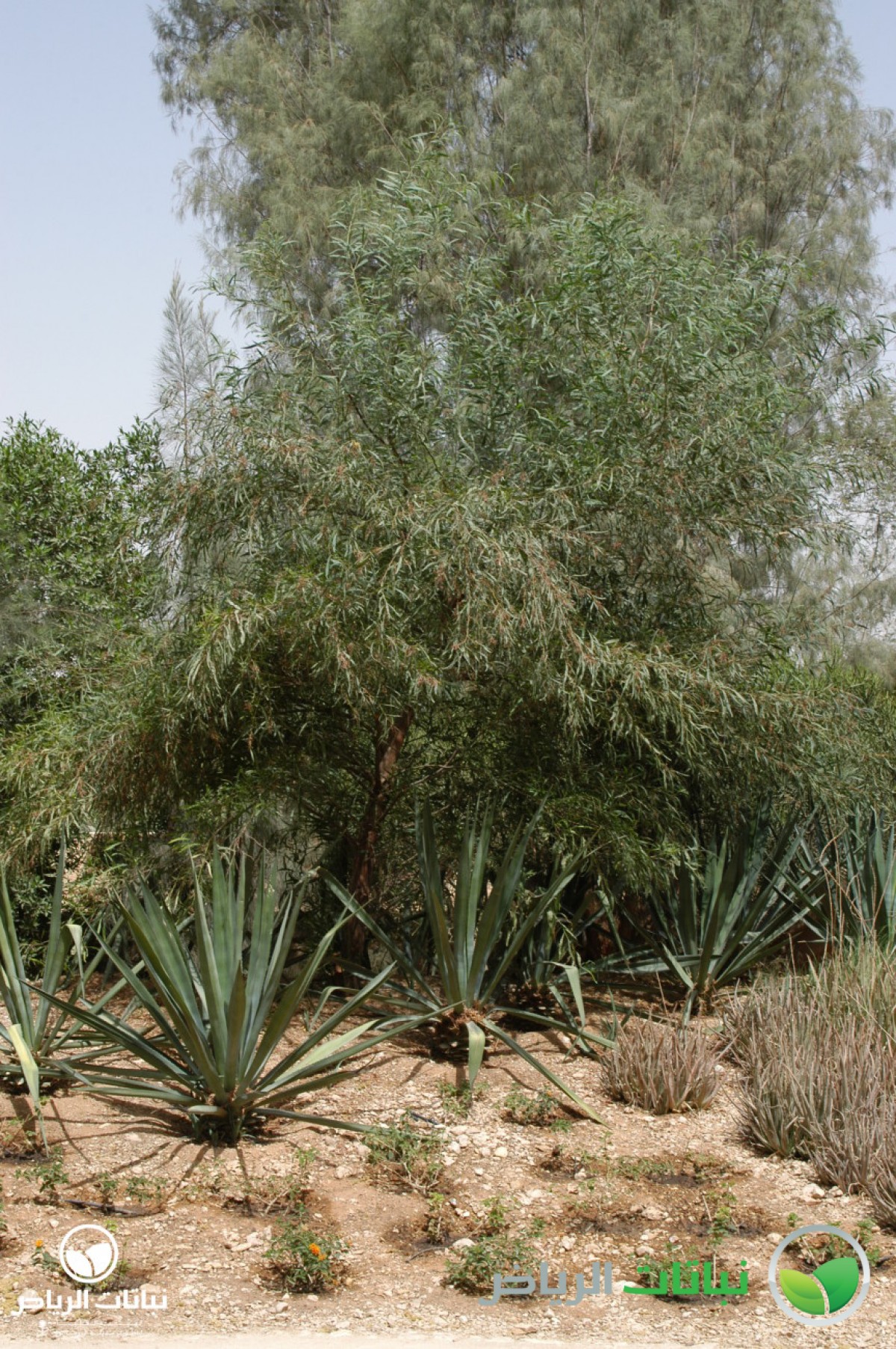
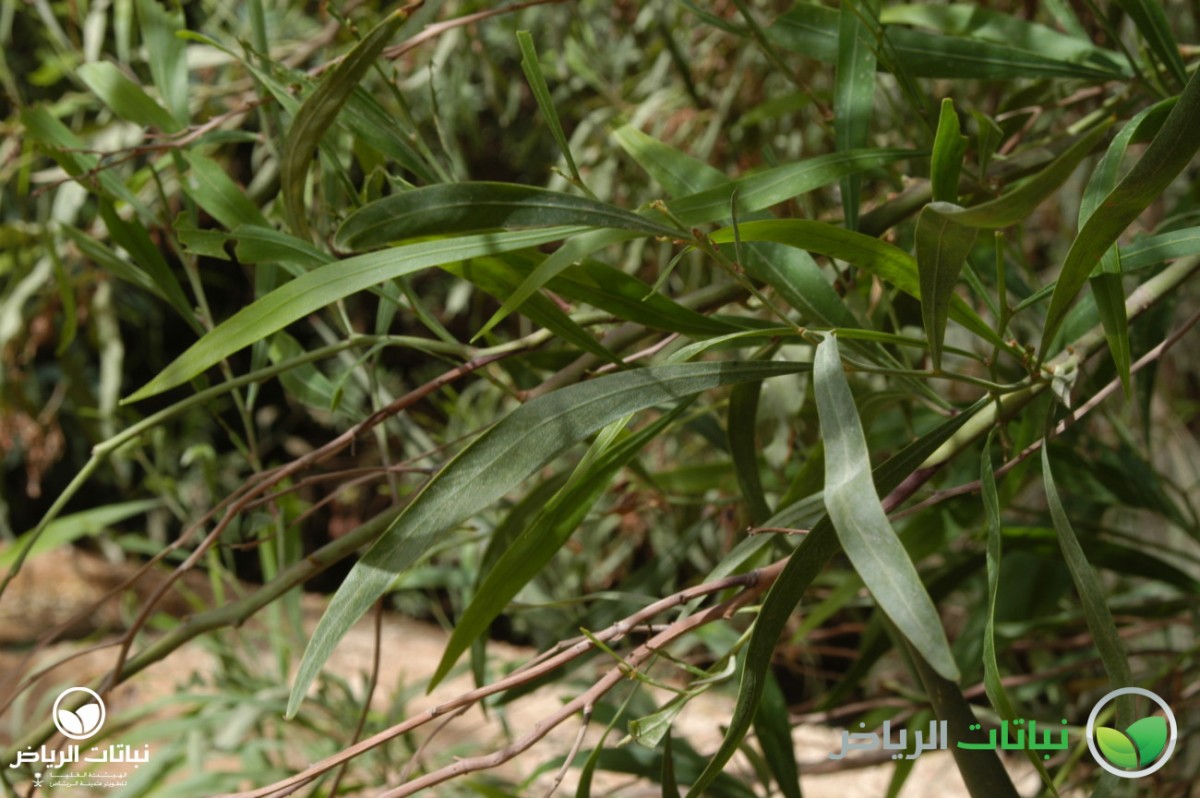
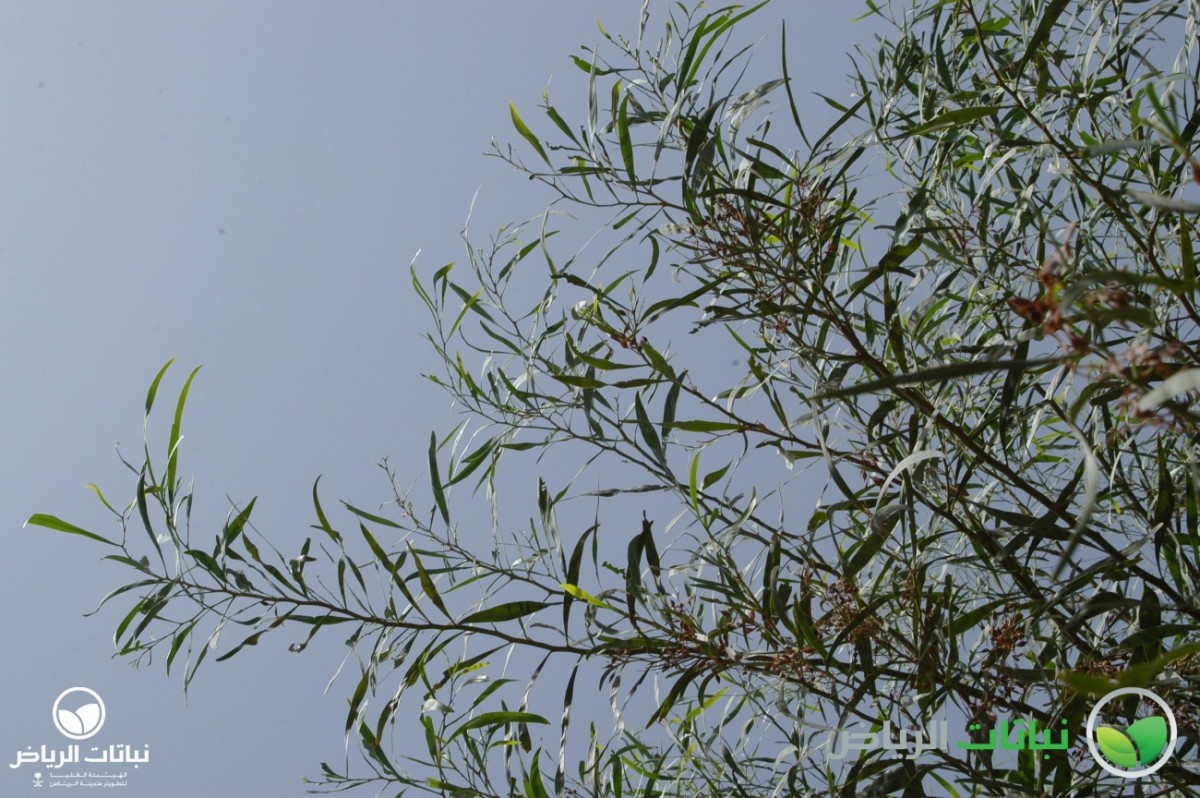
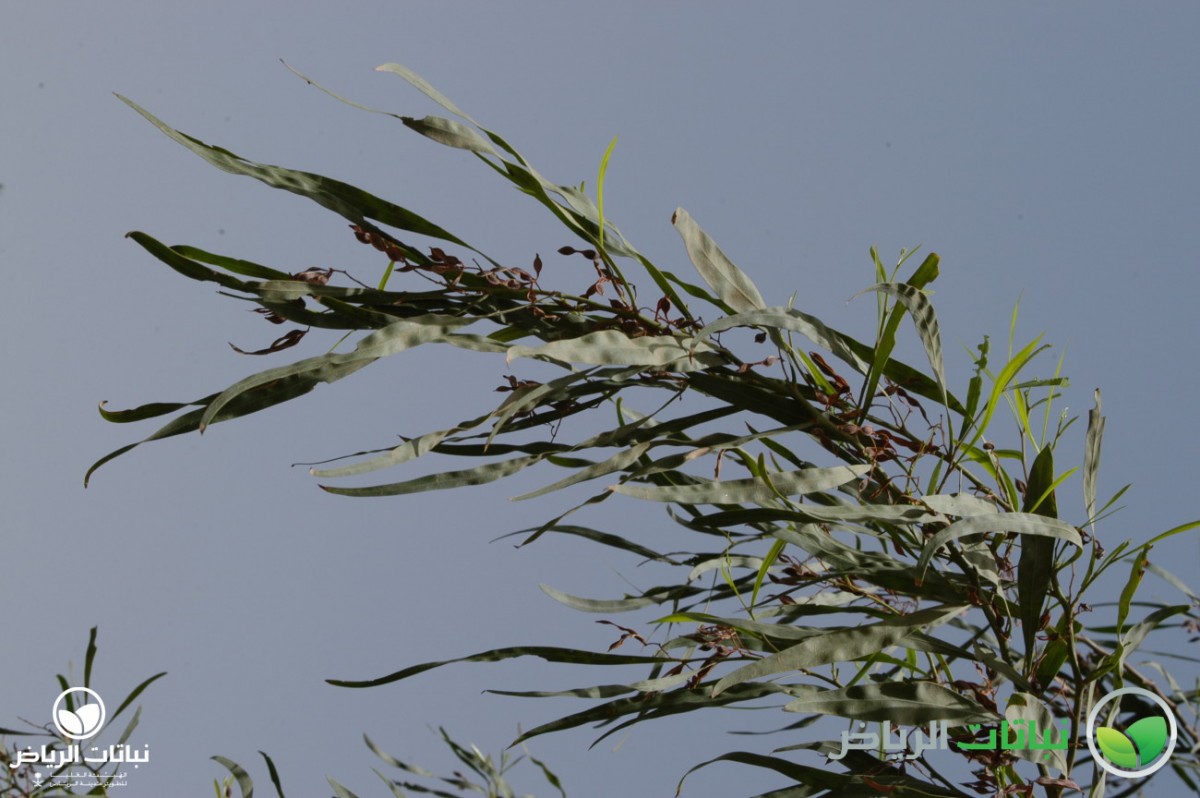
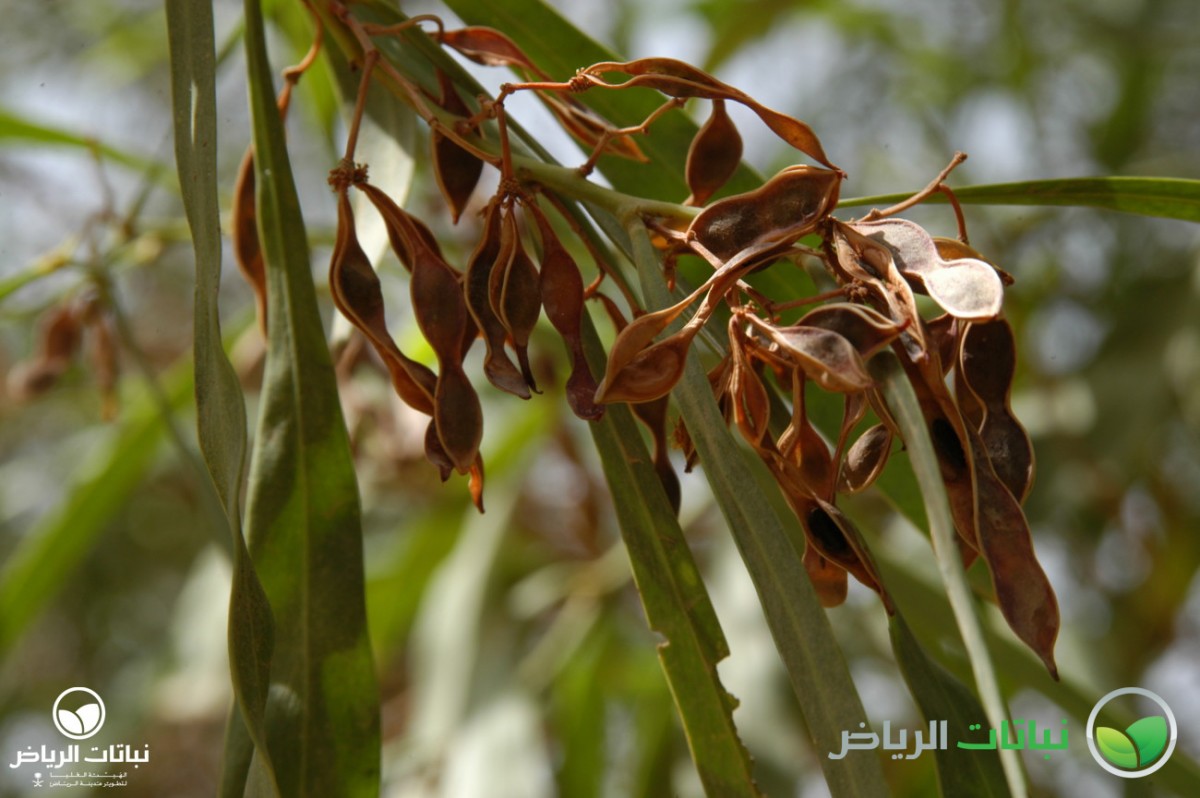
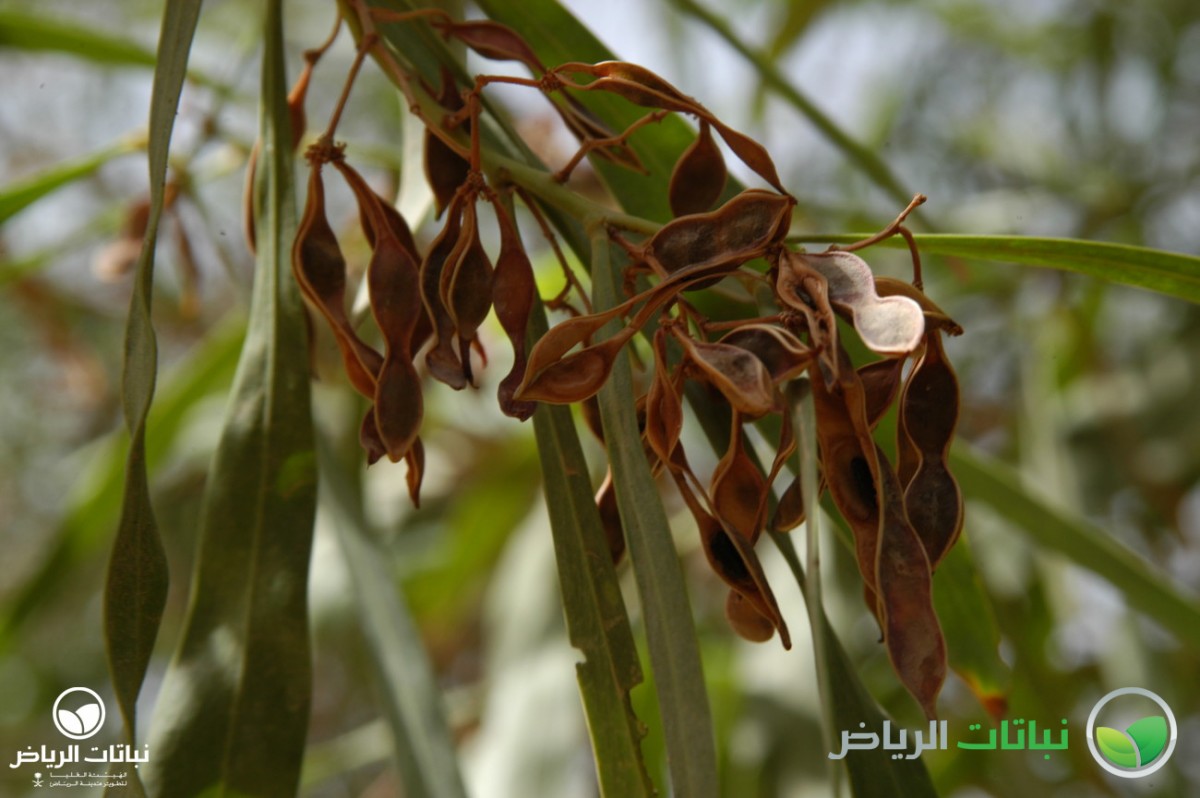
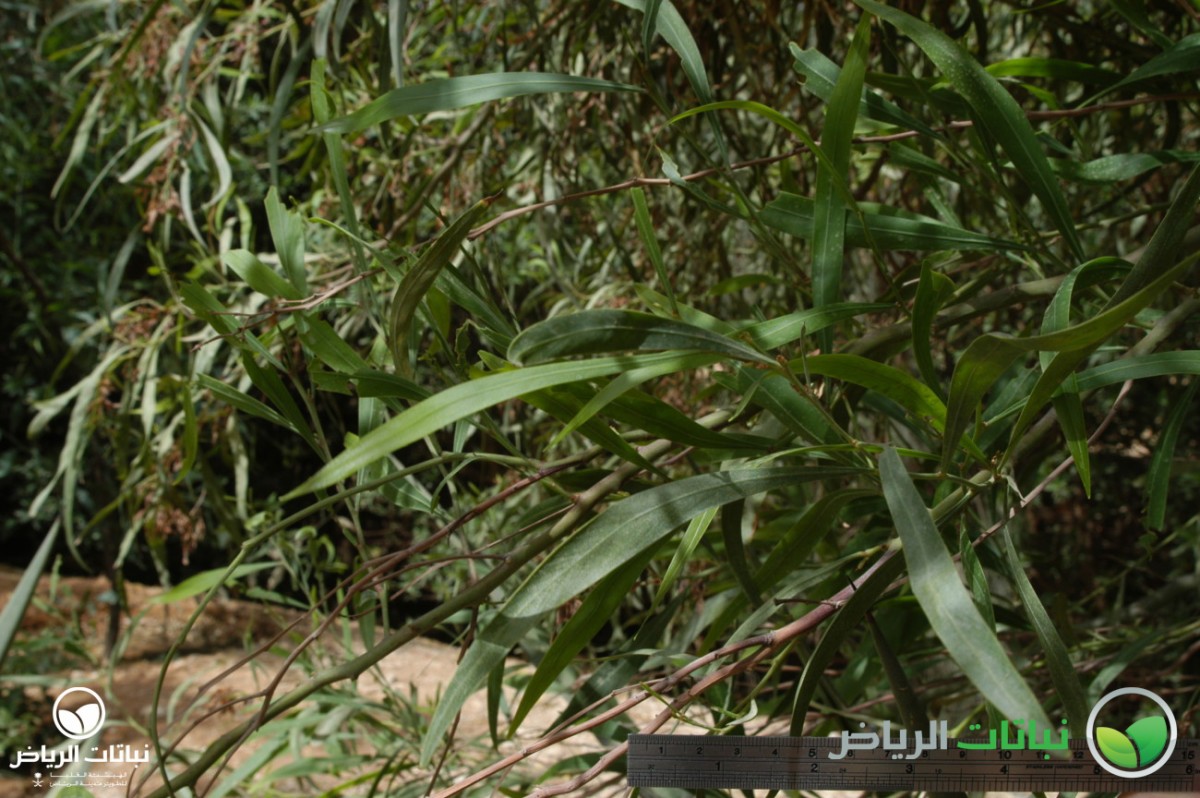
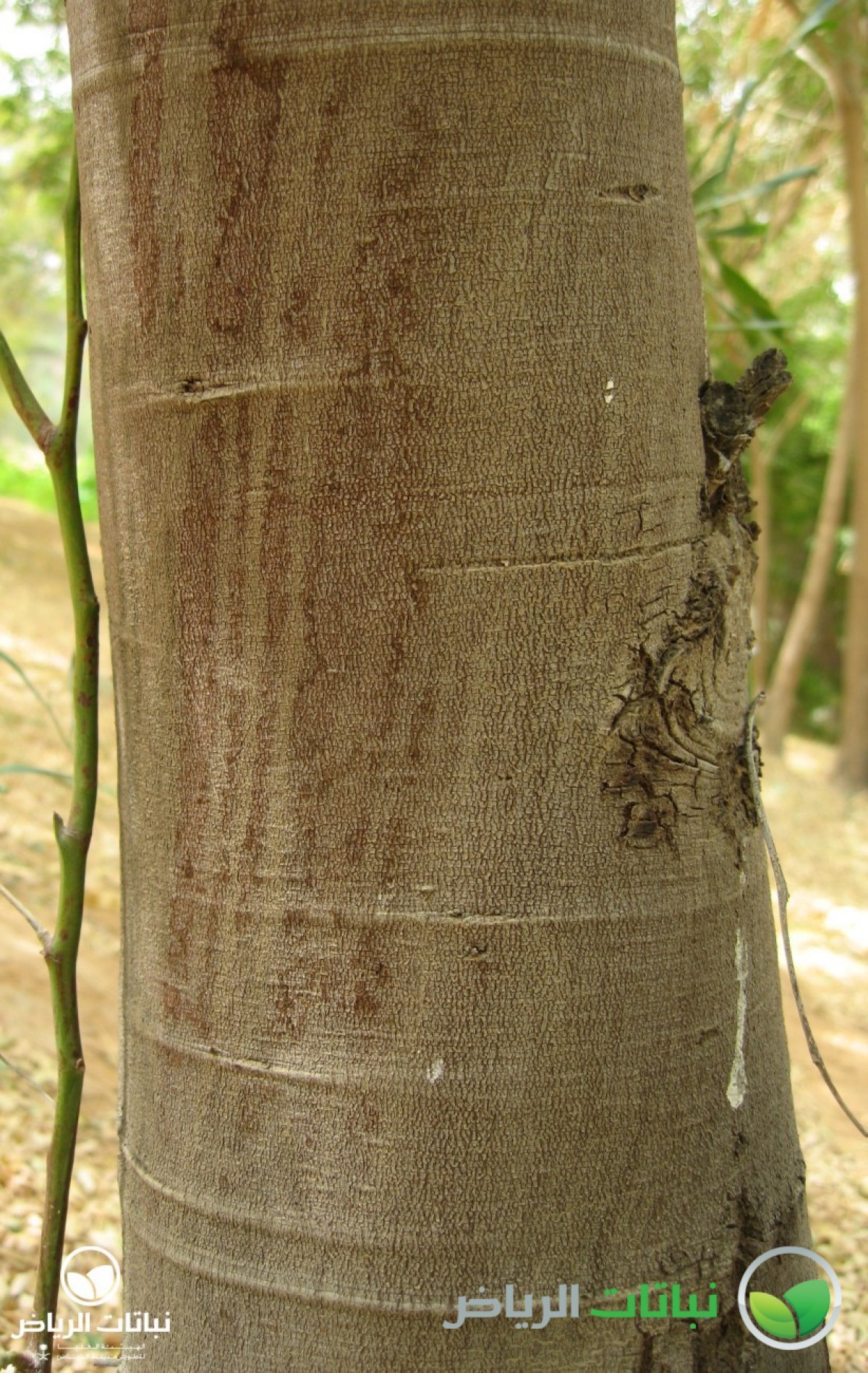
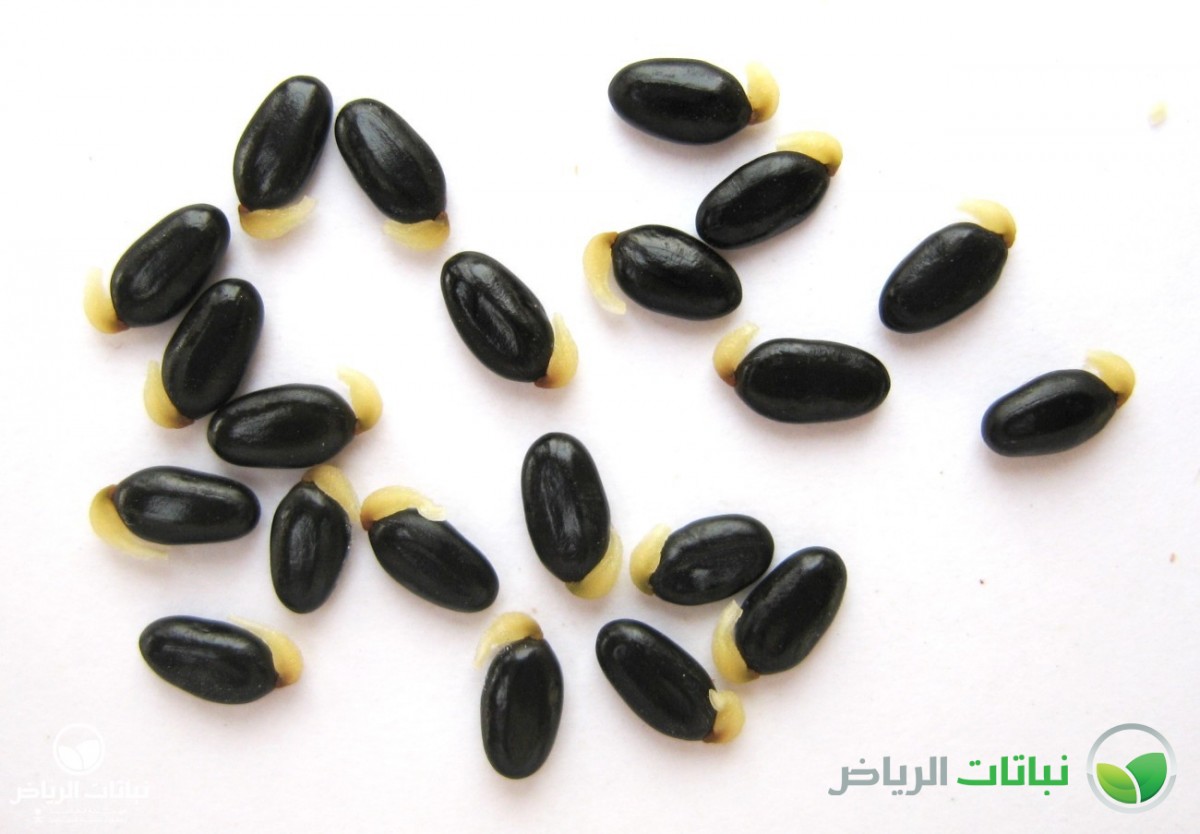
Often referred to as Acacia cyanophylla, its synonym, and commonly known by various names including Golden Wattle and Blue-Leafed Wattle, this tree is native to Australia. It may have been introduced into Saudi Arabia as recently as the nineteen-sixties for use in wind breaks and sand dune stabilization and was known first as cyanophylla, which describes its blue-green leaves. Very vigorous when young, it also has the ability to fix nitrogen with its roots. In some countries, however, it has become very invasive owing to the fact that its large quantities of seeds germinate easily, and that it regenerates after cutting. A. saligna grows rapidly into a small, leafy, evergreen tree with a rounded shape. It can be a multi-trunked specimen or have a single, short trunk. Its graceful, arching branches and attractive, long leaves or phyllodes give it a weeping habit. Large, bright-yellow, spherical flower heads appear in early spring and late winter, decorating the branch tips. Its seeds are stored in the nests of ants. After the ants have eaten the seed stalks, the seeds germinate. Moderately frost-tolerant and accepting most soils, it is a versatile tree that can be used as an eye-catcher in a garden, for screening, dust and wind control or planting in wide road medians. Apart from occasional pruning and good staking, it is easily maintained, although heavy root suckering can be a problem and saplings must be removed at an early stage. It can be used as a reserve of high-quality forage for use during drought, or as a mulch.